




NASA Tests Alternative Jet Engine Fuels
For the second time in as many years, NASA researchers are using a DC-8 and other aircraft to study the effects on emissions and contrail formation of burning alternative fuels in jet engines. The Alternative Fuel Effects on Contrails and Cruise Emissions (ACCESS II) project involves flying NASA's DC-8 as high as 40,000 feet while its four CFM56 engines burn either JP-8 jet fuel, or a 50-50 blend of JP-8 and renewable alternative fuel of hydro-processed esters and fatty acids produced from camelina plant oil.
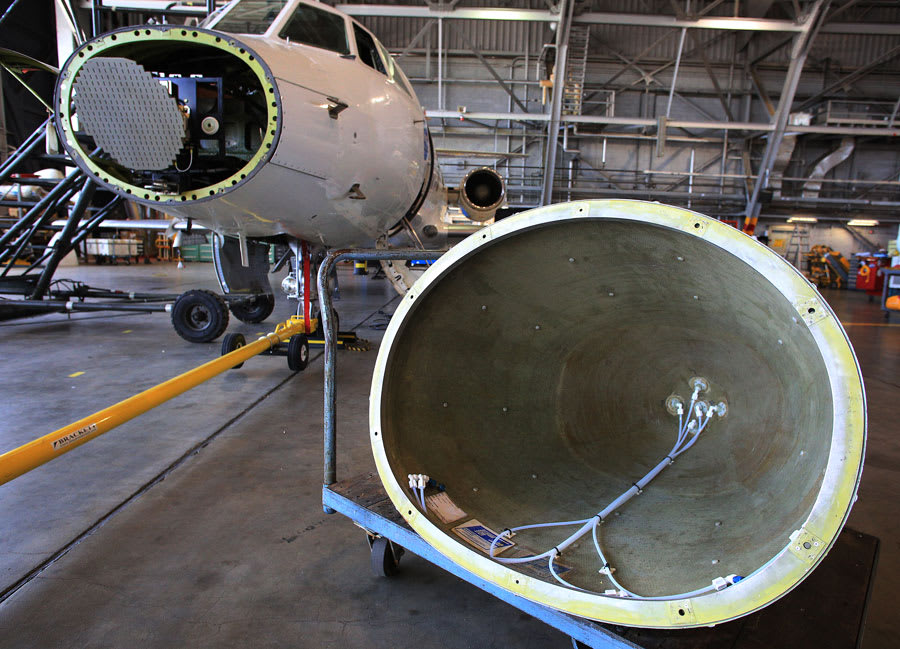
Meanwhile, a trio of instrumented research aircraft will take turns flying behind the DC-8 at distances ranging from 300 feet to more than 10 miles in order to take measurements on emissions, and to study contrail formation as the different fuels are used. Measurements taken during ACCESS I in 2013 of the burned blended fuel showed soot emissions were reduced by 40 to 60 percent compared to JP-8 fuel by itself.
An addition to this year's ACCESS II is the plan to fly the research aircraft into the turbulent, air that streams for miles behind the DC-8's wingtips. Analysis and computer simulations were run to provide the pilots with guidance in selecting trailing distances where it's safe to fly through the vortices — which occur with every aircraft — to collect observations of exhaust composition and contrail characteristics. The goal is to collect data and sample the number particles and amount of carbon dioxide trapped within the vortices and compare that to the amount of fuel burned.
More From SAE Media Group





Aerospace INSIDER
NASA Takes Aviation Research to the ‘Max’
Tech Briefs
Products of Tomorrow
Aerospace INSIDER
Why Hybrid-Electric is a Key Solution for Decarbonizing Aviation

Aerospace INSIDER
Air Force Pioneers the Future of Synthetic Jet Fuel
Tech Briefs
Fuel Cell Boosts Electric-Powered Vehicles
Aerospace & Defense Tech Briefs
Zero-Emissions Electric Aircraft: Theory vs Reality
Automotive Engineering
The Electrofuels That Reduce Amazon’s Fleet Emissions
Automotive Engineering
SAE International Releases New Process for Measuring Aerosols in Aircraft Exhaust
Automotive Engineering
E-Fueling for the Future
Tech Briefs
Lignin-Based Jet Fuel Packs More Power
NASA Spinoff
Catalytic Converters Maintain Air Quality in Mines

Automotive Engineering
WCX 2025: Dumarey Launches U.S. Subsidiary for Better ICEs
Tech Briefs
Winglet with Injected Flow

Off-Highway Engineering
New Biodiesel Strains Offer Measurable Gains
Tech Briefs
Magazine Archives
Aerospace & Defense Tech Briefs
Orbex Debuts Innovative Smallsat Launch Vehicle
Tech Briefs
Process Converts Ethanol to Jet Fuel
Off-Highway Engineering
Zeroing in on Zero-Carbon Fuels
Aerospace & Defense Tech Briefs
Industry Invited to Participate in AeroTech Aerospace and Defense Technical Program
Aerospace INSIDER
Sustainable Aviation Fuel Can Reduce Contrails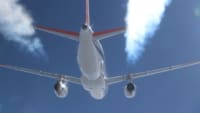
Automotive Engineering
Geopolitics: The Other Existential Threat
Top Stories
NewsRF & Microwave Electronics
 Microvision Aquires Luminar, Plans Relationship Restoration, Multi-industry Push
INSIDERAerospace
 A Next Generation Helmet System for Navy Pilots
INSIDERDesign
 New Raytheon and Lockheed Martin Agreements Expand Missile Defense Production
INSIDERMaterials
 How Airbus is Using w-DED to 3D Print Larger Titanium Airplane Parts
NewsPower
 Ford Announces 48-Volt Architecture for Future Electric Truck
ArticlesAR/AI

Webcasts
Electronics & Computers
 Cooling a New Generation of Aerospace and Defense Embedded...
Automotive
 Battery Abuse Testing: Pushing to Failure
Power
 A FREE Two-Day Event Dedicated to Connected Mobility
Unmanned Systems
 Quiet, Please: NVH Improvement Opportunities in the Early Design Cycle
Automotive
 Advantages of Smart Power Distribution Unit Design for Automotive &...
Energy
 Sesame Solar's Nanogrid Tech Promises Major Gains in Drone Endurance