




Volvo Penta Announces Latest Industrial Genset Engine
Volvo Penta’s G17 natural gas industrial genset engine brings yet another option to the table for clean power generation.
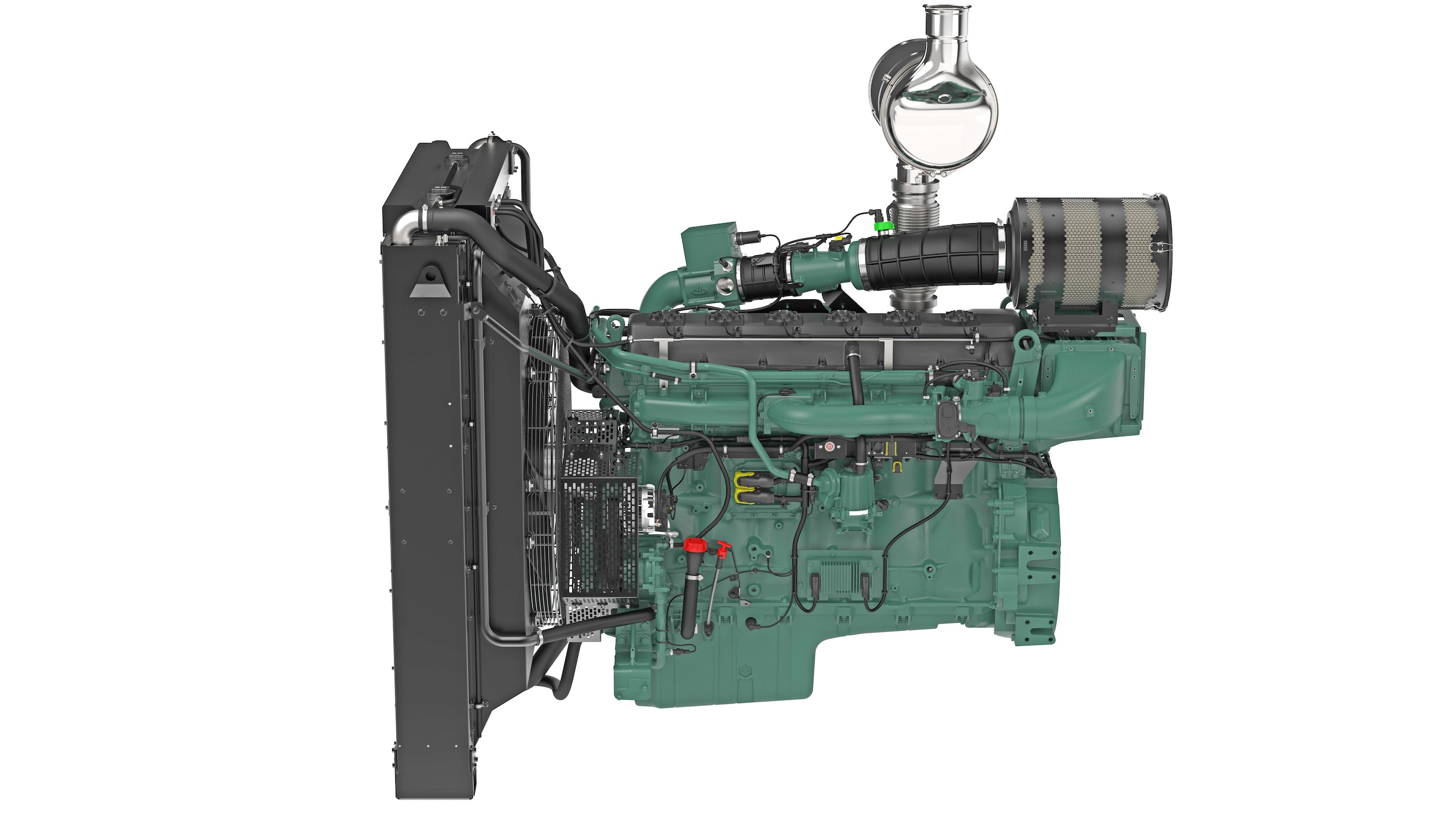
Volvo Penta has announced the latest addition to its stationary power generation portfolio with the introduction of the G17 natural gas engine. The G17 is the CNG counterpart to Volvo Penta’s D17 diesel-fueled industrial genset engine. Volvo states that the G17 represents a significant step forward in the company’s path to zero emissions by delivering fuel flexibility and scalable performance.
“The energy transition isn’t one-size-fits-all. It requires multiple technologies and fuel pathways working in parallel,” said Kristian Vekas, product manager for industrial power generation at Volvo Penta. “The G17 expands our power generation portfolio with a gas option engineered to meet rising global demand for dependable, lower-emission solutions that are backed by the strength of the Volvo Group and our global support network.”
According to Volvo, the G17 is built on the same platform as the diesel-powered D17 engine. Like its D17 cousin, the G17 is a 17-liter, 6-cylinder design. However, the spark-ignited G17 can operate on both pipeline-quality, conventional natural gas and renewable natural gas (RNG).
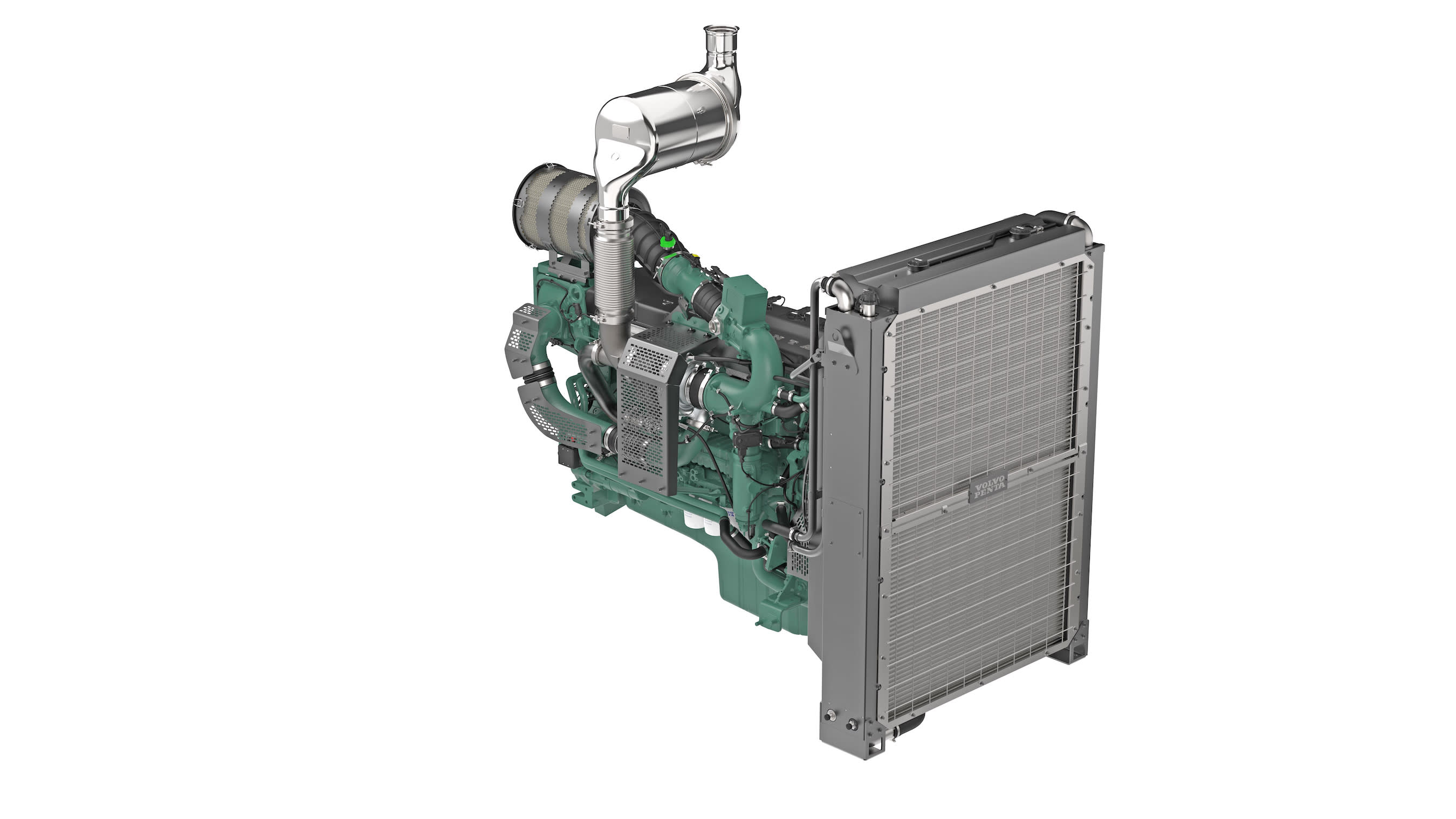
The overall footprint and cooling system design of the G17 is reportedly similar to the D16 and D17 engines, which simplifies installation and retrofit needs. The G17’s streamlined component layout and fewer cylinders improve serviceability and, according to Volvo, contribute to reduced total cost of ownership over the engine’s lifecycle.
Volvo states that the G17’s flexible fueling options allow operators to connect directly to existing gas infrastructure, simplifying installation and eliminating the need for additional fuel-conditioning systems.
“The G17 is engineered to deliver lower emissions without trade-offs,” Vekas said. “Its flexible fuel capability helps reduce carbon intensity while maintaining the power density, responsiveness and durability customers expect from Volvo Penta’s heavy-duty platform.”
The G17 carries a 60 Hz power output rating of 444 kWe at 1800 rpm for prime power applications with a standby power rating of 488 kWe. It is also certified to meet current U.S. EPA Stationary standards thanks to a low-pressure exhaust gas recirculation (EGR) system as well as a high-efficiency three-way catalyst.
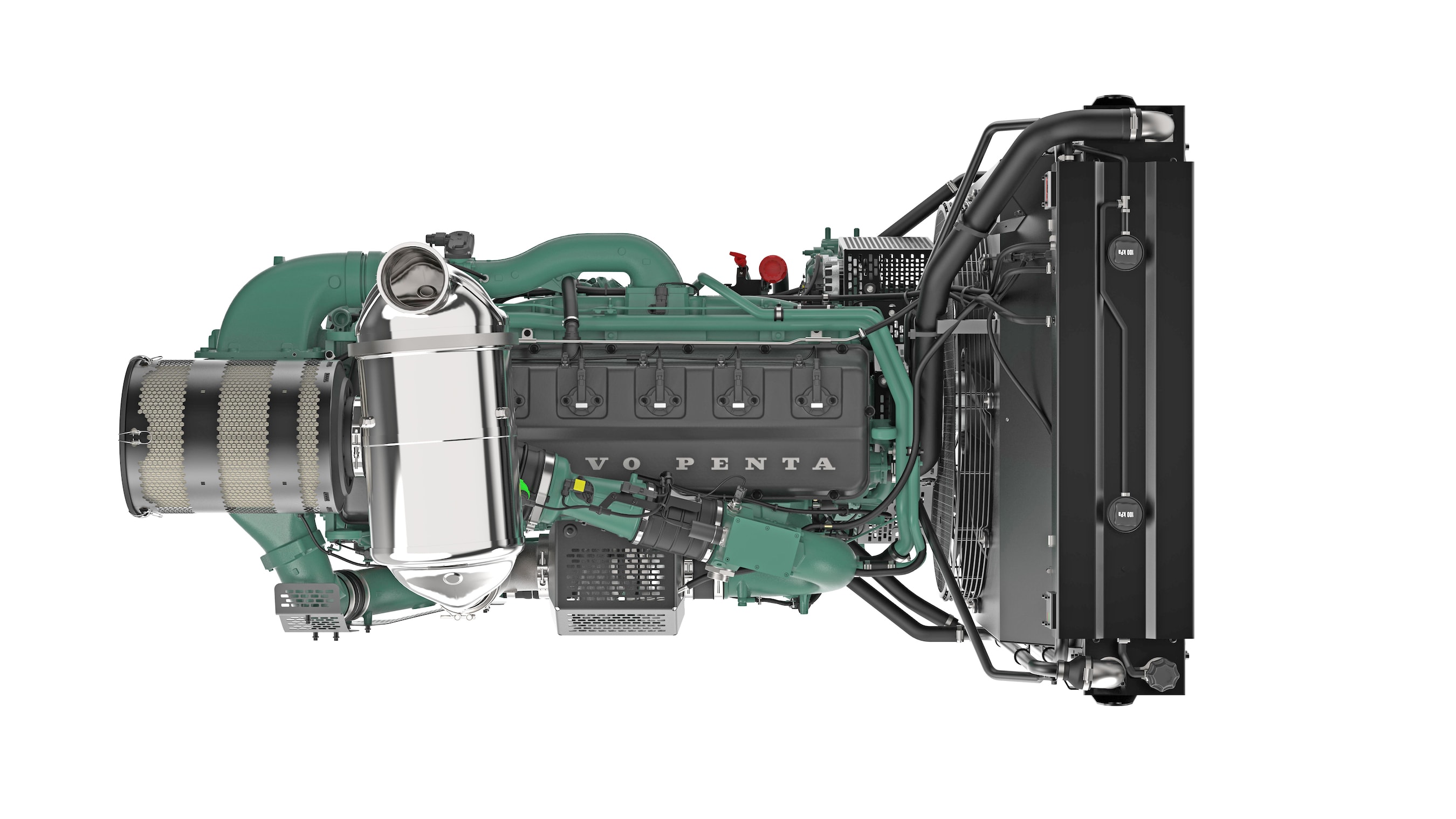
According to Volvo, the G17’s stackable platform is suited for space-contained environments such as data centers. The G17 engine can also be integrated into broader energy strategies that combine internal combustion engines with renewable fuels and battery systems for energy storage.
“With the G17 gas engine, Volvo Penta is expanding its ability to deliver integrated energy solutions that combine proven technology, emerging fuel pathways and strong service,” Vekas said. “This approach gives customers a reliable, scalable foundation to progress with their long-term energy goals.”
More From SAE Media Group
Off-Highway Engineering
Natural Gas Infrastructure Is Scaling Fast for HD Fleets
Off-Highway Engineering
Propane Powers Ahead for Medium Duty Sector
Off-Highway Engineering
Hexagon Bullish on CNG for Long-Haul Trucks
Off-Highway Engineering
Hydrogen’s Humming in Power Generation
Off-Highway Engineering
The Future of Carbon-Neutral Fuels for Heavy-Duty Machines
Off-Highway Engineering
A Diversified Path for Sustainable Fleets
Off-Highway Engineering
Hyliion, Cummins Collaborate on Electric and NG Range-Extender
Off-Highway Engineering
Allison’s Now Open for Hydrogen Testing
Off-Highway Engineering
Combustion Engines Carry on in Construction
Tech Briefs
Making Hydrogen Power a Practical Proposition
Off-Highway Engineering
Many ICE Paths Lead to Reduced Emissions
Off-Highway Engineering
Smart Engineering for Sustainability
Off-Highway Engineering
Volvo’s Ambitious Goal: 50% Zero-Emission Trucks by 2030
Battery & Electrification Technology
GM Readies Fuel Cells for Commercial Deployment
Off-Highway Engineering
Bosch Begins Production of Fuel-Cell Power Modules for Nikola
Automotive Engineering
Hydrogen Storage in a Box!
Off-Highway Engineering
Bullish on Biomethane
Off-Highway Engineering
Electrification and the Other “E” – E-Fuels
Off-Highway Engineering
Neste Targets Hard-To-Electrify Vehicles for Renewable Diesel
Off-Highway Engineering
Freudenberg to Deliver Batteries, Fuel-Cell Stacks
Off-Highway Engineering
Hydrogen Lightens the Load for Heavy Trucks
Off-Highway Engineering
Hydrogen ‘Inevitable’ for Commercial Vehicles
Off-Highway Engineering
Volvo Charts Its Path Towards Zero Emissions
Off-Highway Engineering
Westport Awarded LNG Development Program
Off-Highway Engineering
Hydrogen Generates BUZZ in Power Generation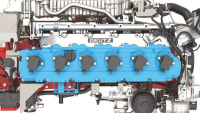
Automotive Engineering
New Chemistry Aims to Slash Fuel-Cell PGM Costs by 50%
Off-Highway Engineering
Emerson Supports Scalability of Fuel Cell Systems
Off-Highway Engineering
FirstElement Opens America’s First High-Volume, Fast-Fill Hydrogen Station for HD Trucks
Off-Highway Engineering
ACT Expo: Honda Shows Class 8 Hydrogen Fuel-Cell Truck Concept
Off-Highway Engineering
Commercial-Truck EV Fleets Slow to Grow
Top Stories
INSIDERMaterials
 How Airbus is Using w-DED to 3D Print Larger Titanium Airplane Parts
NewsAutomotive
 Microvision Aquires Luminar, Plans Relationship Restoration, Multi-industry Push
INSIDERWearables
 A Next Generation Helmet System for Navy Pilots
INSIDERWeapons Systems
 New Raytheon and Lockheed Martin Agreements Expand Missile Defense Production
ArticlesTransportation
 Accelerating Down the Road to Autonomy
NewsAutomotive
 Ford Announces 48-Volt Architecture for Future Electric Truck
Webcasts
Electronics & Computers
 Advantages of Smart Power Distribution Unit Design for Automotive &...
Automotive
 Quiet, Please: NVH Improvement Opportunities in the Early Design...
Electronics & Computers
 Cooling a New Generation of Aerospace and Defense Embedded...
Power
 Battery Abuse Testing: Pushing to Failure
AR/AI
 A FREE Two-Day Event Dedicated to Connected Mobility
Energy
 Sesame Solar's Nanogrid Tech Promises Major Gains in Drone Endurance