




SpaceX to Develop ISS Deorbit Vehicle for NASA
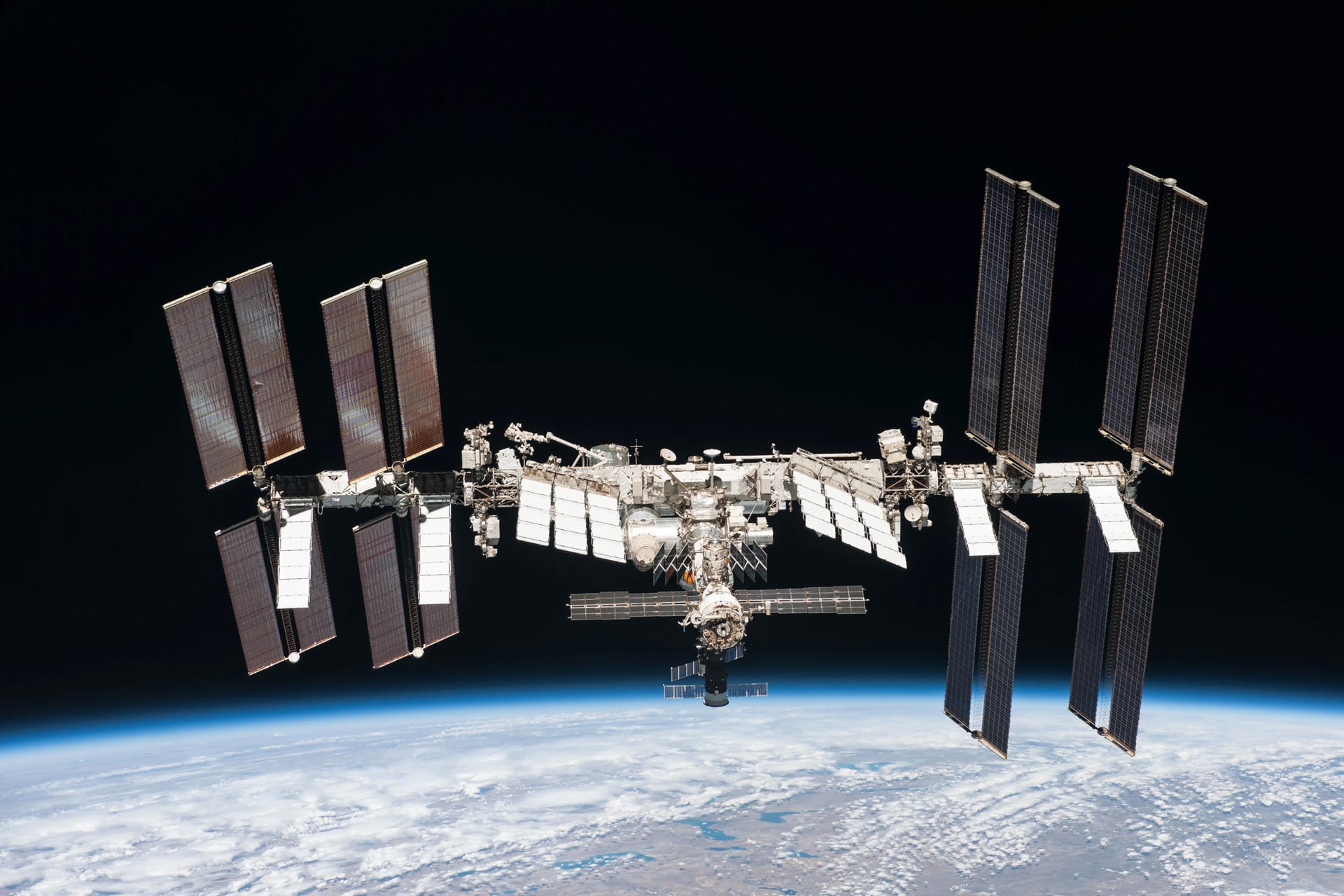
NASA has selected SpaceX to develop and deliver the U.S. Deorbit Vehicle that will provide the capability to deorbit the International Space Station (ISS) and ensure avoidance of risk to populated areas.
“Selecting a U.S. Deorbit Vehicle for the International Space Station will help NASA and its international partners ensure a safe and responsible transition in low Earth orbit at the end of station operations. This decision also supports NASA’s plans for future commercial destinations and allows for the continued use of space near Earth,” said Ken Bowersox, Associate Administrator for Space Operations Mission Directorate at NASA Headquarters in Washington. “The orbital laboratory remains a blueprint for science, exploration, and partnerships in space for the benefit of all.”
While the company will develop the deorbit spacecraft, NASA will take ownership after development and operate it throughout its mission. Along with the space station, it is expected to destructively breakup as part of the re-entry process.
Since 1998, five space agencies, Canadian Space Agency (CSA), European Space Agency (ESA), Japan Aerospace Exploration Agency (JAXA), National Aeronautics and Space Administration (NASA), and State Space Corporation Roscosmos, have operated the International Space Station with each agency responsible for managing and controlling the hardware it provides. The station was designed to be interdependent and relies on contributions from across the partnership to function. The United States, Japan, Canada, and the participating countries of ESA have committed to operating the station through 2030. Russia has committed to continued station operations through at least 2028. The safe deorbit of the International Space Station is the responsibility of all five space agencies.
The single-award contract has a total potential value of $843 million. The launch service for the U.S. Deorbit Vehicle will be a future procurement.
In its 24th year of continuously crewed operations, the space station is a unique scientific platform where crew members conduct experiments across multiple disciplines of research, including Earth and space science, biology, human physiology, physical sciences, and technology demonstrations not possible on Earth. Crews living aboard station are the hands of thousands of researchers on the ground having conducted more than 3,300 experiments in microgravity. Station is the cornerstone of space commerce, from commercial crew and cargo partnerships to commercial research and national lab research, and lessons learned aboard International Space Station are helping to pass the torch to future commercial stations.
As NASA transitions to commercially owned space destinations closer to home, the SpaceX contract starts preparation for the safe and responsible deorbit of the ISS in a controlled manner after the end of its operational life in 2030.
More From SAE Media Group
Aerospace INSIDER
ESA’s Future Low Earth Orbit Cargo Return Service Spacecraft

NASA Spinoff
Industry Opens a New Door to Space
Off-Highway Engineering
NASA Opens the International Space Station for Commercial Business
NASA Spinoff
Commercial Sales Flow from NASA Valves

Aerospace & Defense Tech Briefs
Space Tango Takes Its Next Steps in Orbital Manufacturing
Tech Briefs
A Next-Generation Space Suit for Artemis III
Aerospace INSIDER
Assembly and Testing Milestone for Artemis II Spacecraft

Tech Briefs
NASA Brings Manufacturing Experiments to Space
NASA Spinoff
Private Lessons for Private Spaceflight
Aerospace & Defense Tech Briefs
NASA Invites Proposal from Space-Based Large-Scale 3D-Printing Company
Tech Briefs
A Turning Point in Space Exploration

Aerospace INSIDER
NASA Seeks Space Technologies for Suborbital and Orbital Flight Tests
Aerospace & Defense Tech Briefs
NASA Backs Commercialization of Human Spaceflight, Commercial Marketplace in LEO
Aerospace INSIDER
Three Companies to Build New Multi-Orbit Logistics Prototype Spacecraft
Aerospace & Defense Tech Briefs
FADA-CATEC Uses 3D Printing to Slim down the CHEOPS Satellite
Aerospace & Defense Tech Briefs
First Orion European Space Module Delivered

Tech Briefs
7 Space Sustainability Startups

Top Stories
NewsRF & Microwave Electronics
 Microvision Aquires Luminar, Plans Relationship Restoration, Multi-industry Push
INSIDERAerospace
 A Next Generation Helmet System for Navy Pilots
INSIDERDesign
 New Raytheon and Lockheed Martin Agreements Expand Missile Defense Production
INSIDERMaterials
 How Airbus is Using w-DED to 3D Print Larger Titanium Airplane Parts
NewsPower
 Ford Announces 48-Volt Architecture for Future Electric Truck
ArticlesAR/AI

Webcasts
Electronics & Computers
 Cooling a New Generation of Aerospace and Defense Embedded...
Automotive
 Battery Abuse Testing: Pushing to Failure
Power
 A FREE Two-Day Event Dedicated to Connected Mobility
Unmanned Systems
 Quiet, Please: NVH Improvement Opportunities in the Early Design Cycle
Automotive
 Advantages of Smart Power Distribution Unit Design for Automotive &...
Energy
 Sesame Solar's Nanogrid Tech Promises Major Gains in Drone Endurance