




EV, Give Me Heat!
A formidable mix of HVAC systems suppliers have made automotive heat-pump R&D a priority.
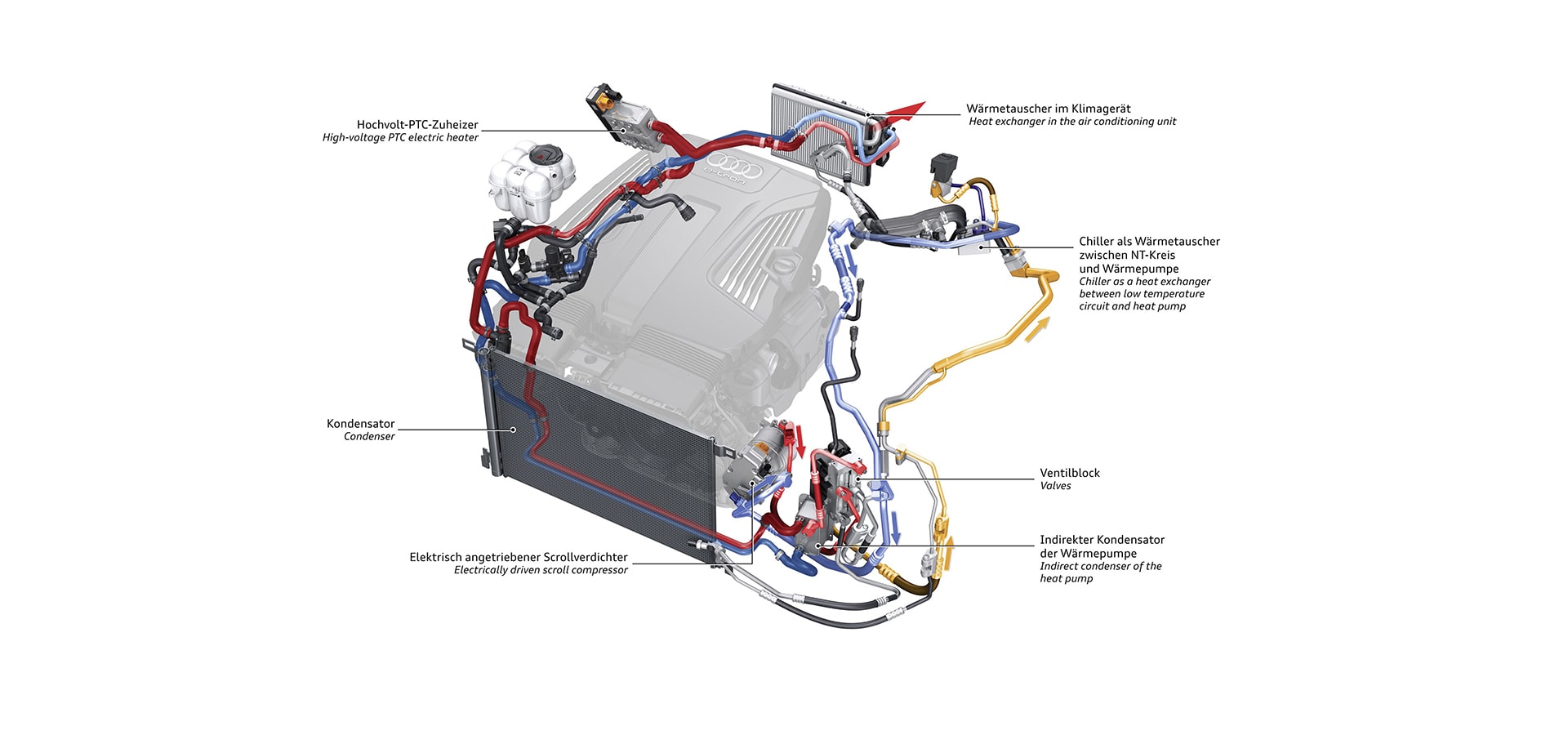
Cabin heating and cooling, and their negative impact on vehicle efficiency and range, are among the challenges still to be solved in battery-electric vehicles. For drivers and passengers, interior comfort — being warm when it’s cold and cool when it’s hot outside — is simply expected of any vehicle, regardless of its tailpipe-emissions profile. Pushing the HVAC button in an EV, though, elicits second thoughts such as, “If I turn on the heat, will I have enough range to get home?”
Air-conditioning use in hot ambient temperatures typically causes a modest loss of EV range. But it’s the 30-40% drop in range in cold weather when the cabin heater is deployed that continues to challenge EVs’ ability to supplant ICE-powered vehicles, according to veteran SAE Media contributor Paul Weissler, an HVAC tech expert who sits on SAE’s standards committee. Such a range hit to an electric delivery van rated at 125-150 miles’ (201-241 km) range, for example, would leave it with only 75-90 miles (120-144 km) of operation before charging is needed. The problem is exacerbated as the mercury falls.
Fleet owners would find such a serious range drop to be a non-starter as they consider when and whether to go electric. Most passenger-vehicle owners won’t accept the tradeoffs in cabin comfort that come with doing away with the “heat engine.” The 14.8-gal. (56-L) gas tank in the new hybrid pickup sitting in my driveway holds the equivalent of 500 kilowatt-hours (kWh) of energy — roughly five times more energy onboard than can be stored by the extended-range battery in Ford’s Mustang Mach-E. In the often-overlooked cabin-heat/range metric, the most humble hybrids put even the most expensive EVs on the proverbial trailer.
As happened over the course of automotive air-conditioner history, EV cabin heating technology will improve dramatically and steadily. Early A/C compressors were so inefficient, with significant parasitic losses, that their use dragged a vehicle’s fuel efficiency down by as much as 20%. EV cabin heating can and must follow a similar path toward higher efficiency. Heat pumps are one potential solution.
Proven in residential and commercial buildings, heat pumps harvest waste heat energy, transferring it from cold space and releasing it to a warmer one. They act like a refrigerator in reverse. A formidable mix of HVAC systems suppliers including Bosch, Brose, Denso, Hanon Systems, Mahle, Mitsubishi Electric, Panasonic, Sanden, Valeo and Zhengzhou Guchen have made automotive heat-pump R&D a priority. Unique among OEMs, Tesla spun its heavily scrutinized “octovalve” heat pump from SpaceX technology. By my count, more than a dozen 2022-23 EVs are equipped with heat pumps. As SAE Media has reported, GM is engineering heat-pump technology into its Ultium-platform EVs.
But as SAE readers know, there’s rarely a free lunch in any design engineering or product-development solution. Heat pump performance is limited by slower refrigerant flow rates in low temperatures, forcing the switch to less-efficient resistance or PTC (positive temperature coefficient) heaters. Alternatives are being investigated. As our feature by Mr. Weissler details, Toyota and its HVAC partner Denso have developed a system incorporating liquid-gas separator technology that enables heat pump operation down to -10°C (14°F). It’s now in production on the 2023 Toyota BZ4X.
I expect a flurry of new HVAC approaches to enter production in the next few years, as engineering innovation and customer demand force solutions to one of vehicle electrification’s greatest compromises.
More From SAE Media Group
Automotive Engineering
Pumping EV Heat
Automotive Engineering
GM: Ultium Heat-Pump System Boosts EV Range, Reduces Charge Times
Off-Highway Engineering
Nikola Producing Battery-Electric Trucks, Fuel-Cell EVs Coming
Automotive Engineering
Sensing to Solve EV Thermal Challenges
Automotive Engineering
Balancing the ‘Dominos’ in EV Thermal Management
Off-Highway Engineering
Next Steps Toward Battery-Electric Class 8 Trucks
Automotive Engineering
EV Battery Tech Must Outpace Oil Industry Advances
Automotive Engineering
Studies Seek to Reduce Range Impact of EV Cabin Conditioning
Automotive Engineering
BEV Heat Pumps Recovering Cost Investments
Automotive Engineering
Tariff Challenges, EV Advances at Mobility 360
Automotive Engineering
Mercedes-Benz Concept CLA Class Updates VISION EQXX Tech for a 466-Mile EV
Automotive Engineering
BMW Reapproaches Hydrogen
Off-Highway Engineering
Quantron Launches 12-M Battery-Electric Bus; Fuel-Cell Variant to Follow
Automotive Engineering
BMW Plans Move to Structural Battery Packs and ‘46120’ Cells
Off-Highway Engineering
ZF, Freudenberg Developing Integrated Fuel-Cell and E-Drive System
Automotive Engineering
EVs Expand the Testing Envelope
Off-Highway Engineering
Lightning EMotors Adapts to Changing Electrification Market
Automotive Engineering
SAE Symposium Covers New Approaches in Thermal Management
Automotive Engineering
The Battle over EV Value-Add Has Begun
Automotive Engineering
Electric Radiant Heat for EV Cabin Comfort
Aerospace & Defense Tech Briefs
SAE International Extends Call for Abstracts, Seeks Submissions for AeroTech Conference
Automotive Engineering
Inner Secrets of the Toyota-Denso Heat Pump Revealed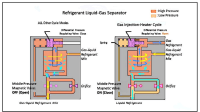
Automotive Engineering
AAA Studies Thermal Effects on EV Range
Automotive Engineering
Hydrogen Storage in a Box!
Off-Highway Engineering
Hydrogen ‘Inevitable’ for Commercial Vehicles
Off-Highway Engineering
Case Unveils Fully-Electric Backhoe Loader, Begins Delivery This Year
Off-Highway Engineering
Tesla Semi “Crushes” SuperTruck 2 in Real-World Efficiency
Off-Highway Engineering
Lightning EMotors Announces EChassis for Commercial EVs
Off-Highway Engineering
BEV Truck Manufacturers Charge Ahead at 2022 NTEA Show
Automotive Engineering
Stellantis Goes All-In on EVs
Top Stories
NewsRF & Microwave Electronics
 Microvision Aquires Luminar, Plans Relationship Restoration, Multi-industry Push
INSIDERAerospace
 A Next Generation Helmet System for Navy Pilots
INSIDERDesign
 New Raytheon and Lockheed Martin Agreements Expand Missile Defense Production
INSIDERMaterials
 How Airbus is Using w-DED to 3D Print Larger Titanium Airplane Parts
NewsPower
 Ford Announces 48-Volt Architecture for Future Electric Truck
ArticlesAR/AI

Webcasts
Electronics & Computers
 Cooling a New Generation of Aerospace and Defense Embedded...
Automotive
 Battery Abuse Testing: Pushing to Failure
Power
 A FREE Two-Day Event Dedicated to Connected Mobility
Unmanned Systems
 Quiet, Please: NVH Improvement Opportunities in the Early Design Cycle
Automotive
 Advantages of Smart Power Distribution Unit Design for Automotive &...
Energy
 Sesame Solar's Nanogrid Tech Promises Major Gains in Drone Endurance