




AI Digs Deeper
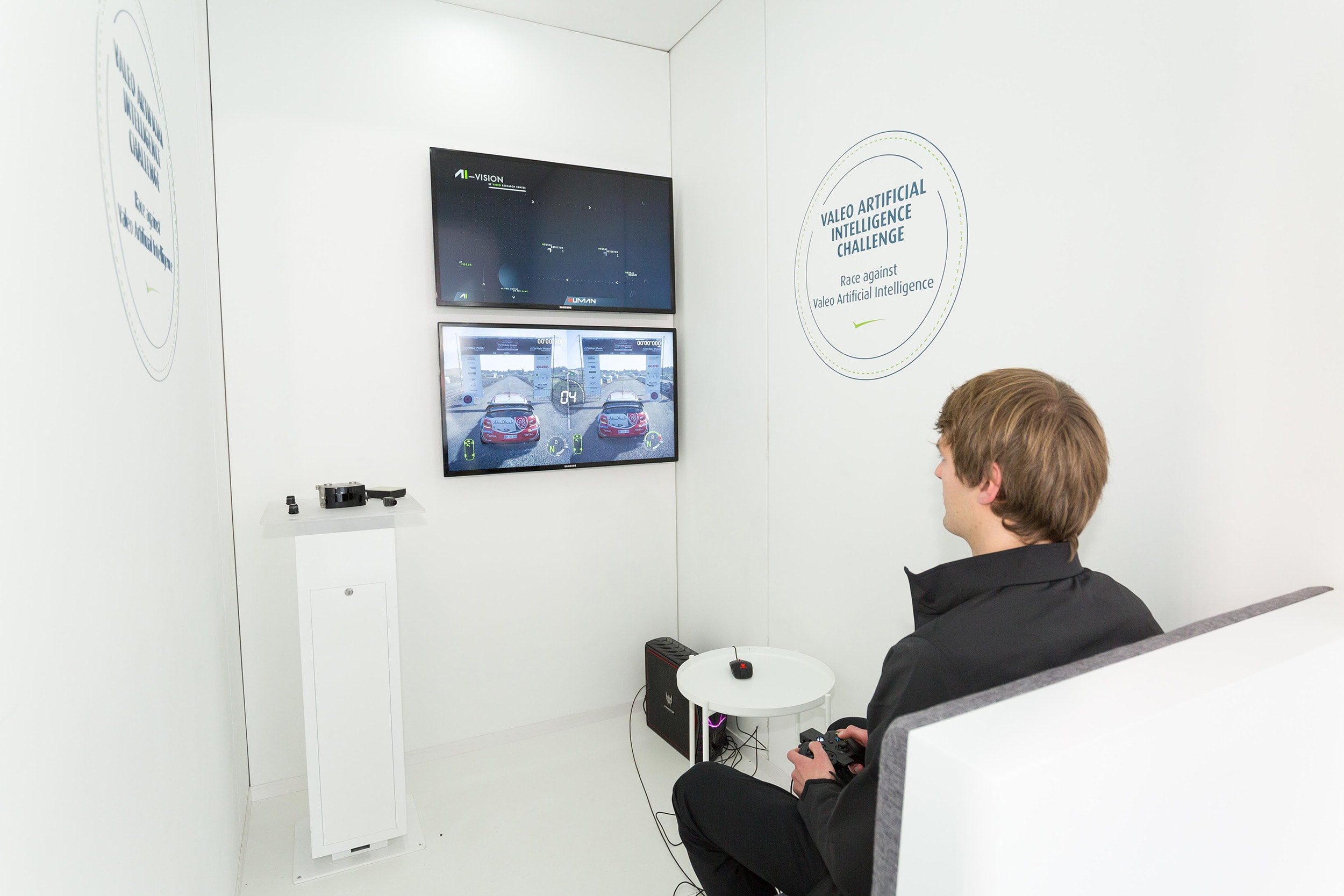
Artificial Intelligence has been around since the 1950s, but in many ways it’s still an emerging technology. Large systems for years have utilized various forms of AI, but the technology only now is becoming viable in mass markets like automotive.
AI’s evolution has snowballed in recent years, gaining momentum as more sophisticated techniques could be deployed on more-powerful microcontrollers designed for tasks like graphics processing and image recognition. AI has morphed into variants like machine learning and deep learning, which make it easier for systems to basically program themselves. AI remains something of a catch-all term for the newer variants.
Deep learning is evolving quickly now that microprocessor power and parallel architectures let engineers create systems that better understand inputs from sensors like cameras and Lidar and develop strategies to quickly deal with detected objects. It adds more levels during processing, which helps ensure accuracy while providing more depth of understanding for objects and related decisions. Deep learning, which has been used to improve voice recognition, helps automotive systems learn that hexagonal red signs require a vehicle to stop, for example—and eventually help drive more like a human.
That’s important because no programming team can write all the code needed to identify pedestrians, bicycles, road signs and all the other objects and situations autonomous vehicles need to understand. AI-based systems can train themselves to recognize objects in a range of variables such as weather, lighting and obstructed views. They also can learn how to navigate based on parameters like the location of fixed objects, which can be relatively simply mapped.
Often, AI systems are taught by observing human drivers. But as developers push toward autonomy, they’re devising more ways to create learning programs that live up to their name, with little input from humans.
More From SAE Media Group
Tech Briefs
Use SLEAP to Track Sheep — or any Other Animal
Tech Briefs
An AI-Powered Robodog Is Here to Save the Day!

Tech Briefs
Using AI to Better Map 3D Spaces Using 2D Images

Tech Briefs
Giving Autonomous Vehicles the Ability to Reason
Medical Design Briefs
Technology

Off-Highway Engineering
Artificial Intelligence Being Schooled for Mining Applications


Tech Briefs
Using AI to Track Professional Hockey Players

Aerospace & Defense Tech Briefs
Creating and Verifying Stable AI-Controlled Systems in a Rigorous, Flexible Way



Motion Design
Deep Learning Models Enable Robotic Motion
Tech Briefs
Robot Reads Braille Twice as Fast as Humans
Motion Design
AI Model to Streamline Operations in a Robotic Warehouse
Medical Design Briefs
Using AI to Create Better, More Potent Medicines

Tech Briefs
System Provides Robots with Context Awareness
Aerospace & Defense Tech Briefs
3D Data Acquisition Platform for Human Activity Understanding

Top Stories
INSIDERManufacturing & Prototyping
 How Airbus is Using w-DED to 3D Print Larger Titanium Airplane Parts
INSIDERManned Systems
 FAA to Replace Aging Network of Ground-Based Radars
NewsTransportation
 CES 2026: Bosch is Ready to Bring AI to Your (Likely ICE-powered) Vehicle
NewsSoftware
 Accelerating Down the Road to Autonomy
EditorialDesign
 DarkSky One Wants to Make the World a Darker Place
INSIDERMaterials
 Can This Self-Healing Composite Make Airplane and Spacecraft Components Last...
Webcasts
Defense
 How Sift's Unified Observability Platform Accelerates Drone Innovation
Automotive
 E/E Architecture Redefined: Building Smarter, Safer, and Scalable...
Power
 Hydrogen Engines Are Heating Up for Heavy Duty
Electronics & Computers
 Advantages of Smart Power Distribution Unit Design for Automotive...
Unmanned Systems
 Quiet, Please: NVH Improvement Opportunities in the Early Design...
