




Aerospace & Defense Technology - February 2022
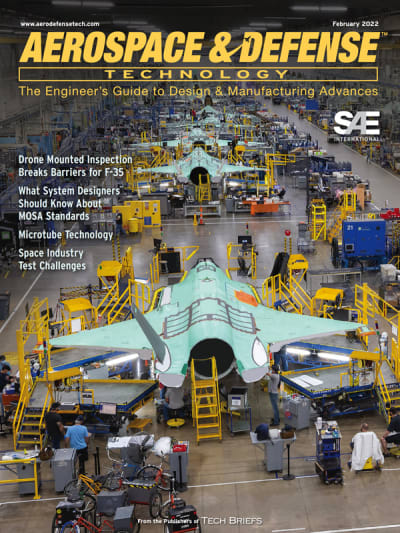
Inside this issue
Overview
The February 2022 issue of Aerospace & Defense Technology presents a comprehensive overview of the latest advancements and challenges in the aerospace and defense sectors. This issue is particularly focused on the integration of new technologies and methodologies that enhance operational efficiency and responsiveness in a rapidly evolving battlefield environment.
Key Highlights:
-
Modular Open Systems Approach (MOSA): A significant theme in this issue is the Department of Defense's (DoD) mandate for adopting a Modular Open Systems Approach (MOSA) across the Army, Air Force, and Navy. This approach is crucial for enabling rapid responses to emerging threats, allowing for more flexible and adaptable procurement processes. The article discusses the implications of MOSA standards for system designers, emphasizing the need for interoperability and the ability to integrate new technologies seamlessly.
-
Rugged Computing: The issue features insights into rugged computing solutions that are essential for military applications. These systems must withstand harsh environments while providing reliable performance. The article outlines the key considerations for system designers when selecting rugged computing solutions, including durability, performance, and the ability to operate in extreme conditions.
-
Thermal Management: Another critical topic covered is thermal management, particularly in high-performance systems. The magazine discusses innovative microtube technology that enhances cooling efficiency in avionics and other electronic systems. This technology is vital for maintaining optimal operating temperatures, thereby ensuring the reliability and longevity of critical components.
-
Avionics & Electronics: The issue delves into the challenges faced by the space industry, particularly in testing and validating avionics systems. It highlights the importance of rigorous testing protocols to ensure that systems can perform reliably in the demanding conditions of space. Additionally, advancements in RF and microwave technology are explored, showcasing how these technologies are being utilized to improve connectivity and communication in avionics systems.
Aerospace Manufacturing: The magazine also addresses advancements in aerospace manufacturing, particularly in metrology at high speeds. The feature article on Lockheed Martin's F-35 assembly line illustrates the complexities of modern aerospace manufacturing, where physical obstacles pose challenges for inspection processes. The use of robots and drones for inspections is discussed as a solution to these challenges, highlighting the integration of automation in manufacturing.
-
Electronic Prognostics: A case study on electronic prognostics using Global Positioning System (GPS) technology is presented, demonstrating how predictive maintenance can enhance operational readiness and reduce downtime. This approach leverages data analytics to anticipate failures before they occur, allowing for timely interventions.
-
Radar Systems: The development of a 94 GHz radar system for bird detection at airports and airfields is another highlight. This technology is crucial for enhancing safety in aviation by preventing bird strikes, which can have catastrophic consequences.
-
Infrared Systems: The evolution of infrared systems for tactical aviation is discussed, emphasizing their role in modern military operations. The article explores how advancements in infrared technology are improving situational awareness and targeting capabilities for military aircraft.
-
FPGAs and High-Performance Computing (HPC): The issue also touches on the role of Field-Programmable Gate Arrays (FPGAs) in high-performance computing applications. FPGAs are becoming increasingly important in defense applications due to their flexibility and ability to handle complex computations efficiently.
-
New Products and Innovations: The magazine concludes with a section dedicated to new products and innovations in the aerospace and defense sectors. This includes a variety of cutting-edge technologies and solutions that are being introduced to the market, reflecting the ongoing evolution of the industry.
Conclusion:
The February 2022 issue of Aerospace & Defense Technology serves as a vital resource for professionals in the aerospace and defense industries. It provides in-depth analyses of current trends, challenges, and technological advancements that are shaping the future of these sectors. By focusing on modular systems, rugged computing, thermal management, and innovative manufacturing techniques, this issue equips readers with the knowledge needed to navigate the complexities of modern defense and aerospace operations. The integration of new technologies and methodologies is essential for maintaining a competitive edge in an increasingly dynamic and threat-laden environment.
Features
-
Application Briefs
38 Hybrid Thermal and Red Dot Sight
40 Airborne Early Warning and Control Sensor
42 Explosive Ordnance Disposal (EOD) Jamming Unit
-
Articles
6 What System Designers Should Know About MOSA Standards
12 Microtube Technology: A Catalyst for Next-Gen Aerospace Thermal Control
16 Space Industry Test Challenges
21 Advancing Metrology at Mach Speed
24 RF Technology Helps Connect Avionics Systems
29 Using Open-Cavity Plastic Packages in Avionics Applications
Tech Briefs
-
Aerospace
31 Electronic Prognostics – A Case Study Using Global Positioning System (GPS)
32 Development of a 94 GHz Radar System for Dedicated Bird Detection at Airports and Airfields
34 The Effect of Failing to Recapitalize the B-52H Defensive Avionics System on Future Operations
35 Infrared Systems for Tactical Aviation: An Evolution in Military Affairs?
Products
-
46 New Products
Top Stories
NewsRF & Microwave Electronics
 Microvision Aquires Luminar, Plans Relationship Restoration, Multi-industry Push
INSIDERAerospace
 A Next Generation Helmet System for Navy Pilots
INSIDERDesign
 New Raytheon and Lockheed Martin Agreements Expand Missile Defense Production
INSIDERMaterials
 How Airbus is Using w-DED to 3D Print Larger Titanium Airplane Parts
NewsPower
 Ford Announces 48-Volt Architecture for Future Electric Truck
ArticlesAR/AI

Webcasts
Electronics & Computers
 Cooling a New Generation of Aerospace and Defense Embedded...
Automotive
 Battery Abuse Testing: Pushing to Failure
Power
 A FREE Two-Day Event Dedicated to Connected Mobility
Unmanned Systems
 Quiet, Please: NVH Improvement Opportunities in the Early Design Cycle
Automotive
 Advantages of Smart Power Distribution Unit Design for Automotive &...
Energy
 Sesame Solar's Nanogrid Tech Promises Major Gains in Drone Endurance