




Automotive Engineering - July/August 2018
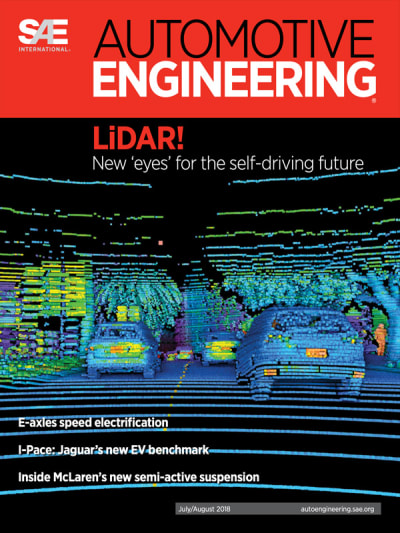
Inside this issue
Overview
This issue of Automotive Engineering magazine delves into various advancements and discussions surrounding the automotive industry, particularly focusing on autonomous vehicles, electrification, and innovative engineering solutions.
Autonomous Vehicle Engineering: The magazine highlights the launch of SAE's Autonomous Vehicle Engineering (AVE), which began as a supplement to Automotive Engineering in November 2017. AVE is set to expand its publication frequency in 2019, reflecting the growing interest and developments in the field of autonomous vehicles. The magazine aims to provide insights and updates for professionals working in AV-related jobs, with plans for broader accessibility through subscriptions and online availability.
Reader Feedback: The issue features feedback from readers expressing their thoughts on the magazine's content. One reader, Colin Stava, critiques SAE's levels of vehicle automation, arguing that true autonomy requires vehicles to operate without any human input under all conditions, a feat he believes is currently unattainable. This discussion underscores the ongoing debate about the definitions and expectations of vehicle automation.
Innovations in Continuously Variable Transmissions (CVT): John Pellegrino shares his insights on CVT technology, noting that current designs often rely on metal-to-metal friction, which limits durability. He presents his own CVT design that utilizes traditional mechanical principles, claiming it overcomes these limitations. This innovation could lead to greater acceptance and application of CVTs in the automotive market.
Noise, Vibration, and Harshness (NVH) Performance: A reader praises an article on multiphysics simulation, particularly its application in NVH analysis within the powersports industry. The article discusses how Mahindra's R&D team employs numerical simulation early in the development cycle to enhance engine performance, particularly in terms of noise and vibration. This reflects a broader trend in the industry towards using advanced simulation techniques to improve product design and performance.
Electrification and Market Trends: The editorial section addresses the ongoing transition towards electrification in the automotive sector. A reader, M. Khan, emphasizes the challenges of widespread electric vehicle (EV) adoption, including the costs associated with charging infrastructure. He cites industry forecasts predicting that most light vehicles will be hybrids within the next decade, while a fully electric future remains distant. This perspective highlights the complexities and realities of transitioning to electric propulsion.
Tesla Model 3 Discussion: The issue also includes commentary on the Tesla Model 3, with a reader expressing skepticism about the feasibility of a ,000 version of the vehicle. This reflects broader concerns about pricing and market expectations for electric vehicles, particularly in the context of Tesla's ambitious production goals.
Technological Innovations: The magazine features various technological advancements, including Eaton's next-generation EGR solution and the integration of carbon fiber in automotive design. These innovations are indicative of the industry's push towards more efficient and sustainable vehicle technologies.
Subscription and Accessibility: The magazine outlines subscription details for both members and non-members of SAE, emphasizing the importance of staying informed about the latest developments in automotive engineering. It also encourages readers to engage with the content and provide feedback, fostering a community of professionals dedicated to advancing the field.
Conclusion: Overall, this issue of Automotive Engineering magazine encapsulates the dynamic nature of the automotive industry, highlighting key discussions on autonomous vehicles, electrification, and engineering innovations. It serves as a valuable resource for professionals seeking to stay updated on the latest trends and technologies shaping the future of mobility. The ongoing dialogue among readers and contributors reflects the collaborative spirit of the industry as it navigates the challenges and opportunities presented by rapid technological advancements.
Features
-
Articles
Regulars
-
Supplier Eye
-
The Navigator
-
What We're Driving
-
Technology Reports
New Osram IREDs Enhance Vehicle Vision, less Harmful to Human Eyes
-
Road Ready
All-New, Unibody 2019 Chevy Blazer Aims for Stylish On-Road Capability
Stories
-
News
Porsche Names First-Ever Electric Car: ‘Taycan’
As Early Autonomy Questions Roil the Industry, Toyota Hews to Driver-Enhancement Philosophy
Martinrea's New Tech Center Focuses on Subframe Innovation
Ford Gives 2019 Raptor Smarter Shocks, New Trail Control Electronics
OEM Sourcing Trends Show More Program Discipline Needed
Equipmake's 'Cool' Motor Technology
Chassis Brakes International Debuts First NA-Produced Products
Top Stories
NewsRF & Microwave Electronics
 Microvision Aquires Luminar, Plans Relationship Restoration, Multi-industry Push
INSIDERAerospace
 A Next Generation Helmet System for Navy Pilots
INSIDERDesign
 New Raytheon and Lockheed Martin Agreements Expand Missile Defense Production
INSIDERMaterials
 How Airbus is Using w-DED to 3D Print Larger Titanium Airplane Parts
NewsPower
 Ford Announces 48-Volt Architecture for Future Electric Truck
ArticlesAR/AI

Webcasts
Electronics & Computers
 Cooling a New Generation of Aerospace and Defense Embedded...
Automotive
 Battery Abuse Testing: Pushing to Failure
Power
 A FREE Two-Day Event Dedicated to Connected Mobility
Unmanned Systems
 Quiet, Please: NVH Improvement Opportunities in the Early Design Cycle
Automotive
 Advantages of Smart Power Distribution Unit Design for Automotive &...
Energy
 Sesame Solar's Nanogrid Tech Promises Major Gains in Drone Endurance