




What We’re Driving: 2020 Harley-Davidson LiveWire ELW
The Motor Company’s first electric is quick, quiet and offers DC fast charging.
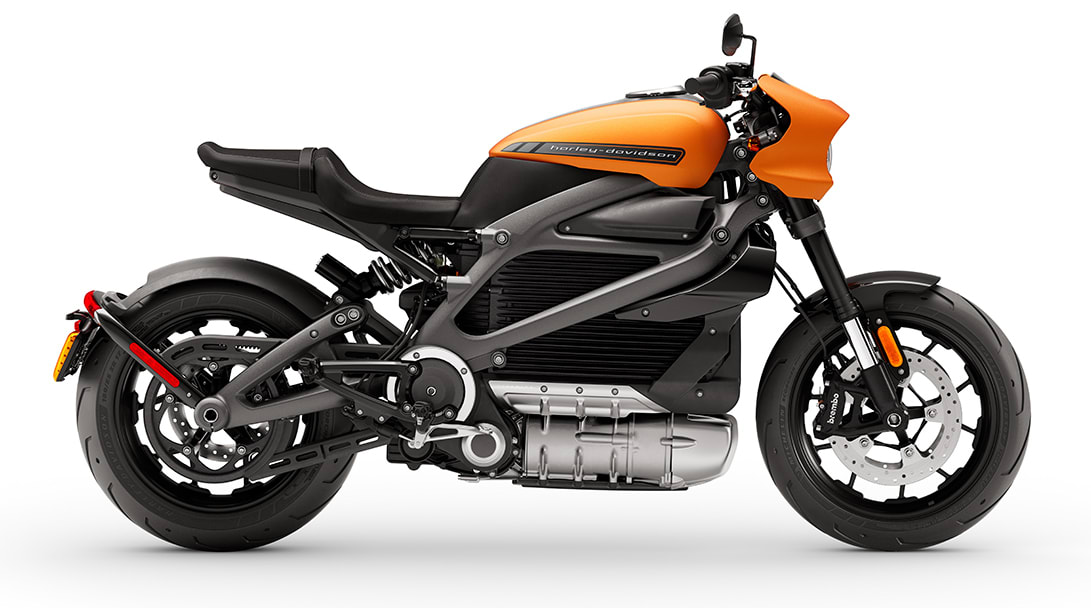
“Grab your helmet, you need to ride this thing!” exclaimed my pal Dave, as he parked his new electric Harley-Davidson in my driveway. I’d been working outside when he arrived but hadn’t heard him coming, not even tire noise. The LiveWire is the silent hog. I’ve been motorcycle-obsessed since childhood and currently own two hydrocarbon-fueled parallel twins, which won’t accelerate to 60 mph in three seconds like the LiveWire is capable of doing.
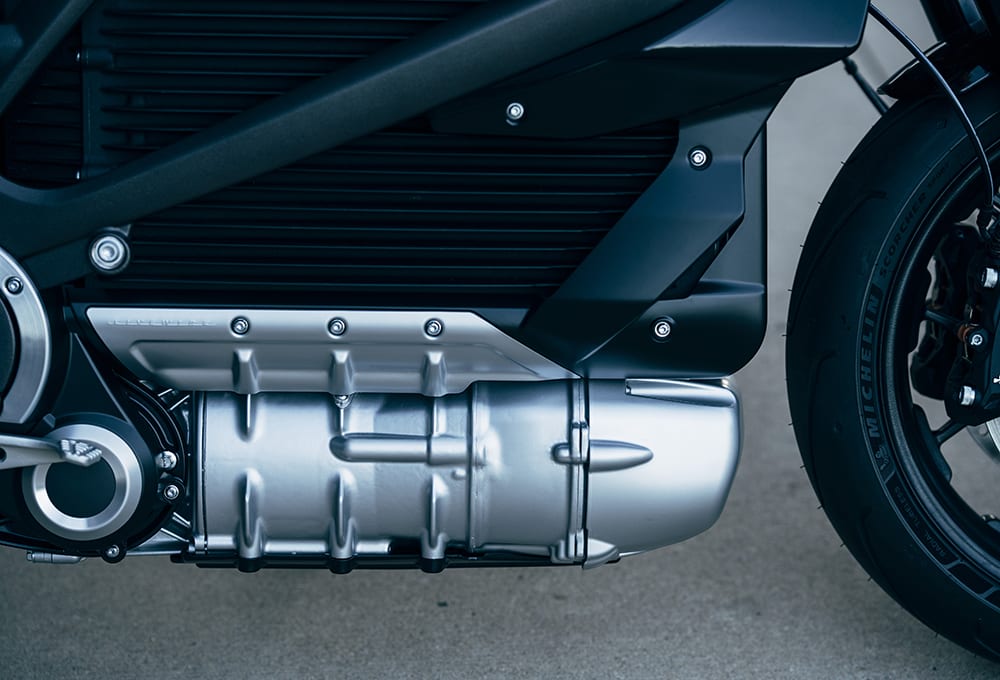
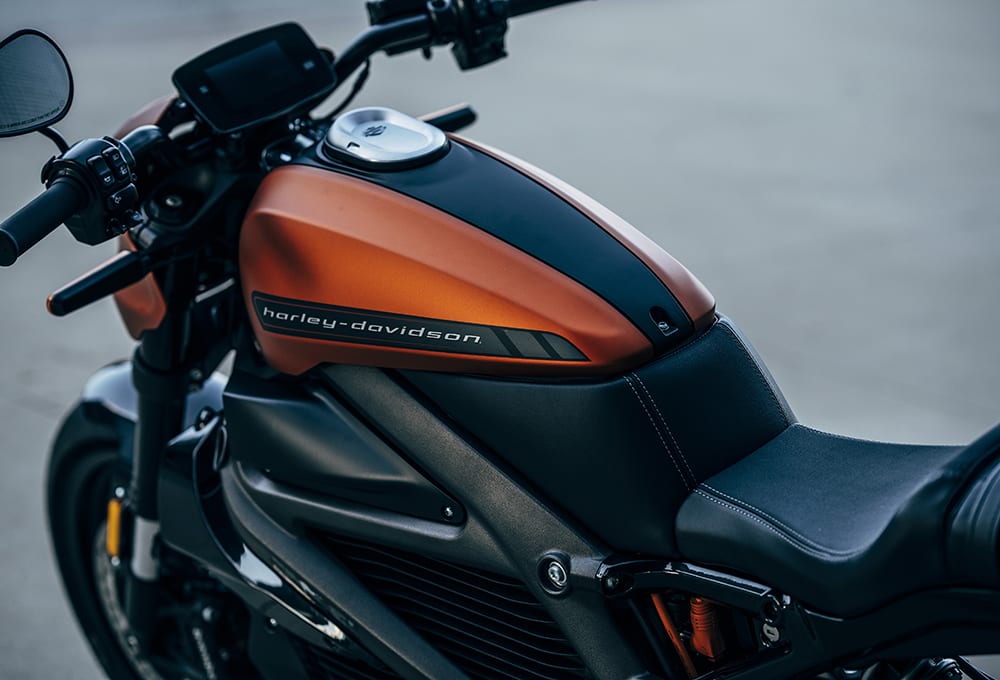
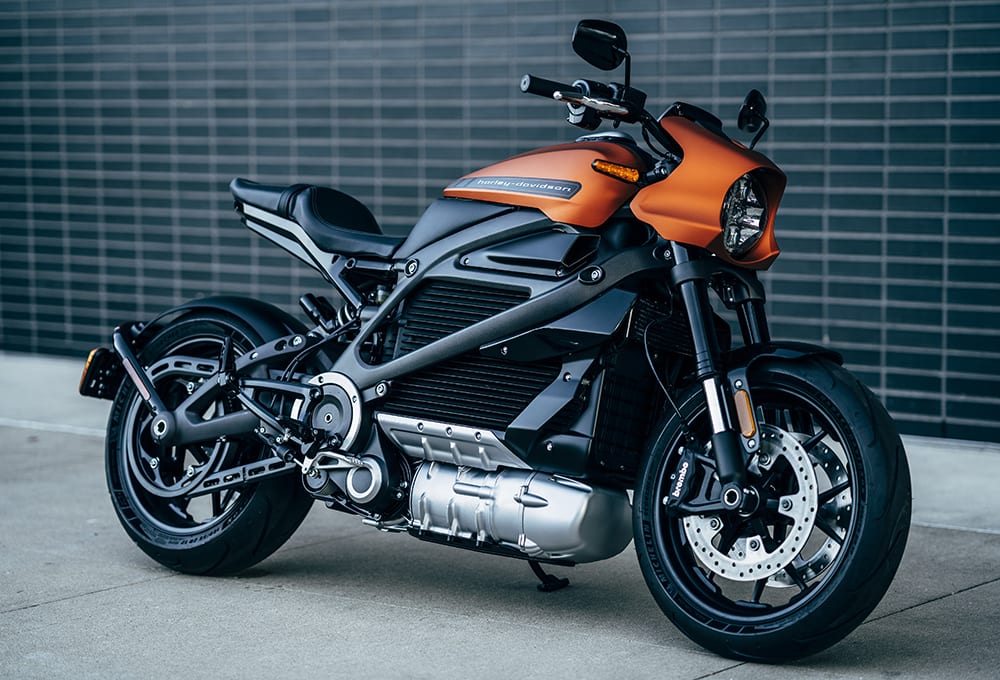
Nor do they sport an easy-to-use 4.3-inch color TFT touchscreen or offer Level-3 DC fast charging, along with L1 and L2. Pop the cover on the top of the LiveWire’s faux gas tank and there’s a CCS charge port. Neat. But, being the eternal codger, I still love the sound and feel of a combustion-engined machine. Harley’s EV team realized most riders who can afford a $30,000 e-hog do, too, so using the motor magnets they’ve engineered a tactile vibration into the LiveWire’s driveline. You feel the subtle shakes through the pegs and handlebar. It’s counter to the automotive EV-development ethos but I get it for a Harley.
Dave alerted me to the bike’s roughly 140-mile range, of which about 90 miles remained. So, my LiveWire ride was a 20-mile scoot on my local country road. Impressions: It’s quick, quiet and doesn’t feel like it weighs 550 pounds. Most of that mass is the liquid-cooled 15.5-kWh battery and traction motor. Ride quality is between firm and Electra Glide plush. There’s no discernible heat emitted from the powertrain. But I greatly missed the clutch and gearbox that make piston-powered motorcycling so enjoyable.
2020 Harley-Davidson LiveWire ELW
Base price: $29,799
As tested: $30,149
Highs: Quick and quiet
Lows: An expensive, short-range ride
Takeaway: Well-engineered first EV from Milwaukee

More From SAE Media Group
Automotive Engineering
Jeep Engineers a Wrangler EV with Manual Gearbox
Automotive Engineering
Tuning the 2024 Corvette E-Ray for Exceptional Drivability
Automotive Engineering
The EV Tech of BMW’s Neue-Klasse IX3
Off-Highway Engineering
Truckin’ on Hydrogen
Automotive Engineering
Schaeffler Heads Back to CES with New Acquisition, Capabilities
Automotive Engineering
2025 Hyundai Ioniq 5 N Makes E-Shift Feel Real
Off-Highway Engineering
Eaton and BAE Gear up a New Electrified Truck
Automotive Engineering
Mazda’s 2024 CX-90 Offers Turbo I-6, PHEV Propulsion
Automotive Engineering
Electrification Brings Supplier Value Closer to Home
Automotive Engineering
Bosch’s EV Efficiency Upgrade: Continuously Variable Transmissions
Automotive Engineering
Ford Details All-Electric F-150 Lightning
Automotive Engineering
Hybridization the Highlight of Ford’s All-New 2021 F-150
Automotive Engineering
BMW Engineers for the EV-Transition Reality
Off-Highway Engineering
Mack Announces Series Production of MD Electric at Work Truck Week
Automotive Engineering
Powering Back to the Future
Automotive Engineering
Elaphe Readies In-Wheel Motors for OEM EVs After 2030
Off-Highway Engineering
Volvo Trucks Accelerates Electric Truck Debuts
Automotive Engineering
Tremec-Trification
Off-Highway Engineering
Ford Expands EV Lineup with E-Transit Cargo Van
Automotive Engineering
Cadillac Lyriq Spearheads GM’s EV Assault
Automotive Engineering
Mahle Shows Urban Mobility Concept
Automotive Engineering
Mahle Reveals ‘Fits All’ Modular and Scalable Integrated Hybrid Powertrain
Automotive Engineering
Converting Classic Cars Is Just Step One of This Mission
Automotive Engineering
Hyundai Reveals Market-Sized 2022 Tucson SUV
Automotive Engineering
Audi Unveils Production Version of First-Ever EV: E-Tron
Automotive Engineering
Actuating Hybrid and EV Efficiency

Automotive Engineering
What We’re Driving: 2020 Honda CR-V Hybrid
Automotive Engineering
2021 ID.4 Is Volkswagen’s First U.S.-Market Dedicated EV
Automotive Engineering
SAE Launches New Standards Document to Rate Power of Electrified Vehicles
Top Stories
NewsRF & Microwave Electronics
 Microvision Aquires Luminar, Plans Relationship Restoration, Multi-industry Push
INSIDERAerospace
 A Next Generation Helmet System for Navy Pilots
INSIDERDesign
 New Raytheon and Lockheed Martin Agreements Expand Missile Defense Production
INSIDERMaterials
 How Airbus is Using w-DED to 3D Print Larger Titanium Airplane Parts
NewsPower
 Ford Announces 48-Volt Architecture for Future Electric Truck
ArticlesAR/AI

Webcasts
Electronics & Computers
 Cooling a New Generation of Aerospace and Defense Embedded...
Automotive
 Battery Abuse Testing: Pushing to Failure
Power
 A FREE Two-Day Event Dedicated to Connected Mobility
Unmanned Systems
 Quiet, Please: NVH Improvement Opportunities in the Early Design Cycle
Automotive
 Advantages of Smart Power Distribution Unit Design for Automotive &...
Energy
 Sesame Solar's Nanogrid Tech Promises Major Gains in Drone Endurance