




Addressing Configuration Controls in an Era of Multiple Security Frameworks
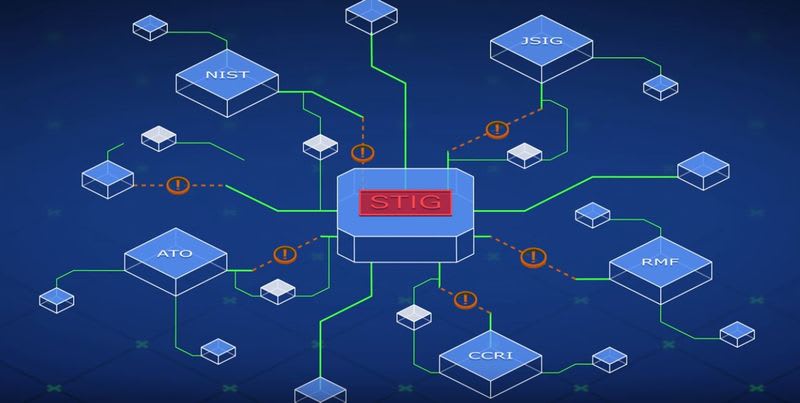
We have entered the era of multiple security frameworks . Sometimes mandatory, often voluntary, security frameworks are created to provide federal and commercial organizations with an effective roadmap for securing information technology (IT) systems. The goal is to reduce risk levels and prevent or mitigate cyberattacks.
To accomplish this task, security frameworks typically provide a series of documented, agreed upon, and understood policies, procedures, and processes necessary to secure the confidentiality, integrity, and availability of information systems and data.
If a drawback to security frameworks exists, however, it is that most provide a “30,000-foot view” of information security. Most identify potential risks as well as how to protect, detect, respond, and even recover from cyberattacks. Specific implementation steps, on the other hand, are rarely addressed.
One critical exception exists. At the core of most, if not all, the frameworks are a set of security-related controls that affect the security posture and/or functionality of the system.
More From SAE Media Group
Aerospace & Defense Tech Briefs
Automation Streamlines Accreditation to Speed Aerospace and Defense Technology Deployment
Aerospace & Defense Tech Briefs
Challenges Ahead: Cybersecurity and the Aerospace Supply Chain

Off-Highway Engineering
Software Needs Security, and Security Needs Software: A Scientific Overview
Aerospace & Defense Tech Briefs
AIA Predicts Flying Air Taxis, Supersonic Air Travel, and Space Industry for 2050
Automotive Engineering
OTA Will Drive Cybersecurity Programs
Medical Design Briefs
Proactive Cybersecurity Saves Healthcare Organizations from Data Breaches
Automotive Engineering
'Function on Demand' Brings Opportunities, Security Challenges
Off-Highway Engineering
Argus Cyber Security Responds Quickly to New Threats Via Over-The-Air Updates
Off-Highway Engineering
Securing CAN Networks in Commercial Vehicles
Automotive Engineering
Cybersecurity Experts Confess Their Greatest Worries
Automotive Engineering
WCX17: Cybersecurity Fears Soar as Connectivity Escalates
Off-Highway Engineering
Cellular-Key Solution Augments Commercial-Vehicle Security
Aerospace & Defense Tech Briefs
Information Warfare: Staying Protected at the Edge
Off-Highway Engineering
Cybersecurity for Commercial Vehicles

Off-Highway Engineering
Hackers Aim to Exploit Vulnerabilities in CVs, Pushing Security to the Forefront
Automotive Engineering
Cybersecurity Firm Enlists AI in Battle as Threats Increase
Off-Highway Engineering
Virtual Factories Accelerate Collaboration, Advance Technologies
Automotive Engineering
Securing the Software-Defined Vehicle
Automotive Engineering
Expert Advice: How to Handle a Cyber Disruption
Automotive Engineering
Cybersecurity Expert Says Crowdstrike and CDK Global Incidents Serve as Wake-Up Calls
Automotive Engineering
Security Expert: Hackers Will Target Low-Profile Vehicle Intrusions
Automotive Engineering
Nvidia Partners with AdaCore to Secure Self-Driving Firmware

Automotive Engineering
Experts Confront Cyber-Security Realities
Off-Highway Engineering
Big Data’s Benefits Keep A-Comin’
Aerospace & Defense Tech Briefs
Industry Invited to Participate in AeroTech Aerospace and Defense Technical Program
Automotive Engineering
Mission Critical: Cybersecurity
Automotive Engineering
New Auto "ISAC" Is Framework for Improved Cybersecurity
Top Stories
NewsRF & Microwave Electronics
 Microvision Aquires Luminar, Plans Relationship Restoration, Multi-industry Push
INSIDERAerospace
 A Next Generation Helmet System for Navy Pilots
INSIDERDesign
 New Raytheon and Lockheed Martin Agreements Expand Missile Defense Production
INSIDERMaterials
 How Airbus is Using w-DED to 3D Print Larger Titanium Airplane Parts
NewsPower
 Ford Announces 48-Volt Architecture for Future Electric Truck
ArticlesAR/AI

Webcasts
Electronics & Computers
 Cooling a New Generation of Aerospace and Defense Embedded...
Automotive
 Battery Abuse Testing: Pushing to Failure
Power
 A FREE Two-Day Event Dedicated to Connected Mobility
Unmanned Systems
 Quiet, Please: NVH Improvement Opportunities in the Early Design Cycle
Automotive
 Advantages of Smart Power Distribution Unit Design for Automotive &...
Energy
 Sesame Solar's Nanogrid Tech Promises Major Gains in Drone Endurance