




OTA Will Drive Cybersecurity Programs

Connecting vehicles with the Internet means that cybersecurity is now a necessity that must be designed into nearly every piece of automotive hardware and software. Security schemes will have to include techniques for updating security software as threats evolve.
Vehicles are becoming part of the Internet of Things (IoT), but they’re also joining the Internet of Threats, Faye Francy told WCX attendees during a panel dubbed “CyberSecurity 2.0 – Collaboration, Incident Response and Automation.” Francy heads up the Auto-ISAC (Information Sharing and Analysis Center), which was formed by many OEMs and Tier 1s to work together to thwart hackers.
Panelists agreed that over-the-air (OTA) updating is a critical aspect of any cybersecurity program, since hackers will continually find new ways to attack connected products.
“OTA updating is absolutely the most important things you can do in cybersecurity,” said Justin Cappos, a cybersecurity expert from New York University.
OEMs have been updating software through dealerships for years. That model probably won’t work given the need to regularly update cybersecurity software as hackers try new techniques for exploiting vulnerabilities. Some companies plan to start OTA programs in areas like infotainment before moving into powertrains and safety systems.
“We’re starting with modules that aren’t in the critical path,” said General Motors’ Chief Product Cybersecurity Officer Kevin Tierney. “We need to make sure those connections are secure. Over time, we will go into safety critical modules.”
Many automotive companies have relied on proprietary technologies to safeguard software, but that approach may not work for cybersecurity. Do-it-yourself architectures for protecting over-the-air updates might have more vulnerabilities than protective schemes that have been reviewed by hundreds or thousands of engineers who attempt to breach the barricades.
“There are ways to do it right, and ways to do it wrong, so why not use a standard way that’s used by a lot of people?” said Dr. Andre Weimerskirch, VP Global Cyber Security at Lear Corp. “Companies need to have a software architecture that lets them update the majority of software without needing to recertify it.”
More From SAE Media Group

Off-Highway Engineering
Securing CAN Networks in Commercial Vehicles
Automotive Engineering
Cybersecurity Firm Enlists AI in Battle as Threats Increase
Automotive Engineering
Nvidia Partners with AdaCore to Secure Self-Driving Firmware
Off-Highway Engineering
Argus Cyber Security Responds Quickly to New Threats Via Over-The-Air Updates
Automotive Engineering
'Function on Demand' Brings Opportunities, Security Challenges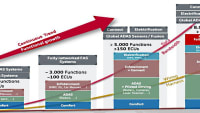
Off-Highway Engineering
Security, Bandwidth Drive Over-The-Air Development
Medical Design Briefs
Securing the Future of Healthcare through the Right Cybersecurity Architecture

Medical Design Briefs
Is Healthcare Ready to Pick Up the Pace in Cybersecurity?
Off-Highway Engineering
Europe’s Blockchain-Based Smart E-Mobility Challenge Will Conclude This May in Germany
Off-Highway Engineering
Addressing Configuration Controls in an Era of Multiple Security Frameworks
Automotive Engineering
WCX17: Cybersecurity Fears Soar as Connectivity Escalates
Automotive Engineering
Automotive Cybersecurity Needs Serious Work
Aerospace & Defense Tech Briefs
Automation Streamlines Accreditation to Speed Aerospace and Defense Technology Deployment

Automotive Engineering
Cybersecurity Experts Confess Their Greatest Worries
Aerospace & Defense Tech Briefs
Challenges Ahead: Cybersecurity and the Aerospace Supply Chain
Off-Highway Engineering
Hackers Aim to Exploit Vulnerabilities in CVs, Pushing Security to the Forefront
Automotive Engineering
Cybersecurity Expert Says Crowdstrike and CDK Global Incidents Serve as Wake-Up Calls
Off-Highway Engineering
Virtual Factories Accelerate Collaboration, Advance Technologies
Motion Design
Build IIoT Networks with Smart Control and HMI Software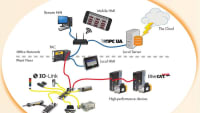
Off-Highway Engineering
Over-The-Air Affair
Automotive Engineering
Securing the Software-Defined Vehicle
Medical Design Briefs
Proactive Cybersecurity Saves Healthcare Organizations from Data Breaches

Off-Highway Engineering
Big Data’s Benefits Keep A-Comin’
Sensor Technology
The Industrial Nervous System: IIoT and PLCs
Off-Highway Engineering
MOBI Rolls out the First Blockchain-Enabled Vehicle Identity (VID) Mobility Standard
Autonomous Vehicle Engineering
TCU Testing at the Heart of Vehicle Connectivity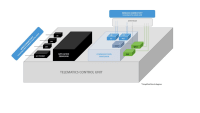
Top Stories
NewsSensors/Data Acquisition
 Microvision Aquires Luminar, Plans Relationship Restoration, Multi-industry Push
INSIDERRF & Microwave Electronics
 A Next Generation Helmet System for Navy Pilots
INSIDERWeapons Systems
 New Raytheon and Lockheed Martin Agreements Expand Missile Defense Production
NewsAutomotive
 Ford Announces 48-Volt Architecture for Future Electric Truck
INSIDERAerospace
 Active Strake System Cuts Cruise Drag, Boosts Flight Efficiency
ArticlesTransportation

Webcasts
Aerospace
 Cooling a New Generation of Aerospace and Defense Embedded...
Energy
 Battery Abuse Testing: Pushing to Failure
Power
 A FREE Two-Day Event Dedicated to Connected Mobility
Automotive
 Quiet, Please: NVH Improvement Opportunities in the Early Design Cycle
Electronics & Computers
 Advantages of Smart Power Distribution Unit Design for Automotive &...
Unmanned Systems
 Sesame Solar's Nanogrid Tech Promises Major Gains in Drone Endurance