




Airbus Will Lean on Start-Ups and Research Institutes for Europe’s Future Combat Air System

Airbus intends to closely cooperate with start-ups, sole subject matter experts (SMEs), and research institutes – especially in the software domain – in order to unlock new ideas, technologies, and research areas for France and Germany’s Future Combat Air System (FCAS) program. The statement, made during the 53rd International Paris Air Show , was followed by special pitching sessions for selected European startups organized by Starburst.
Originally proposed at the 2018 Internationale Luft- und Raumfahrtausstellung (ILA) Berlin Air Show , the systems-of-systems FCAS architecture includes new sixth-generation Next Generation Fighter (NGF) that will serve as a hub or nucleus for multiple cloud-linked UAV or “remote carrier” wingmen.
William Kucinski is content editor at SAE International, Aerospace Products Group in Warrendale, Pa. Previously, he worked as a writer at the NASA Safety Center in Cleveland, Ohio and was responsible for writing the agency’s System Failure Case Studies. His interests include literally anything that has to do with space, past and present military aircraft, and propulsion technology.
Contact him regarding any article or collaboration ideas by e-mail at
More From SAE Media Group
Aerospace & Defense Tech Briefs
ANSYS Will Help Airbus Develop AI-Enabled Flight Controls for the FCAS Program’s Autonomous Wingmen
Aerospace & Defense Tech Briefs
Aitech Defense Will Provide Data Interface Technology for Boeing’s Unmanned MQ-25 Refueling Platform
Aerospace & Defense Tech Briefs
SAE International Establishes a New AI Standards Committee at Le Bourget
Aerospace & Defense Tech Briefs
Abaco’s FORCE2 Flight Computer Enables National and International Ground Control Station Certification
Aerospace & Defense Tech Briefs
Curtiss-Wright Black Boxes Receive European Approval


Aerospace & Defense Tech Briefs
L3 Makes Its C-130 Modernization Package Available to Global Operators
Aerospace & Defense Tech Briefs
Airbus and Dassault Aviation Will Start Development of the “New Generation Fighter” for European FCAS Program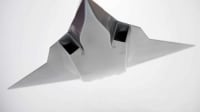
Aerospace & Defense Tech Briefs
DARPA’s Latest Drone Swarm Sprint Focuses on Virtual Environments
Aerospace & Defense Tech Briefs
Air Force Tests Fully Autonomous UAS Control System
Aerospace & Defense Tech Briefs
Sikorsky’s Autonomous Black Hawk Helicopter Takes Flight
Aerospace & Defense Tech Briefs
Curtiss-Wright Will Provide Data Technology Support for Boeing’s MQ-25 Unmanned Air Refueling Platform
Aerospace & Defense Tech Briefs
NATS Will Test AI at Heathrow to Reduce Weather-Related Flight Delays
Aerospace & Defense Tech Briefs
AIA Predicts Flying Air Taxis, Supersonic Air Travel, and Space Industry for 2050
Aerospace & Defense Tech Briefs
Raytheon, UTC Merger Will Direct $8B R&D Budget Toward Hypersonics, Cybersecurity, AI, and Next-Gen Connected Aircraft
Aerospace & Defense Tech Briefs
Lockheed Martin’s Next-Gen, 360-Degree Vision System Flies on the Bell V-280 Valor
Aerospace & Defense Tech Briefs
General Atomics Moves Toward Global RPA Flight Certification for MQ-9B SkyGuardian
Aerospace & Defense Tech Briefs
Astronautics to Upgrade Cockpit Displays on U.S. Customs and Border Protection P-3 Orions
Aerospace & Defense Tech Briefs
BendixKing and Airwork Are Developing Cockpit Upgrades for the Often Overlooked Small- and Medium-Sized Helicopter Market
Aerospace & Defense Tech Briefs
Collins Aerospace Provides Avionics for C-130H Modernization Program
Aerospace & Defense Tech Briefs
Air Force Facility Dedicated to AI and Automation Opens in Pittsburgh
Aerospace & Defense Tech Briefs
New University-Led Air Force Center of Excellence Focuses on Securing Autonomous Systems Operating in Contested Environments
Aerospace & Defense Tech Briefs
When It Comes to Fifth-Generation Assets, Air Force Values Virtual Training over Live Flying
Aerospace & Defense Tech Briefs
Boeing’s Next EcoDemonstrator Test Bed Will Be a 777

Aerospace & Defense Tech Briefs
Curtiss-Wright and Honeywell Team to Develop Cloud-Enabled Flight Recorders of the Future
Aerospace & Defense Tech Briefs
Explainable-AI Image Recognition Is the Next Step for U.S. Air Force Unmanned Aircraft
Aerospace & Defense Tech Briefs
Connected Aircraft Technologies Benefit Manufacturers, Airlines, and Travelers
Aerospace & Defense Tech Briefs
BAE Systems Will Supply Flight Control and Target Identification Systems for Boeing’s Carrier-Based MQ-25
Top Stories
NewsRF & Microwave Electronics
 Microvision Aquires Luminar, Plans Relationship Restoration, Multi-industry Push
INSIDERAerospace
 A Next Generation Helmet System for Navy Pilots
INSIDERDesign
 New Raytheon and Lockheed Martin Agreements Expand Missile Defense Production
INSIDERMaterials
 How Airbus is Using w-DED to 3D Print Larger Titanium Airplane Parts
NewsPower
 Ford Announces 48-Volt Architecture for Future Electric Truck
ArticlesAR/AI

Webcasts
Electronics & Computers
 Cooling a New Generation of Aerospace and Defense Embedded...
Automotive
 Battery Abuse Testing: Pushing to Failure
Power
 A FREE Two-Day Event Dedicated to Connected Mobility
Unmanned Systems
 Quiet, Please: NVH Improvement Opportunities in the Early Design Cycle
Automotive
 Advantages of Smart Power Distribution Unit Design for Automotive &...
Energy
 Sesame Solar's Nanogrid Tech Promises Major Gains in Drone Endurance