




Nissan Europe and Partners Form Battery R&D Venture
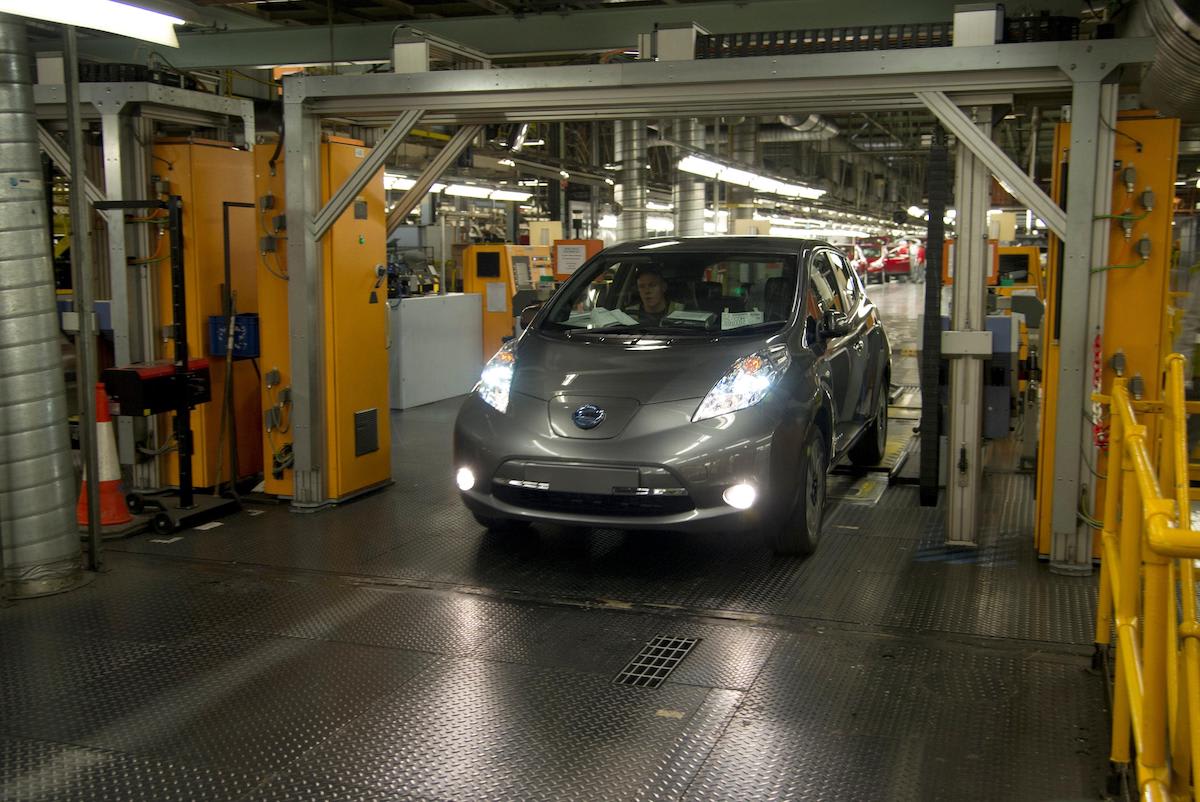
Nissan Europe, together with commercial and academic partners, is embarking on a near-£20 m (about $29 m) consortium project to pave the way for future generation EV batteries. The work is supported by a £9.7 m ($14.5) grant from the U.K. Advanced Propulsion Center (APC).
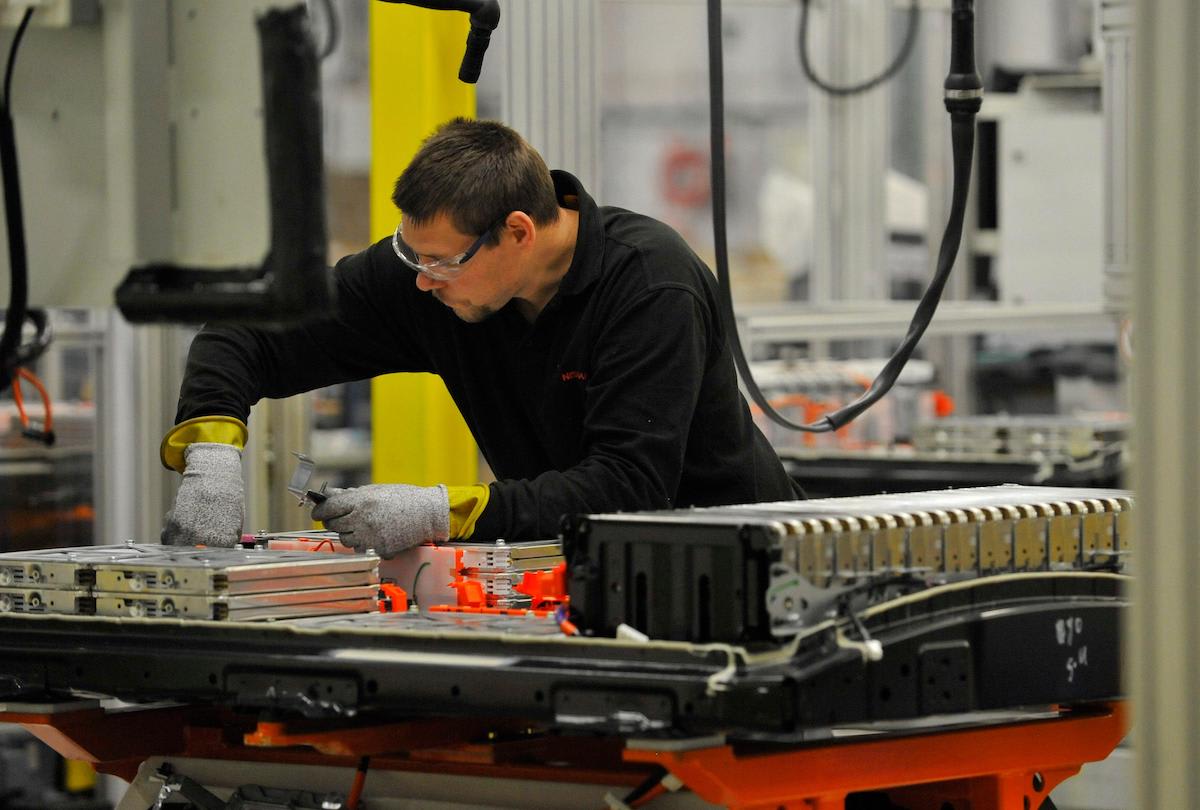
Additionally, Nissan has pledged to produce what it terms “a future generation of EV batteries” at its Sunderland, U.K. lithium-ion battery plant. The commitment will see a £26.5 m ($39.7 m) further investment in the facility, which is claimed to be the largest of its type in Europe.
Gareth Dunsmore, Director Zero Emissions Business Unit at Nissan Europe, based at Rolle, Switzerland, said: “We continue our efforts to improve EV batteries with the ultimate aim of offering a driving range that is comparable to conventional fuel-powered vehicles.”
Together with Nissan, the new consortium includes Hyperdrive Innovation, Warwick Manufacturing Group, University of Warwick, Newcastle University and Zero Carbon Futures. The group will work jointly on central areas of battery development, covering pilot projects, product diversification, and process improvement.
Nissan's current battery-cell development and supply partner for production vehicles is Automotive Energy Supply Corp. (AESC), a joint venture between the Nissan Motor Co., NEC Corp. and NEC Tokin.
Nissan recently launched the Leaf 30-kW·h model in Europe, following its U.S. debut. The upgraded Leaf has a claimed range of up to 250 km (155 mi), which is a 25% increase in range between full charges over the previous model. The car is capable of being charged via 3-phase, 400-V fast charge, along with standard home current.
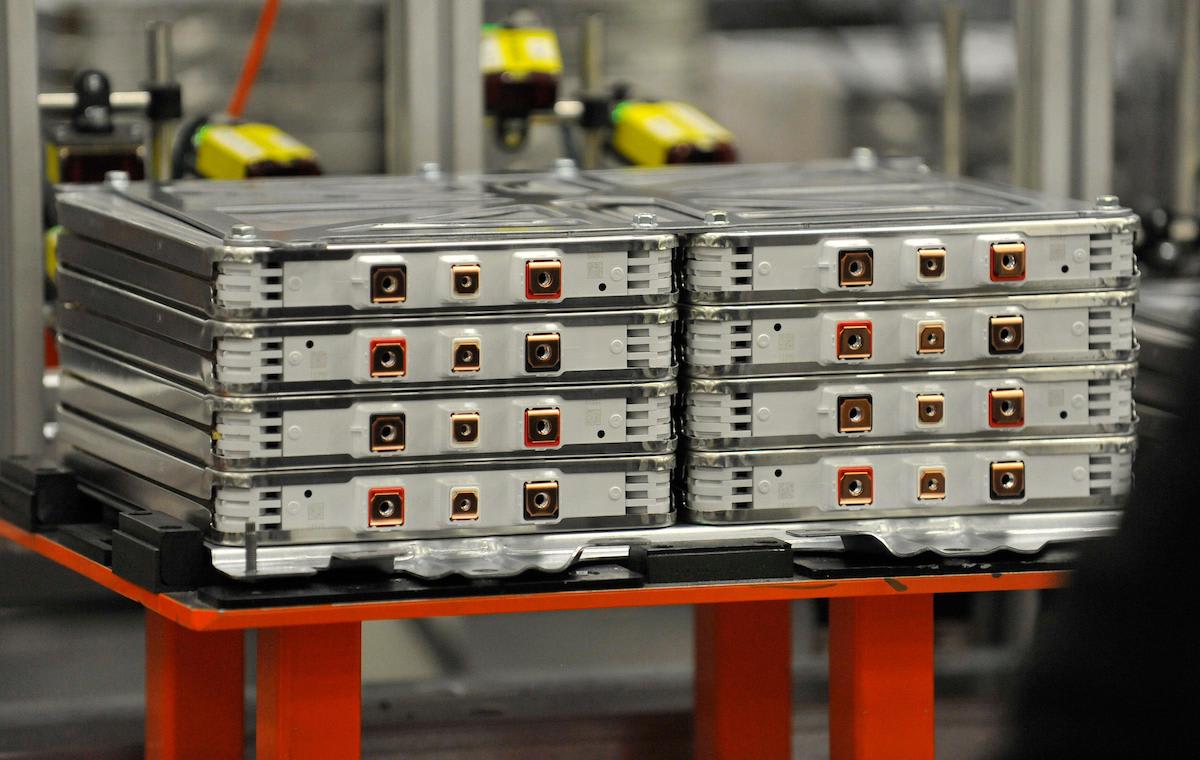
Said Dunsmore: “The 30 kW·h battery combines our most advanced technologies. With an improved laminated structure for the lithium ion batteries, we successfully increased the battery capacity from 24 kW·h to 30 kW·h whilst maintaining the battery pack size." Battery weight increased by 21 kg (9.5 lb).
Nissan engineers described the key to the new pack's higher performance as an update to its internal design and cell chemistry. A new cell layout in the pack, and the introduction of carbon, nitrogen and magnesium to the electrodes improve performance. The automaker's confidence in the performance and reliability of the new 30-kW·h battery earned it an eight year, 100,000-mi (160,000-km) warranty.
Asked what “a future generation of EV batteries” might mean, Dunsmore would not comment. Nor would he comment on whether alternatives to lithium-ion were on Nissan’s or its partners’ agendas.
EV production at Sunderland began in 2013 following a £420 m ($630 m) investment in the battery plant and manufacturing facilities for the Leaf. The plant is one of three global Nissan battery production sites. Battery modules are also produced for the Nissan e-NV200 electric van, which is assembled in Barcelona.
More From SAE Media Group
Automotive Engineering
Engineering Battery Packs for the ‘Underserved’ OEMs
Automotive Engineering
Battery Leasing Spurs VinFast’s EV Offensive
Off-Highway Engineering
ABS Ramps up Commercial-Vehicle Battery-Pack Assembly
Battery & Electrification Technology
Battery Innovation Key for Commercial and Off-Highway EVs
Automotive Engineering
Hercules Readies Alpha Electric Pickup Prototypes

Tech Briefs
Where Battery Power Becomes Horsepower
Automotive Engineering
BMW Plans Move to Structural Battery Packs and ‘46120’ Cells
Battery & Electrification Technology
The Rechargeable Renaissance
Automotive Engineering
EV Battery Manufacturing Commitments Surge in U.S.
Automotive Engineering
GM’s Ultium Battery System Future-Proofed
Automotive Engineering
All-Electric Nissan Ariya Handles Ultra-Cold Temps on Pole to Pole Trek
Battery & Electrification Technology
Betting Big on LFP Battery Cells for Electric Commercial Vehicles
Automotive Engineering
TI Fluid Systems Opens Facility to Create Cooling Products for EVs
Automotive Engineering
Engineering ‘Electron Guzzlers’
Off-Highway Engineering
Mercedes-Benz Goes Long with EActros 600 Electric Truck
Automotive Engineering
New GM, LG Chem Joint Venture to Build EV Battery Plant in U.S.
Automotive Engineering
WCX 2023: New Chinese EVs Feature ASSB Tech
Automotive Engineering
Can Solid-State Batteries Commercialize by 2030?
Automotive Engineering
GM Picks LMR as Its Future Affordable Battery Technology
Automotive Engineering
All (Robot) Hands on Deck
Automotive Engineering
Ford Starts the Hard Work of EV Battery, Raw Materials Security
Battery Technology
Advancing Battery Technology: THE 2021 BATTERY SHOW Preview
Automotive Engineering
Volvo’s Electric High-Wire Act

Automotive Engineering
The EV Tech of BMW’s Neue-Klasse IX3
Tech Briefs
Charging EVs as they Travel on Highways
Battery & Electrification Technology
The End of the Beginning: Why the EV Market Will Overcome the Loss of Tax Credits
Top Stories
NewsSensors/Data Acquisition
 Microvision Aquires Luminar, Plans Relationship Restoration, Multi-industry Push
INSIDERRF & Microwave Electronics
 A Next Generation Helmet System for Navy Pilots
INSIDERWeapons Systems
 New Raytheon and Lockheed Martin Agreements Expand Missile Defense Production
NewsAutomotive
 Ford Announces 48-Volt Architecture for Future Electric Truck
INSIDERAerospace
 Active Strake System Cuts Cruise Drag, Boosts Flight Efficiency
ArticlesTransportation

Webcasts
Aerospace
 Cooling a New Generation of Aerospace and Defense Embedded...
Energy
 Battery Abuse Testing: Pushing to Failure
Power
 A FREE Two-Day Event Dedicated to Connected Mobility
Automotive
 Quiet, Please: NVH Improvement Opportunities in the Early Design Cycle
Electronics & Computers
 Advantages of Smart Power Distribution Unit Design for Automotive &...
Unmanned Systems
 Sesame Solar's Nanogrid Tech Promises Major Gains in Drone Endurance