




Next-Generation Level 2 Charger Is Grid-Smart
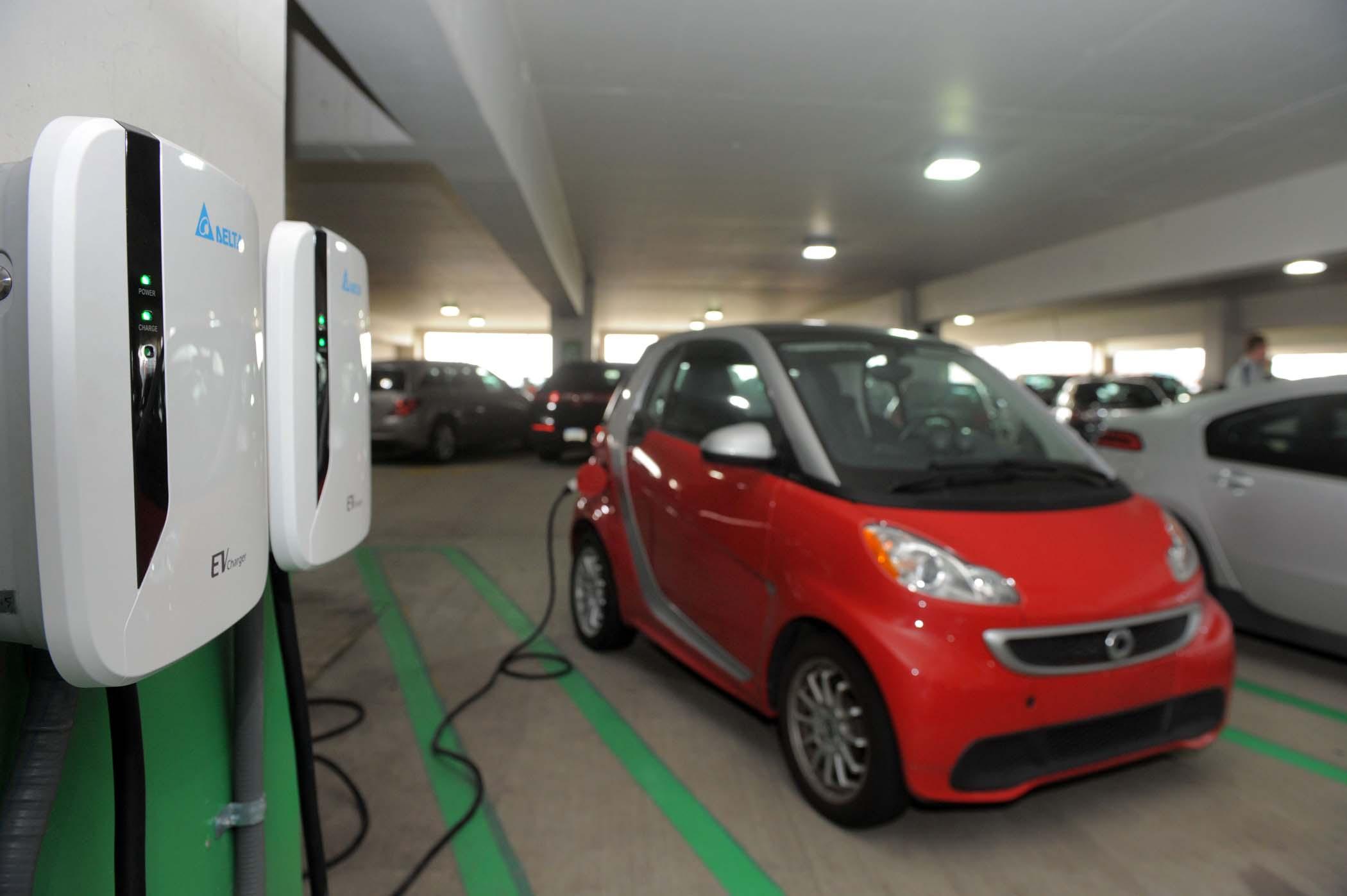
A Level 2 electric vehicle charger that can dispense power based on the available grid supply is undergoing its first field test in Detroit, MI.
Delta Products Corp., Detroit-based DTE Energy, Mercedes-Benz R&D North America, and consulting services company kVA are in the final phase of a three-year smart charging technology development project funded by a $2 million grant from the U.S. Department of Energy.
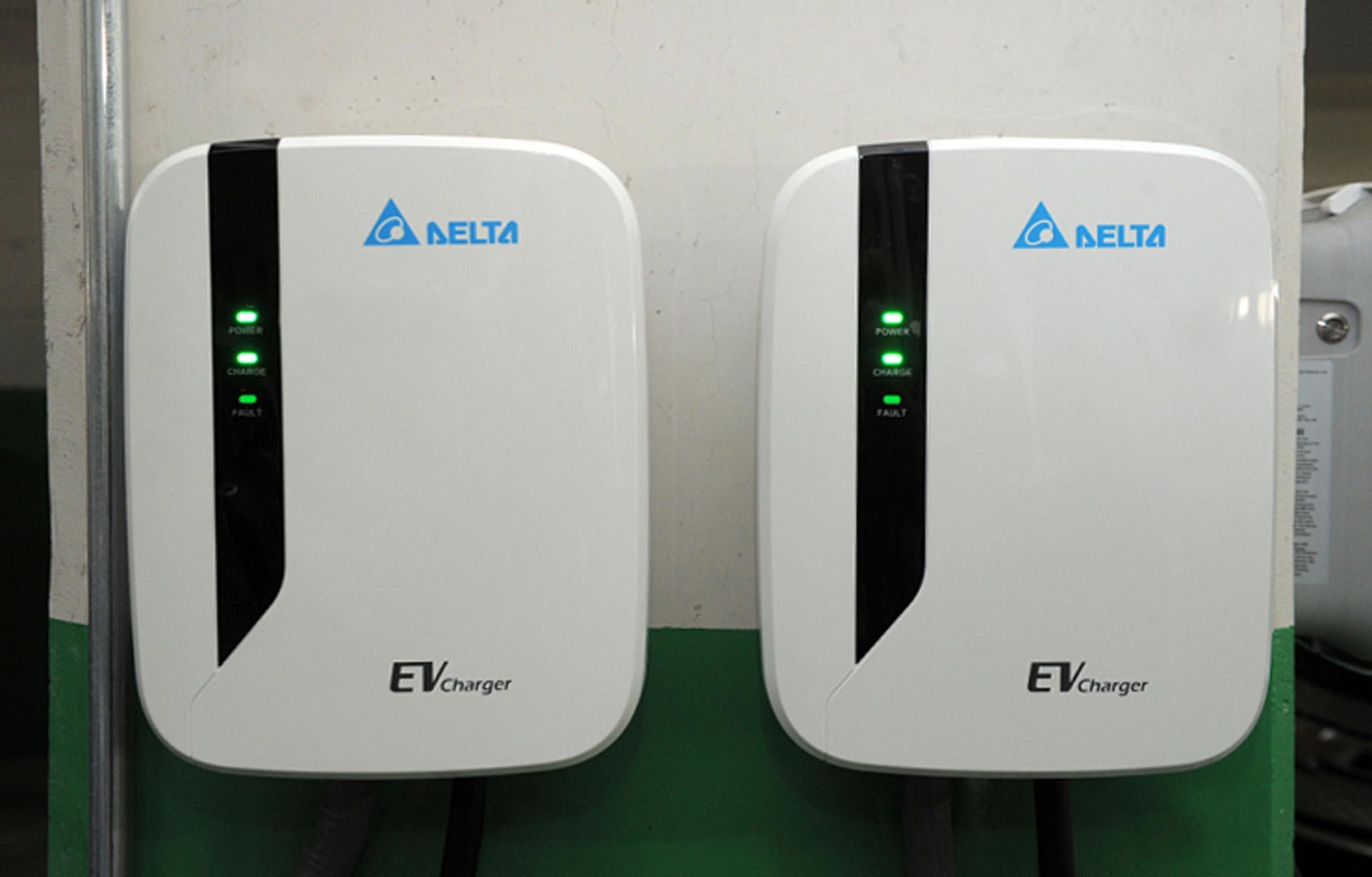
The Delta-designed and -developed next-generation AC Level 2 charging unit communicates wirelessly with the grid and uses Delta-developed Site Management System software.
This first-of-its-kind charging system means the power supply to electric vehicles (EVs) or plug-in hybrid electric vehicles (PHEVs) can be dialed up or dialed down based on grid demand. The amount of energy going into a plugged-in vehicle is based on information obtained by the charging unit’s Delta-developed Revenue Grade Power Meter.
“If the grid’s power budget is more than the demand, there is no problem. But if the grid does not have the power budget, then the system will dial down the power level temporarily until the grid supply returns to a normal level,” Charles Zhu, PhD, Director of Automotive Business for Delta Products in Livonia, MI, said in an interview with Automotive Engineering.
For a cluster of charging stations, like the project’s Detroit field demonstration, the system can optimize each vehicle’s charging needs based on the utility company’s energy profiles.
On the utility side, smart management of the grid’s power can help electrical transformers reach their expected life spans, according to Haukur (Hawk) Asgeirsson, DTE Energy’s Manager of Engineering. More than two million customers in Southeast Michigan receive electricity via DTE.
“The oil in the transformer and its core—that consists of copper, aluminum, and iron components—will heat up during the summertime when the grid is at maximum capacity. Heat shortens the life span of our transformers, so we were initially concerned about electric vehicles being charged at night because the transformers would not have time to cool down,” Asgeirsson told Automotive Engineering.
DTE worked with engineering students from the University of Michigan-Ann Arbor to determine the potential impacts if transformers were not allowed to cool down because of night-time vehicle charging.
“Our findings, based on modeling and studies, indicate that even if 60% of our customers plugged in vehicles to charge at night, that would not appreciably shorten the life of our transformer assets,” said Asgeirsson. “We may eventually have that many customers charging vehicles, but getting to that saturation point is going to take some time.”
In the U.S., EVs and PHEVs each had a 0.3% market share in 2013, according to IHS Automotive data. “Through 2020, the top markets for EV production will be the U.S. and Europe, while Europe, China, and North America are expected to lead in PHEV production during that same time frame,” said Devin Lindsay, IHS Automotive’s Principal Analyst, North American Powertrain Forecast.
The first deployment of Delta’s next-generation charging stations is in the sixth floor of Detroit’s MGM Grand parking structure, which is adjacent to DTE Energy headquarters. Said M.S. Huang, President of Delta Products Corp.: “This site is serving as a test case for 24 of [Delta’s] second-generation charging units. Over the next few months we’ll be able to obtain user feedback from Michigan’s largest deployment of smart grid-capable charging stations.”
A smart grid-charging system means utility companies can manage load during peak hours, and customers can take advantage of off-peak electricity rates. Said Asgeirsson: “With smart charging, we can accommodate more vehicles on the grid.”
Delta says its commercially available smart grid-capable Level 2 charger is the first such charging device with a sub-$450 suggested price in North America.
More From SAE Media Group
Off-Highway Engineering
Electrify America Wants an Emoji for Electric Vehicles
Off-Highway Engineering
Canada Will Establish a Cross-Country Electric Vehicle Charging Network
Automotive Engineering
Nissan and EVgo Partner to Build 200 New EV Fast Chargers in the U.S.
Automotive Engineering
United Kingdom Develops a Pop-Up Electric Vehicle Charging Station for City Streets
Automotive Engineering
New Materials for Power Electronics Key in Lowering Cost of Plug-Ins
Automotive Engineering
Electric Propulsion Is Now “Inescapable”
Automotive Engineering
Connected Car, Autonomy Disruptions to Ripple Through Supply Chain
Automotive Engineering
Bussmann Series Electric Vehicle Fuses
Off-Highway Engineering
Volvo, ABB Partner on Fast-Charging Electric Buses
Automotive Engineering
Automakers Expanding 48-V Production Plans, Says AVL Electrification Chief
Automotive Engineering
New Effort Launched for Better Vehicle-To-Grid Integration
Off-Highway Engineering
ABS Ramps up Commercial-Vehicle Battery-Pack Assembly
Automotive Engineering
High-Power Wireless Charging Technology
Off-Highway Engineering
GM Announces Hydrotec Fuel-Cell Power Generator and Rapid Charger for EVs
Off-Highway Engineering
BYD Electric Bus Provides 30-H Service on Single Charge
Automotive Engineering
Controlling GM’s Electrified Herd
Off-Highway Engineering
WAVE Inductive Charging Purpose-Built for Large EVs
Automotive Engineering
Researching the Green Zone of Plug-In Hybrid Electric Driving
Automotive Engineering
BMW Shows Plug-In Hybrid Electric Based on X5 Sports Activity Vehicle
Automotive Engineering
‘Zonal’ for the Win
Automotive Engineering
Tesla and Panasonic Expand Cooperation on Battery Cells
Automotive Engineering
High-Voltage Developments
Automotive Engineering
Continental’s First Production 48-V System on 2017 Renault Scenic
Automotive Engineering
SAE WCX 2022: Sustainability Is a Lifecycle Mindset
Automotive Engineering
California ZEV Law Gets Simpler, More Challenging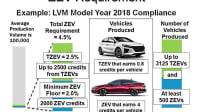
Automotive Engineering
Jaguar Unveils Twin-Motor I-Pace Battery-Electric Crossover
Aerospace & Defense Tech Briefs
MagniX and AeroTEC to Fly All-Electric ECaravan May 28
Automotive Engineering
Electric Vehicle Interface Controller
Automotive Engineering
SAE Is Working with Euro JV on Fast-Charging Network
Off-Highway Engineering
Fan Controller Family
Top Stories
INSIDERManufacturing & Prototyping
 How Airbus is Using w-DED to 3D Print Larger Titanium Airplane Parts
INSIDERManned Systems
 FAA to Replace Aging Network of Ground-Based Radars
NewsTransportation
 CES 2026: Bosch is Ready to Bring AI to Your (Likely ICE-powered) Vehicle
NewsSoftware
 Accelerating Down the Road to Autonomy
EditorialDesign
 DarkSky One Wants to Make the World a Darker Place
INSIDERMaterials
 Can This Self-Healing Composite Make Airplane and Spacecraft Components Last...
Webcasts
Defense
 How Sift's Unified Observability Platform Accelerates Drone Innovation
Automotive
 E/E Architecture Redefined: Building Smarter, Safer, and Scalable...
Power
 Hydrogen Engines Are Heating Up for Heavy Duty
Electronics & Computers
 Advantages of Smart Power Distribution Unit Design for Automotive...
Unmanned Systems
 Quiet, Please: NVH Improvement Opportunities in the Early Design...
