




Next-Gen Seatbelt Retractor
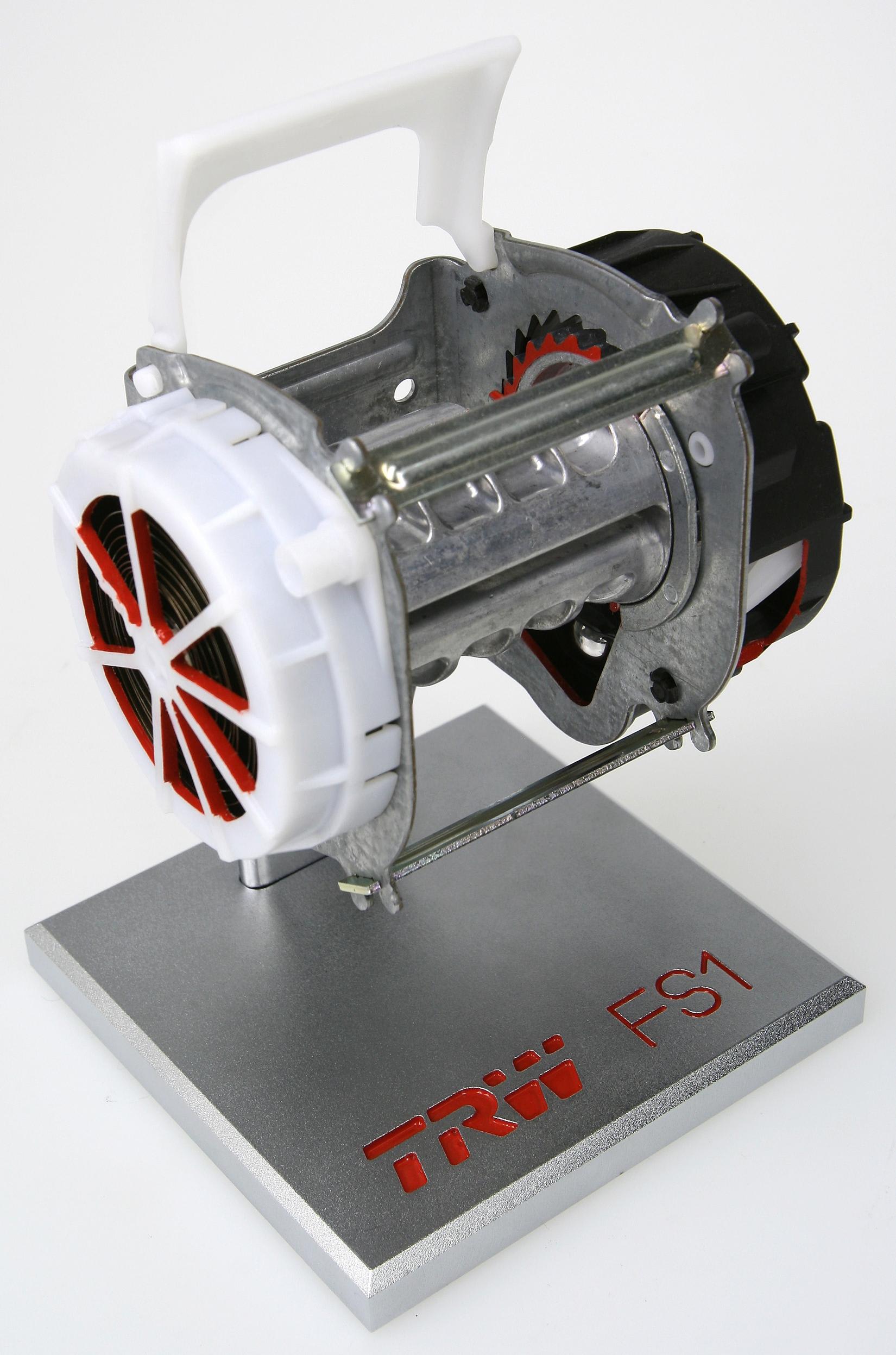
TRW Automotive Holdings Corp. has launched its next-generation seatbelt retractor, the Floating Spool 1 (FS1), which offers reduced weight (about 15% lighter) and smaller dimensions compared to previous systems, according to the company. Production of the global FS1 technology starts in the second quarter of 2014 with vehicle manufacturers in Asia, Europe, North America, and South America. In a crash scenario, unlike most seatbelt retractors, which use a lock pawl to hold the webbing in place, the new design features fewer components and uses the forward movement of the occupant to apply force to the webbing. This force on the webbing then moves the spool, locking the reactor. The simpler, standardized component design can easily be adapted to local market requirements while maintaining a highly competitive cost, says TRW. The new design can be produced using fully automated or semi-automated manufacturing processes. The FS1 can be used in both front- and rear-seat applications through the use of buckles and/or anchor pretensioners. It is also available both as a standard retractor without a load limiter or with a constant load limiter using a standard torsion bar. A child seat restraint feature, sensor blockout for folding seats, and a noise damping system are all optional functions.
More From SAE Media Group
Automotive Engineering
SAE WCX 2022: OEM Learnings from Level 2 ADAS
Automotive Engineering
NHTSA Mandates Rearview Camera Technology
Off-Highway Engineering
Scania Debuts Heavy-Truck Safety First: Rollover Side-Curtain Airbags
Automotive Engineering
Euro NCAP to Adopt Autonomous Vehicle Ratings
Automotive Engineering
Pedestrian-Avoidance Using Smart Devices at Aug. 10 SAE SV Meetup
Automotive Engineering
Ford Reveals Five-Row Side-Curtain Airbag, an Industry First
Automotive Engineering
LifeBelt Prevents Submarining
Automotive Engineering
SAE Pursues Standard for Engine-Off Airbag Deactivation
Autonomous Vehicle Engineering
Amending the Automated-Driving ‘Constitution’
Autonomous Vehicle Engineering
GM Announces Door-To-Door Ultra Cruise ADAS
Automotive Engineering
Johnson Controls Opens Crash Test Facility for Seat Safety
Automotive Engineering
Time for Standard Naming of Safety Features
Automotive Engineering
Crash Testing Advances on Many Fronts
Tech Briefs
Making EVs Accessible for All
Automotive Engineering
Volvo, Uber Share the Ride to Safety with Autonomy
Automotive Engineering
GM Restructuring Its Global Vehicle-Engineering Organization
Automotive Engineering
TRW Begins Production of Roof Airbags for Citroën
Automotive Engineering
Toyota Seeks Industry Joint Effort to Solve Takata Airbag Issue
Automotive Engineering
Suppliers Take the Tech Lead
Autonomous Vehicle Engineering
The Future of Automated Vehicle Cabins
Automotive Engineering
Ford Debuts New Airbag Design in 2015 Mustang
Automotive Engineering
GM Creates Global Product Integrity Team in Wake of Ignition-Switch Recall
Automotive Engineering
SAE Eye on Engineering Quick Take: New Standards for Self-Driving Cars
Autonomous Vehicle Engineering
Making the Strategic Move into AV Testing
Off-Highway Engineering
Cloud Simulation Assists Active-Safety Development for Electric Refuse Truck
Automotive Engineering
Autonomous Future Will Require New Product Development Approaches
Automotive Engineering
GM Creates New Executive Position to Oversee Safety Globally
Automotive Engineering
Time to End the Madness of EV Sales Subsidies
Automotive Engineering
More Attractive Kia Sedona Minivan on All-New Platform
Automotive Engineering
Minicars as Group Do Badly in IIHS Frontal Offset Crash Testing
Top Stories
INSIDERManufacturing & Prototyping
 How Airbus is Using w-DED to 3D Print Larger Titanium Airplane Parts
INSIDERManned Systems
 FAA to Replace Aging Network of Ground-Based Radars
NewsTransportation
 CES 2026: Bosch is Ready to Bring AI to Your (Likely ICE-powered) Vehicle
NewsSoftware
 Accelerating Down the Road to Autonomy
EditorialDesign
 DarkSky One Wants to Make the World a Darker Place
INSIDERMaterials
 Can This Self-Healing Composite Make Airplane and Spacecraft Components Last...
Webcasts
Defense
 How Sift's Unified Observability Platform Accelerates Drone Innovation
Automotive
 E/E Architecture Redefined: Building Smarter, Safer, and Scalable...
Power
 Hydrogen Engines Are Heating Up for Heavy Duty
Electronics & Computers
 Advantages of Smart Power Distribution Unit Design for Automotive...
Unmanned Systems
 Quiet, Please: NVH Improvement Opportunities in the Early Design...
