




SAE Publishes On-Route Mechanized Conductive EV Charging Systems Recommended Practices
SAE J-3105 promotes the safe implementation of mechanized conductive power transfer systems for recharging buses and heavy-duty vehicles.
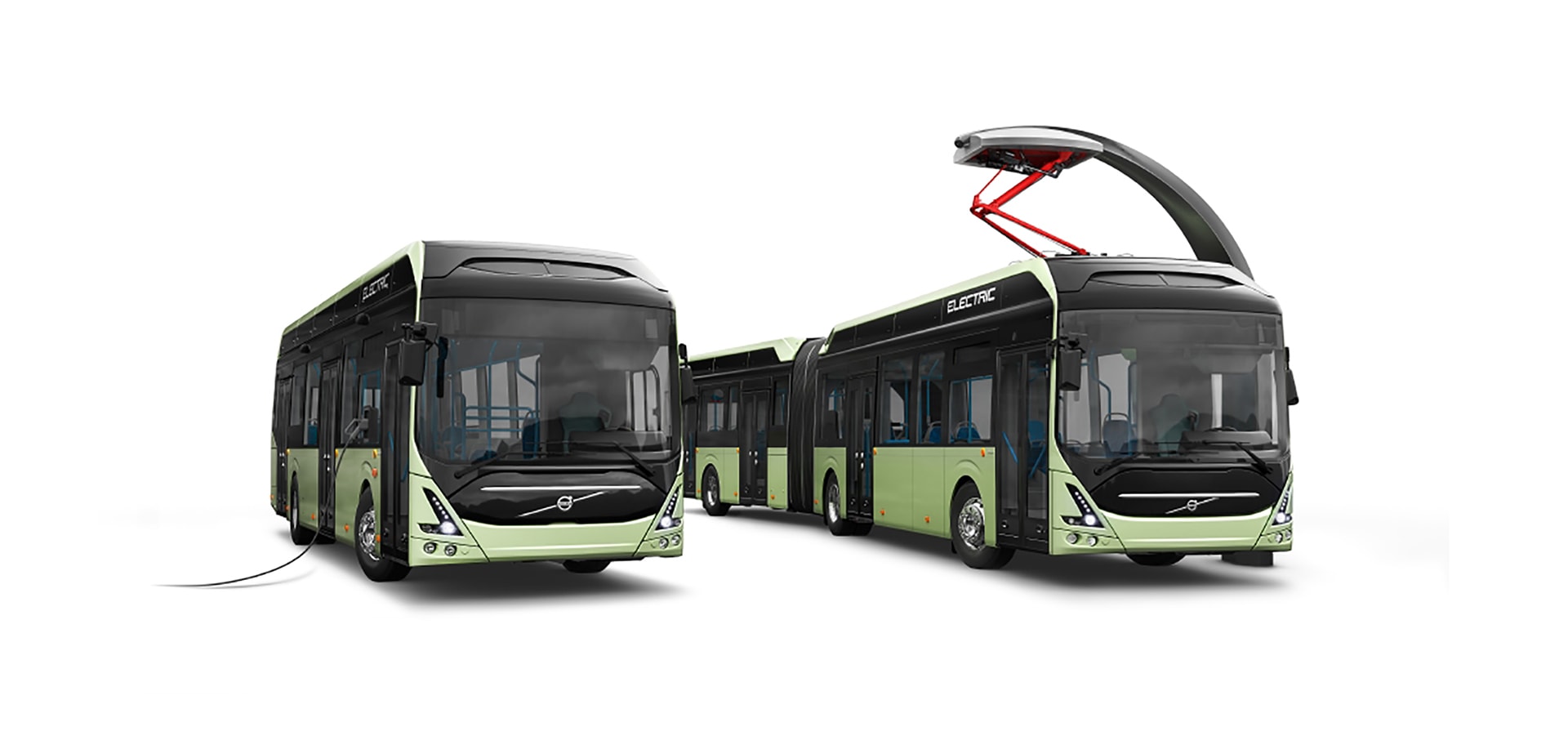
SAE International published SAE J-3105 Electric Vehicle Power Transfer System Using Conductive Automated Connection Devices Recommended Practice in January 2020. The document promotes the safe testing and performance of mechanized conductive power transfer systems. Written for buses and heavy-duty vehicles in general, SAE J-3105 encompasses the general physical, electrical, functional, testing and performance requirements for conductive power transfer primarily for vehicles using a conductive automated-charging-device (ACD) connection capable of transferring DC power.

As the EV market expands, the need for the continued standardization of DC power distribution remains, and SAE J-3105 addresses three interfaces required to ensure power delivery is consistent. It defines a conductive power transfer method including the curbside electrical contact interface, the vehicle connection interface, the electrical characteristics of the DC supply and the communication system. It also covers the functional and dimensional requirements for the vehicle-connection interface and supply-equipment interface.

“As the electric bus market expands in the United States, it is imperative that we modify our standards and approach to ensure safer and more reliable usage,” said Jack Pokrzywa, director of global ground vehicle standards, SAE International. “SAE J-3105 will guide this burgeoning industry to safe and efficient charging solutions that minimize downtime and promote long-term performance for heavy-duty applications.”
In addition to the main J-3105 Recommended Practice document, there are also three supplemental Recommended Practices – J-3105-1, J-3105-2 and J-3105-3 – that address requirements for a specific interface defined in the supporting document. All connections will use the common requirements established in the overall J-3105 document.
- SAE J3105-1: Infrastructure-Mounted Cross Rail Connection covers the relevant connection-interface requirements for an electric vehicle power transfer system using a conductive automated-connection device based on a cross-rail design. (See Figure 1)
- SAE J3105-2: Vehicle-Mounted Pantograph Connection covers the relevant connection-interface requirements for an electric vehicle power transfer system using a conductive automated-charging device based on a conventional rail vehicle pantograph design. (See Figure 2)
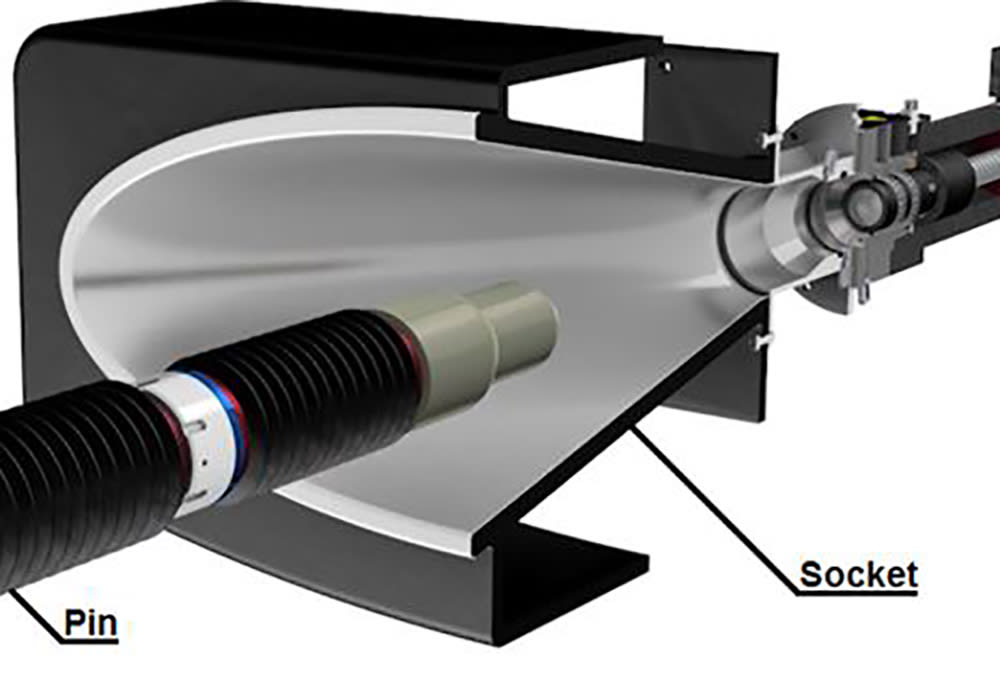
- SAE J3105-3: Enclosed Pin and Socket Connection covers the main safety and interoperability relevant requirements for an electric vehicle power transfer system using a conductive automated-charging device based on an enclosed pin and socket design. (See Figure 3)
The SAE Medium and Heavy-Duty Vehicle Conductive Charging Task Force committee, a part the SAE International Hybrid EV group, worked over the last four years to write J-3105 and follow it through the process to publication. “SAE J-3105 will help industry ensure that each connection type is safe and interoperable among manufacturers. The industry has been waiting for this Recommended Practice,” said Task Force Committee Chair Mark Kosowski, who is technical executive for the Electric Power Research Institute (EPRI).
Many individuals have been involved in the standard development work with approximately 20-25 experts in regular attendance at Task Force meetings. Participants involved include bus OEMs BYD, Gillig, New Flyer, Nova Bus, Opbrid, Proterra; charger manufacturers ABB, Heliox and Siemens; pantograph and connector makers Schunk, Stäubli, Stemmann; utilities EPRI, Sacramento Municipal Utility District (SMUD), Southern California Edison (SCE); transit fleets APTA, Chicago Transit Authority, King County Metro, Los Angeles County Metropolitan Transportation Authority, NY City Transit, plus Argonne National Labs and CTE.
Click here for more information or to purchase J-3105.
More From SAE Media Group
Off-Highway Engineering
Volta’s Electric Truck Is U.S. Bound
Off-Highway Engineering
WAVE Inductive Charging Purpose-Built for Large EVs
Off-Highway Engineering
Next Steps Toward Battery-Electric Class 8 Trucks
Off-Highway Engineering
Brownout for Commercial-Vehicle Electrification?
Off-Highway Engineering
Funding, Mandates Fuel Commercial-Vehicle Electrification
Automotive Engineering
New CHAdeMO 3.0 Aims to Harmonize Global EV Quick-Charging Standards
Automotive Engineering
Wireless Road Charging for EVs to Debut in 2023
Off-Highway Engineering
Canada Will Establish a Cross-Country Electric Vehicle Charging Network
Off-Highway Engineering
ZF, Freudenberg Developing Integrated Fuel-Cell and E-Drive System
Automotive Engineering
Focus for 2017: Cyber, Connected-Car, EV Charging, Vehicle Autonomy
Off-Highway Engineering
Lightning EMotors Announces EChassis for Commercial EVs
Off-Highway Engineering
Electrify America Accelerates DC Fast-Charger Installation
Off-Highway Engineering
Mega Push for Heavy-Duty EV Charging
Off-Highway Engineering
Tesla Semi “Crushes” SuperTruck 2 in Real-World Efficiency
Automotive Engineering
Reliability Is Key to Capturing EVSE Market Share
Off-Highway Engineering
Electrify America Wants an Emoji for Electric Vehicles
Automotive Engineering
Architecting GM’s New EV Batteries
Off-Highway Engineering
Quantron Launches 12-M Battery-Electric Bus; Fuel-Cell Variant to Follow
Automotive Engineering
For Aptiv, More EVs Mean More Profit with SVA
Off-Highway Engineering
Hydrogen ‘Inevitable’ for Commercial Vehicles
Off-Highway Engineering
Lightning EMotors Adapts to Changing Electrification Market
Off-Highway Engineering
Truck OEMs Invested in Infrastructure
Off-Highway Engineering
Zeroing in on Zero Emissions
Off-Highway Engineering
Nikola Producing Battery-Electric Trucks, Fuel-Cell EVs Coming
Autonomous Vehicle Engineering
May Mobility Starts ADA-Compliant AV Transit for Rural Area
Automotive Engineering
Battery Leasing Spurs VinFast’s EV Offensive
Automotive Engineering
The Bi-Directional Bonus for EVs
Automotive Engineering
Tariff Challenges, EV Advances at Mobility 360
Off-Highway Engineering
Batteries Not the Only Route to EV Efficiency
Off-Highway Engineering
Charging Infrastructure Coming – at a Cost
Top Stories
NewsRF & Microwave Electronics
 Microvision Aquires Luminar, Plans Relationship Restoration, Multi-industry Push
INSIDERAerospace
 A Next Generation Helmet System for Navy Pilots
INSIDERDesign
 New Raytheon and Lockheed Martin Agreements Expand Missile Defense Production
INSIDERMaterials
 How Airbus is Using w-DED to 3D Print Larger Titanium Airplane Parts
NewsPower
 Ford Announces 48-Volt Architecture for Future Electric Truck
ArticlesAR/AI

Webcasts
Electronics & Computers
 Cooling a New Generation of Aerospace and Defense Embedded...
Automotive
 Battery Abuse Testing: Pushing to Failure
Power
 A FREE Two-Day Event Dedicated to Connected Mobility
Unmanned Systems
 Quiet, Please: NVH Improvement Opportunities in the Early Design Cycle
Automotive
 Advantages of Smart Power Distribution Unit Design for Automotive &...
Energy
 Sesame Solar's Nanogrid Tech Promises Major Gains in Drone Endurance