




Automotive Engineering - October 2020
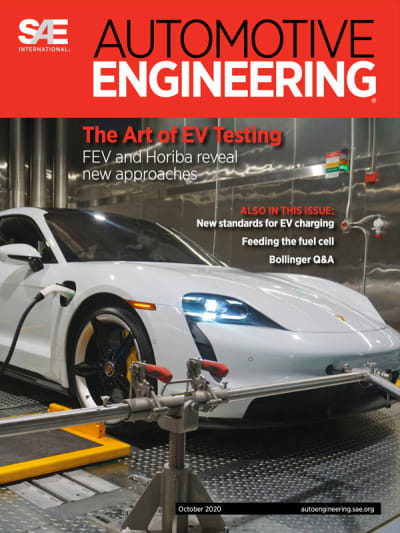
Inside this issue
Overview
This issue of Automotive Engineering magazine delves into the evolving landscape of the automotive industry, particularly in the context of networking, materials science, and electrification. The editorial highlights the challenges posed by the shift from in-person networking to virtual events, emphasizing the importance of personal interactions in fostering professional relationships and facilitating knowledge exchange. The editor, Lindsay Brooke, reflects on the value of attending conferences and the limitations of online formats, which often lack the depth of engagement found in live settings.
The magazine features a variety of articles that cover significant advancements and trends in automotive technology. One notable piece discusses the introduction of active roll stabilization systems for Audi's large crossovers, showcasing how innovative engineering can enhance vehicle performance and safety. This technology represents a critical step in improving driving dynamics, particularly in larger vehicles that may be more prone to roll during cornering.
In the materials section, the magazine highlights a call from a plastics executive for the establishment of standards to drive new material opportunities in the automotive sector. This reflects a growing recognition of the need for sustainable materials that can meet the demands of modern vehicle design while also addressing environmental concerns. Ford's vision for a broad portfolio of renewable materials, including the use of coffee, is also featured, illustrating the company's commitment to sustainability and innovation in material sourcing.
The issue also addresses the challenges and opportunities in the electrification of vehicles. A significant focus is placed on the development of cyber-secure electric vehicle (EV) charging systems, underscoring the importance of cybersecurity in the rapidly expanding EV market. As more consumers adopt battery-electric vehicles (BEVs), the infrastructure supporting these vehicles must evolve to ensure safety and reliability.
Additionally, the magazine discusses the production of all-composite EV wheel heads, which represent a breakthrough in lightweight materials that can enhance vehicle efficiency. This innovation aligns with the industry's broader goal of reducing weight to improve energy efficiency and performance in electric vehicles.
A thought-provoking article presents a critical perspective on the current reliance on battery-electric vehicles, suggesting that hydrogen fuel-cell vehicles (HFCVs) may offer a more sustainable alternative. The author argues that while BEVs are popular, they come with limitations such as weight and efficiency issues. The potential for hydrogen as a clean energy source is explored, along with the existing infrastructure for liquid fuel delivery, which could be adapted for hydrogen distribution.
The magazine also includes a Q&A section featuring an interview with Robert Bollinger, CEO and founder of Bollinger Motors, where he discusses Class-3 electric trucks. This segment provides insights into the future of electric commercial vehicles and the unique challenges they face in the market.
Throughout the issue, the importance of innovation, sustainability, and safety in the automotive industry is emphasized. The articles collectively highlight how companies are adapting to changing consumer demands and regulatory pressures while striving to maintain competitive advantages through technological advancements.
In summary, this issue of Automotive Engineering magazine offers a comprehensive overview of the current state of the automotive industry, focusing on the interplay between technology, materials, and electrification. It underscores the necessity for ongoing innovation and collaboration within the industry to address the challenges of today and tomorrow, while also advocating for a return to personal networking as a vital component of professional growth and industry advancement.
Features
-
Articles
EVs Expand the Testing Envelope
An Exhaust Symphony in the Key of C8
The Inside Story on Rotary Position Sensors for Electric Vehicle Traction Motors
Regulars
-
What We're Driving
What We’re Driving: 2020 Nissan Sentra 2.0 SR CVT
-
Technology Reports
Plastics Exec Calls for Standards to Drive New Material Opportunities
All-Composite EV Wheel Heads to Production
Ford’s Mielewski Envisions Broad Portfolio of Renewable Materials
Stories
Top Stories
NewsRF & Microwave Electronics
 Microvision Aquires Luminar, Plans Relationship Restoration, Multi-industry Push
INSIDERAerospace
 A Next Generation Helmet System for Navy Pilots
INSIDERDesign
 New Raytheon and Lockheed Martin Agreements Expand Missile Defense Production
INSIDERMaterials
 How Airbus is Using w-DED to 3D Print Larger Titanium Airplane Parts
NewsPower
 Ford Announces 48-Volt Architecture for Future Electric Truck
ArticlesAR/AI

Webcasts
Electronics & Computers
 Cooling a New Generation of Aerospace and Defense Embedded...
Automotive
 Battery Abuse Testing: Pushing to Failure
Power
 A FREE Two-Day Event Dedicated to Connected Mobility
Unmanned Systems
 Quiet, Please: NVH Improvement Opportunities in the Early Design Cycle
Automotive
 Advantages of Smart Power Distribution Unit Design for Automotive &...
Energy
 Sesame Solar's Nanogrid Tech Promises Major Gains in Drone Endurance