




Built-In Smart Sensors Can Prevent Lithium-Ion Battery Fires Before They Start
New smart sensors can help detect dangerous internal failures in lithium-ion batteries before they escalate into fires or explosions.
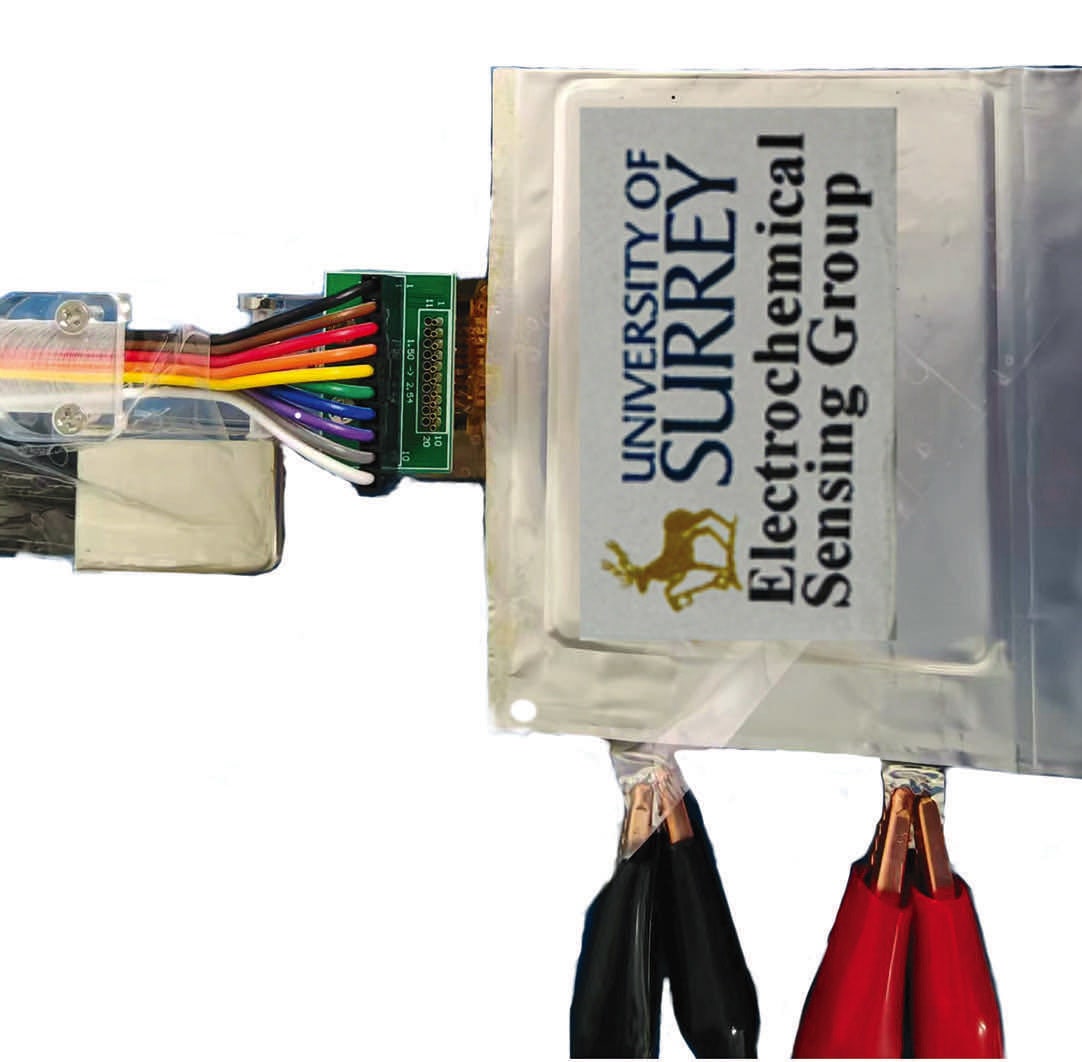
New smart sensors can help detect dangerous internal failures in lithium-ion batteries before they escalate into fires or explosions, say researchers from the University of Surrey. Lithium-ion batteries are at the heart of the global shift to electric vehicles and renewable energy — but when they fail, the results can be devastating.
Unlike current sensors that sit on the outside of the battery and react too slowly, Surrey’s advanced sensors are embedded directly inside to monitor temperature, pressure, stress, and chemical changes in real time, providing early warnings and even triggering built-in fire suppression features.
Designed to be scalable, low-cost and compatible with existing battery manufacturing processes, the technology paves the way for safer and more reliable electric cars, transportation, aviation and energy storage systems.
Dr Kai Yang, Lecturer in Energy Materials and Nanotechnology at the University of Surrey’s Advanced Technology Institute, said: “We’ve all heard the stories about lithium-ion battery fires and how notoriously difficult they are to extinguish. The best approach is to stop them from starting in the first place. Our technology could be a real game-changer for many critical industries.
“The smart sensors are built directly into key battery components such as current collectors and separators, providing fast, accurate readings from the inside. They don’t just monitor heat — they actively respond to it using fire-resistant materials to slow down overheating.”
With lithium-ion batteries among the most expensive components in modern technology, in-built smart sensors could offer greater potential to extend battery lifespan and allow for safer recycling of valuable materials — unlocking new possibilities for applications in highrisk sectors such as aviation, maritime transport, and aerospace, where reliability is critical.
Professor Ravi Silva, Director the Advanced Technology Institute at the University of Surrey, said: “The sale of new petrol and diesel cars will be banned in the UK from 2035, but safety — especially the risk of battery fires — remains one of the biggest concerns. These battery sensors are essential to improve safety and sustainability without sacrificing performance. This is the innovation we need to achieve net-zero targets, all the while supporting industry and delivering real benefits to end users.”
The University of Surrey already filed for a patent for the technology and is actively seeking collaboration with academic and industry partners. The innovation also supports the UN’s Sustainable Development Goal for clean energy and has the potential to generate new patents, spin-out companies, and skilled jobs, strengthening the UK’s position as a global leader in battery technology.
For more information, contact Dr. Kai Yang at
More From SAE Media Group
Battery Technology
Advancing Battery Technology: THE 2021 BATTERY SHOW Preview
Battery & Electrification Technology
A Cleaner, Scalable Process to Recycle Lithium-Ion Batteries
Tech Briefs
How Compressed Air Led to a Battery Breakthrough

Battery & Electrification Technology
New Products

Battery & Electrification Technology
Testing the Engineering Limits for eVTOL Battery Power


Battery & Electrification Technology
Glassy Electrolyte Holds Promise for an All-Solid-State Sodium Battery
Battery & Electrification Technology
An Alternative to Lithium-Ion Batteries
Battery & Electrification Technology
New Battery Cathode Material Could Revolutionize EV Market and Energy Storage
Battery & Electrification Technology
Researchers Unveil Scalable Graphene Technology to Revolutionize Battery Safety and Performance
Battery & Electrification Technology
Advancing Battery Technology: The 2023 Battery Show Preview


Automotive Engineering
Freudenberg Battery Lab Design Considered Human, Environmental Safety

Automotive Engineering
Sensing to Solve EV Thermal Challenges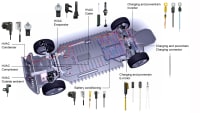
Tech Briefs
Sensors Eliminate Sparking in Hydrogen Vehicles



Sensor Technology
Sensors — Powering the Future of Transportation
Electronics & Sensors INSIDER
Self-Powered Sensor Automatically Harvests Magnetic Energy
Aerospace & Defense Tech Briefs
Improving Battery Design for eVTOL Aircraft With Simulation
Battery & Electrification Technology
The Impact of Fast Charging on the EV Charging Chain
Top Stories
NewsSensors/Data Acquisition
 Microvision Aquires Luminar, Plans Relationship Restoration, Multi-industry Push
INSIDERRF & Microwave Electronics
 A Next Generation Helmet System for Navy Pilots
INSIDERWeapons Systems
 New Raytheon and Lockheed Martin Agreements Expand Missile Defense Production
NewsAutomotive
 Ford Announces 48-Volt Architecture for Future Electric Truck
INSIDERAerospace
 Active Strake System Cuts Cruise Drag, Boosts Flight Efficiency
ArticlesTransportation

Webcasts
Aerospace
 Cooling a New Generation of Aerospace and Defense Embedded...
Energy
 Battery Abuse Testing: Pushing to Failure
Power
 A FREE Two-Day Event Dedicated to Connected Mobility
Automotive
 Quiet, Please: NVH Improvement Opportunities in the Early Design Cycle
Electronics & Computers
 Advantages of Smart Power Distribution Unit Design for Automotive &...
Unmanned Systems
 Sesame Solar's Nanogrid Tech Promises Major Gains in Drone Endurance