




EV Battery Safety: Advanced Coatings, Composite Solutions for Fire and Blast Protection
Innovative materials for safer, more efficient electric vehicle battery packs.
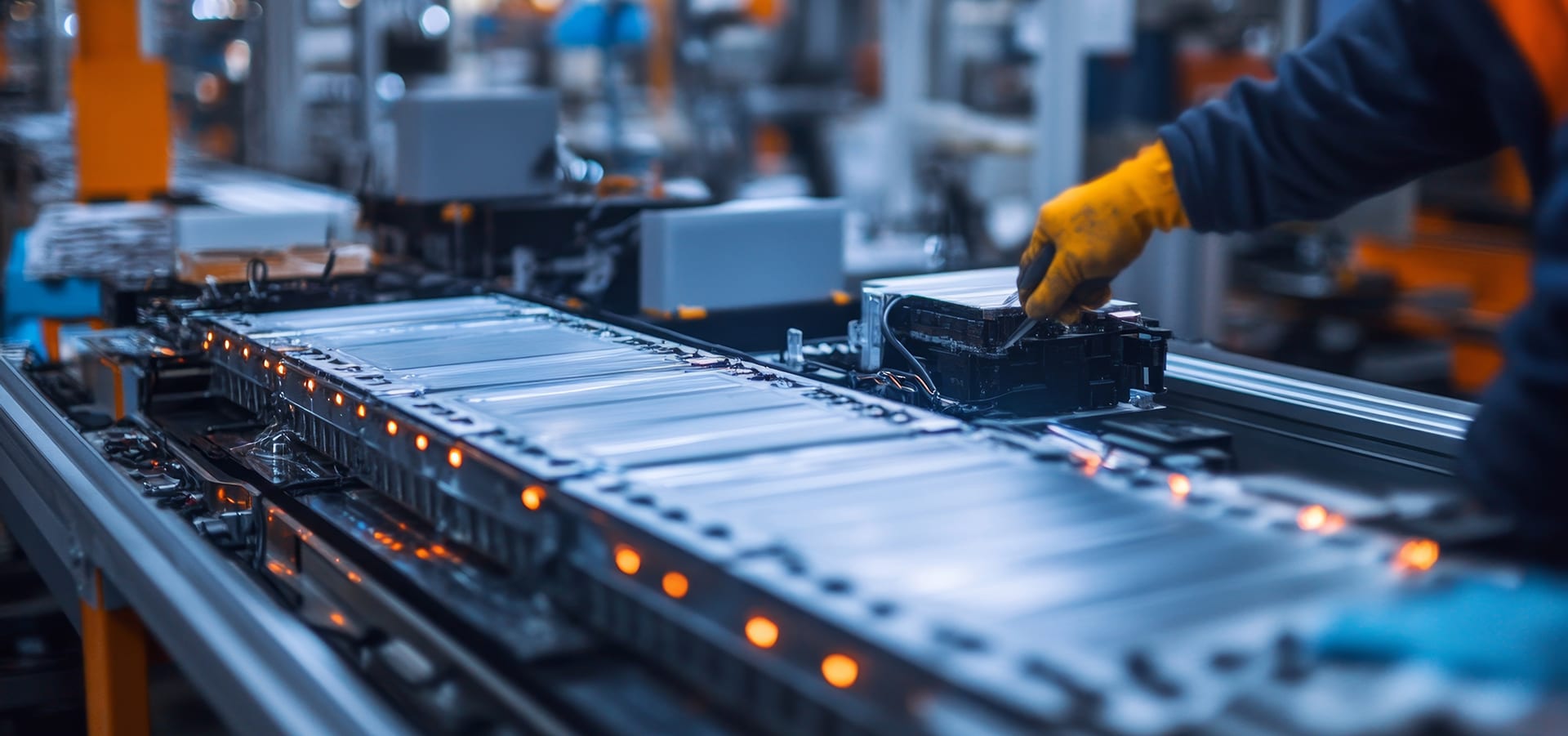
Thermal runaway in electric vehicle (EV) batteries is rare, but it can happen, producing smoke, fire, and explosions. This uncontrollable, self-heating state can transfer intense heat to adjacent cells and cause pressure buildups that exceed the mechanical limits of cell casings. Since the gases that can form inside a battery cell are flammable, a spark or other ignition source could propagate fire or lead to an explosion and cause the violent venting of shrapnel or particulates, putting vehicle occupants and emergency responders at risk.
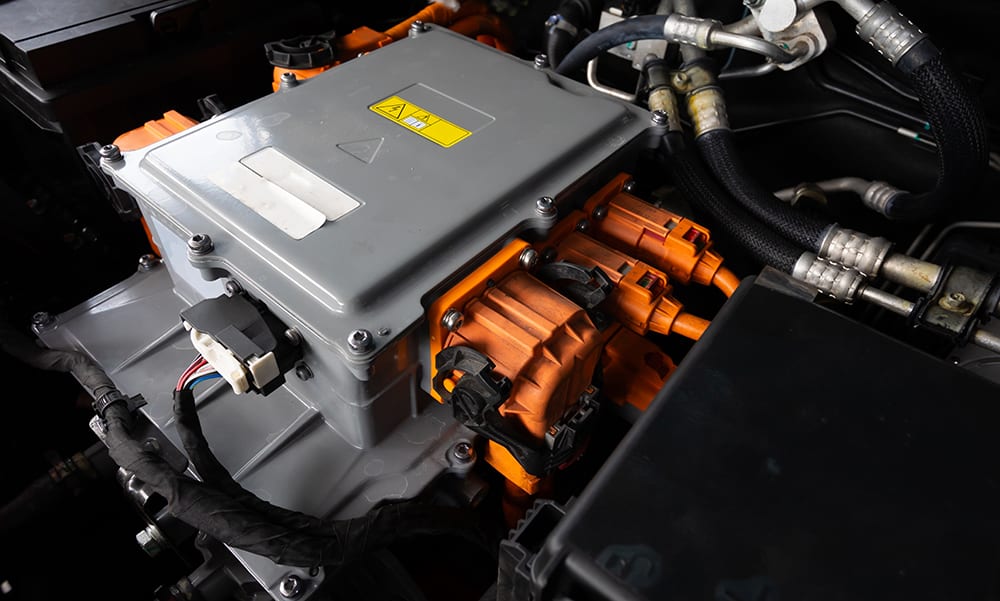
To support EV safety, silicone thermal management materials are placed between battery cells and between battery modules. For battery pack enclosures, however, mica sheets traditionally have been used as protective barriers. Mica provides thermal and electrical insulation, but sheets made of this mineral are limited in terms of thermal performance, mechanical durability, processability, and sustainable sourcing. To address these challenges, advanced silicone-based coatings and fiber-reinforced composite systems offer a transformative approach to the safety and manufacturing efficiency of battery enclosures and other EV battery components.
Next-generation, one-part silicone-based coatings that are designed for fire and blast protection resist flames and help contain violent venting by ceramifying at the high temperatures associated with thermal runaway incidents. Unlike traditional mica sheets, these coatings support automated dispensing for high-volume production. Plus, compared to two-part coatings, these new one-part coatings do not require time-consuming mixing. Manufacturers can also precisely dispense a thin layer of this material onto a battery pack surface instead of spraying the coating, which can generate material waste and requires covering or masking of areas that should not be sprayed.

Additionally, advanced fire- and blast-resistant coatings can accommodate the vertical surfaces and deep troughs associated with EV lids and side panels. These materials also resist sagging on vertical panels and can fill the recessed areas that are used as cooling channels or to manage and direct the flow of hot gases away from other battery cells in the event of thermal runaway. This helps mitigate both thermal and electrical hazards.
To further enhance safety and reliability for EV battery enclosures, fire- and blast-resistant coatings can be used in conjunction with next-generation, fiber-reinforced composite systems, such as flame-retardant polyurethane pultrusion solutions that provide significant performance, efficient processing, and cost advantages. These composite systems offer structural reinforcement, thermal insulation, and resistance to flame and grit. Their scalable design also supports continuous, high-throughput production across both simple and complex geometries.
Together, silicone coatings and flame-retardant polyurethane pultrusion solutions provide high-performance alternatives to traditional materials like mica and can be tailored to meet specific application needs while aligning with evolving safety standards. As EVs become more mainstream, these two advanced material technologies will be essential for building safer, more efficient, and future-ready battery systems.
Luc Dusart is global marketing manager of Mobility & Transportation at Dow and wrote this article for SAE Media.
More From SAE Media Group
Battery & Electrification Technology
Researchers Unveil Scalable Graphene Technology to Revolutionize Battery Safety and Performance

Automotive Engineering
Freudenberg Battery Lab Design Considered Human, Environmental Safety
Automotive Engineering
NAWA Aims for 5-Minute EV Charge
Automotive Engineering
SAE J-3277 Covers Leak Testing for Every EV Battery
Battery & Electrification Technology
New Gel Polymer Electrolyte to Revolutionize the Safety of Li-ion Batteries
Tech Briefs
Solid-State Lithium-Sulfur Battery Tech
Battery & Electrification Technology
A New Way to Enhance Durability of Lithium Batteries
Tech Briefs
New Fluids Coming for EV Thermal Management
Battery Technology
Greater Precision for EV Battery Leak Testing
Automotive Engineering
Constellium Develops New Alloys for EV Battery Enclosures
Battery Technology
New Approach Makes Lighter, Safer Lithium-Ion Batteries

Aerospace & Defense Tech Briefs
Improving Battery Design for eVTOL Aircraft With Simulation
Tech Briefs
Large Format Li-Ion Calorimeter

Battery Technology
Venting for EV Battery Packs
Automotive Engineering
Reducing the Weight of EV Batteries with Specialty Thermoplastics

Automotive Engineering
How Emerging Technologies Can Transform EV Battery Reliability and Safety
Battery & Electrification Technology
Cheaper and Safer Battery Storage
Automotive Engineering
Deep Breathing for EV Batteries
Tech Briefs
Wearable Cooling and Heating Patch
Battery & Electrification Technology
Powering the Future of Electric Vehicles with Safer, Lighter Batteries

Battery & Electrification Technology
Improving Battery Performance with More Efficient Electrodes
Power Electronics INSIDER
Continuously Tunable Thermal Regulators for Batteries and Electronic Devices

Battery & Electrification Technology
Examining EV Battery Thermal Management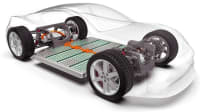
Top Stories
NewsSensors/Data Acquisition
 Microvision Aquires Luminar, Plans Relationship Restoration, Multi-industry Push
INSIDERRF & Microwave Electronics
 A Next Generation Helmet System for Navy Pilots
INSIDERWeapons Systems
 New Raytheon and Lockheed Martin Agreements Expand Missile Defense Production
NewsAutomotive
 Ford Announces 48-Volt Architecture for Future Electric Truck
INSIDERAerospace
 Active Strake System Cuts Cruise Drag, Boosts Flight Efficiency
ArticlesTransportation

Webcasts
Aerospace
 Cooling a New Generation of Aerospace and Defense Embedded...
Energy
 Battery Abuse Testing: Pushing to Failure
Power
 A FREE Two-Day Event Dedicated to Connected Mobility
Automotive
 Quiet, Please: NVH Improvement Opportunities in the Early Design Cycle
Electronics & Computers
 Advantages of Smart Power Distribution Unit Design for Automotive &...
Unmanned Systems
 Sesame Solar's Nanogrid Tech Promises Major Gains in Drone Endurance