




SAE Books: Vehicle Fire Safety with Erbis Biscarri
Author turns classroom quest into a tome for anyone who wants to engineer safer cars.
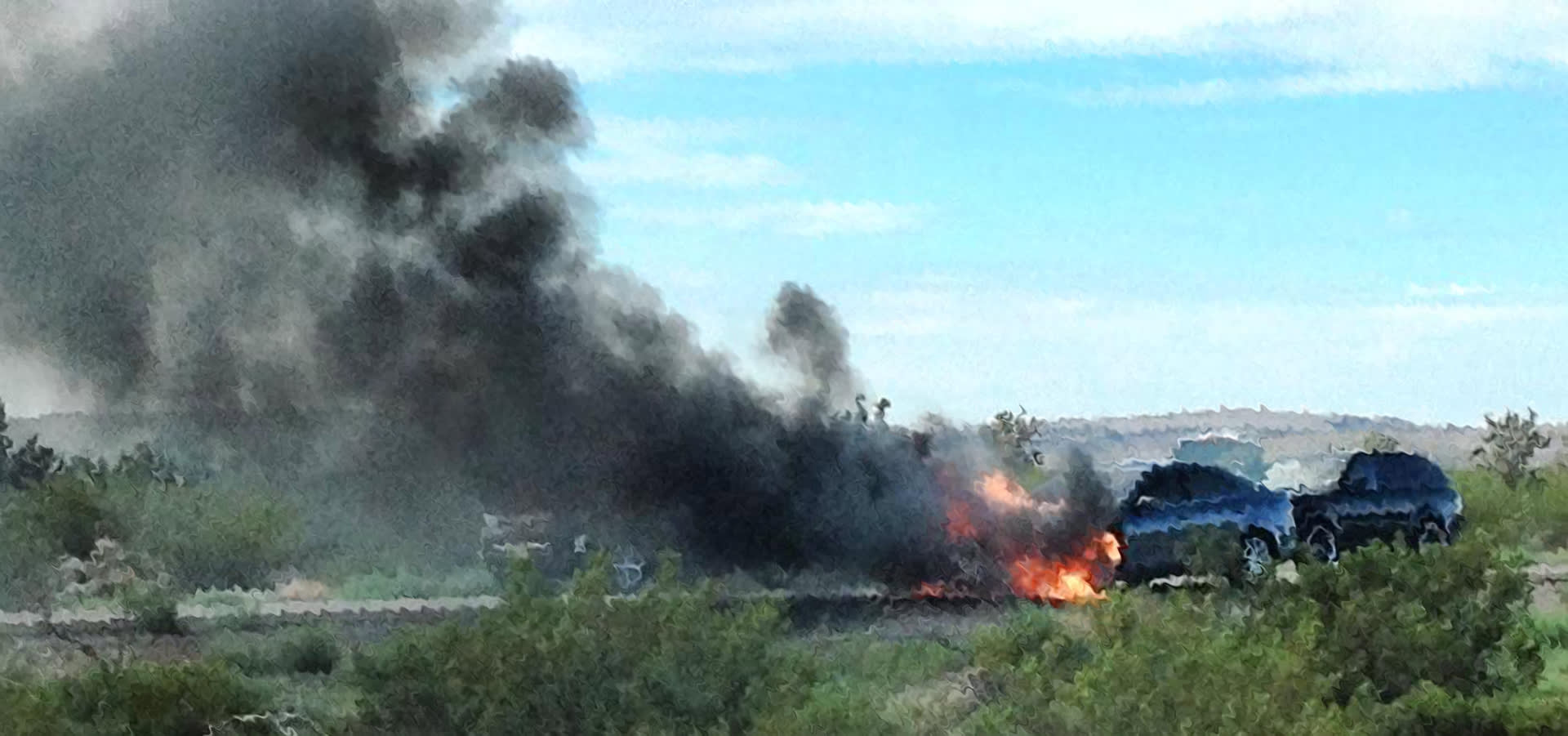
A seasoned engineer with a multi-discipline background in electronics, manufacturing systems, and forensic analysis, Erbis Biscarri brought decades of experience to the topic of automotive safety in his latest work. Biscarri’s book, Fires in Conventional and Electrified Vehicles: Theory, Prevention, and Analysis, published by SAE International, offers a comprehensive guide to one of the industry’s most pressing challenges: vehicle fire safety.

In addition to technical analysis, Biscarri said, the book helps clarify common misconceptions, especially those surrounding electric vehicle fires, by grounding the discussion in documented incident data and established technological principles.
“This book is both technical and investigative,” he told SAE Media. “It’s designed to help engineers, students, safety and forensic professionals understand the full spectrum of fire-related mechanisms in vehicles, whether powered by combustion engines or electrified drivetrains.”
Biscarri’s academic foundation began in electronics engineering at the University of São Paulo, followed by a master’s in manufacturing systems engineering from the University of Michigan. His career spans product design, development, and forensic analysis, with roles at Ford Electronics, Visteon, Johnson Controls, and Peugeot-Citroën. He also contributes to forensic engineering efforts for Brazil’s judiciary system and currently teaches SAE courses on fire safety and investigation, bridging theory with practical applications.
The idea for the book emerged from his teaching experience. “I realized there wasn’t a single textbook that covered everything I needed to teach,” he said. “So, when SAE offered me the opportunity to write one, I knew it was time to create a resource that could truly support the current and next generation of engineers.”
The book is structured into three distinct sections:
- Theory: the foundation for understanding fire mechanisms and dynamics in vehicles
- Prevention: strategies to mitigate fire risks across various vehicle types
- Analysis: presenting robust investigative methodologies and real-world case studies
Together, these sections explore the causes and consequences of vehicle fires, from thermal runaway in lithium-ion batteries to fuel system failures in internal combustion engines. The book incorporates recent fire statistics and large-scale incidents to highlight growing concerns around vehicle fire safety. It also examines investigative techniques, regulatory frameworks, and prevention strategies, supported by data-driven analysis and field experience.
Importantly, Biscarri embraces complexity. Some case studies in the book end without a definitive cause, an intentional reflection of the ambiguities often faced by forensic engineers.
“In the real world, not every fire incident has its root cause clearly identified,” he said. “That’s why it’s essential to master a wide range of investigative approaches and recognize the eventual limitations of available evidence.”
Biscarri said early readers of the text have praised the book’s clarity and depth, noting its value as a practical resource for professionals involved in vehicle fire analysis. Biscarri said the feedback proved he had hit his target of distilling decades of hands-on experience into an accessible and authoritative engineering education text that’s rooted in practicality.
“Theory is important, but it’s only part of the picture,” he said. “What matters most is how we apply that theory to real-life challenges: how we design safer systems, respond to incidents, and continuously improve our understanding.”

Beyond technical expertise, Biscarri said he advocates for interdisciplinary collaboration in automotive safety. He emphasizes the need for cooperation between engineers, regulators, and emergency responders, especially as vehicles become more complex and electrified.
“Safety isn’t just an engineering problem, it’s a societal one,” he said. “We need to think holistically about how we protect people and property.”
Biscarri said he hopes to spark a deeper conversation about fire safety in the age of electrification with Fires in Conventional and Electrified Vehicles.
“This book is for anyone who wants to understand the risks and responsibilities that come with building and operating modern vehicles,” he said. “It’s about equipping people with the knowledge they need to make informed decisions and, ultimately, to save lives.”
More From SAE Media Group
Aerospace & Defense Tech Briefs
SAE International Extends Call for Abstracts, Seeks Submissions for AeroTech Conference
Battery Technology
Advancing Battery Technology: THE 2021 BATTERY SHOW Preview
Aerospace & Defense Tech Briefs
SAE International Issues, Revises Technical Reports for Aerospace Engineering
Aerospace & Defense Tech Briefs
Industry Invited to Participate in AeroTech Aerospace and Defense Technical Program
Automotive Engineering
Battery Leasing Spurs VinFast’s EV Offensive
Automotive Engineering
BYD’s Blade Runner
Automotive Engineering
Hercules Readies Alpha Electric Pickup Prototypes
Automotive Engineering
Novelis Creates First Aluminum Sheet Battery Enclosure for Mass Electric Vehicle Production
Off-Highway Engineering
Addressing Electromagnetic Compatibility in the Context of Aircraft Electrification
Automotive Engineering
Automated Vehicle Safety Series Addresses Design, Testing, Verification, and Validation

Tech Briefs
2025 Rising Star Awards Winners
Off-Highway Engineering
ABS Ramps up Commercial-Vehicle Battery-Pack Assembly
Battery Technology
Hybrid Membrane Doubles the Lifetime of Rechargeable Batteries
Aerospace & Defense Tech Briefs
AIA Predicts Flying Air Taxis, Supersonic Air Travel, and Space Industry for 2050
Tech Briefs
RISING STAR AWARDS 2025 WINNERS ANNOUNCED
Tech Briefs
RISING STAR AWARD RULES

Tech Briefs
2025 Award Finalists

Off-Highway Engineering
Hyundai CE Launches Next-Gen Electric Forklift
Aerospace & Defense Tech Briefs
Air Mobility Innovations Take Center Stage at Aerospace Systems and Technology Conference


Motion Design
Avoiding Electrical Damage with Conductive Lubrication
Automotive Engineering
GM: Ultium Heat-Pump System Boosts EV Range, Reduces Charge Times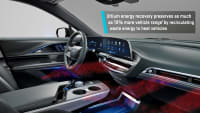
Battery Technology
Semi-Liquid Metal Anode
Tech Briefs
RISING STAR AWARDS 2024

Top Stories
NewsSensors/Data Acquisition
 Microvision Aquires Luminar, Plans Relationship Restoration, Multi-industry Push
INSIDERRF & Microwave Electronics
 A Next Generation Helmet System for Navy Pilots
INSIDERWeapons Systems
 New Raytheon and Lockheed Martin Agreements Expand Missile Defense Production
NewsAutomotive
 Ford Announces 48-Volt Architecture for Future Electric Truck
INSIDERAerospace
 Active Strake System Cuts Cruise Drag, Boosts Flight Efficiency
ArticlesTransportation

Webcasts
Aerospace
 Cooling a New Generation of Aerospace and Defense Embedded...
Energy
 Battery Abuse Testing: Pushing to Failure
Power
 A FREE Two-Day Event Dedicated to Connected Mobility
Automotive
 Quiet, Please: NVH Improvement Opportunities in the Early Design Cycle
Electronics & Computers
 Advantages of Smart Power Distribution Unit Design for Automotive &...
Unmanned Systems
 Sesame Solar's Nanogrid Tech Promises Major Gains in Drone Endurance