




A New AI-Powered Tool for Battlefield Medical Care
BAE Systems
Arlington, VA
This email address is being protected from spambots. You need JavaScript enabled to view it.
www.baesystems.com
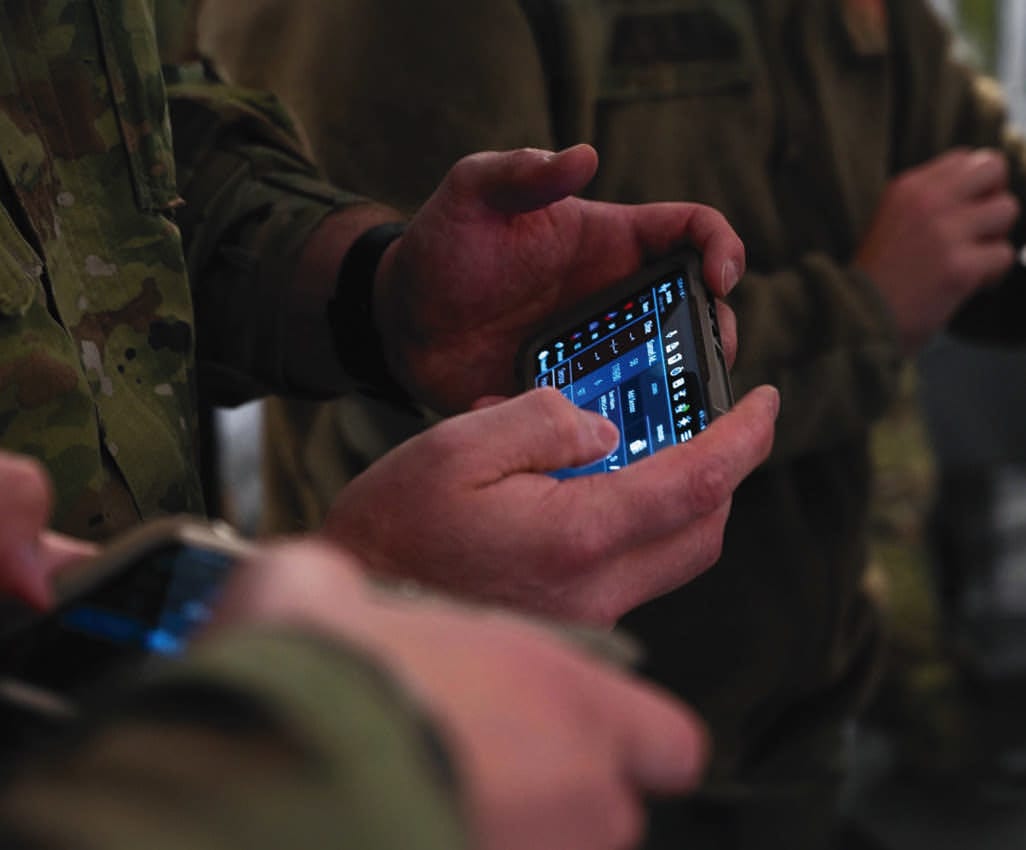
The Air Force Research Laboratory (AFRL) has selected BAE Systems to continue development and support deployment of the Battlefield Assisted Trauma Distributed Operations Kit (BATDOK®) through the new Force Optimization through Rapid-prototyping, Gear Enhancements & Innovative Technology (FORGE-IT) program.
Together, BATDOK® and FORGE-IT will improve and modernize the capabilities of warfighters to provide medical care for wounded servicemembers on the battlefield and ensure they receive proper treatment into long-term care.
BATDOK® is an AFRL application developed with the support of BAE Systems that creates a complete and reliable record of injuries and treatments from the point of injury through recovery. Traditionally, medical care administered on the battlefield is only recorded on paper. BATDOK® records medical care electronically, ensuring the details of a patient’s injury and field treatment are seamlessly transferred to the nurses and doctors providing ongoing care.
FORGE-IT will build on BATDOK®, continuing to enhance remote patient monitoring and improving medical care in the field through clinical decision support powered by embedded artificial intelligence capabilities.
“At BAE Systems, our goal has always been to protect those who protect us,” said Nathaniel Wiesner, vice president and general manager of Ground Systems & Services for BAE Systems Space & Mission Systems. “Through projects like FORGE-IT, we’re augmenting the abilities of our nation’s warfighters to provide critical medical care in high-threat scenarios and ensure that those who are wounded are given effective treatment in the field.”
Data collected by BATDOK® and FORGE-IT will be integrated into the Department of Defense’s Joint Operational Medicine Information Systems (JOMIS) care delivery platform, which ensures delivery of comprehensive health services for U.S. Armed Forces patients in deployed and home station medical care facilities.
Through this integration, these systems will help clinicians deliver effective care and make sure service members’ injuries are properly documented.
Visit Here
More From SAE Media Group
Medical Design Briefs
ObEN Creates Healthcare Avatar for MedStar Health Heart Disease Study
Medical Design Briefs
From the Editor — Report: Artificial Intelligence to Dominate Healthcare in 2022

Medical Design Briefs
From the Editor: Remote Cardiac Monitoring: Answering the Call of Telehealth

Medical Design Briefs
Exclusive Chair Interview: SMi’s Medical Wearables for Biosensors Virtual Conference
Medical Design Briefs
From the Editor - Will COVID-19 Accelerate the Acceptance of Telemedicine?
Medical Design Briefs INSIDER
MD&M Session to Focus on Blockchain, the Metaverse & Medtech
Podcasts
AI in MedTech
Medical Design Briefs
From the Editor - AI Medical Imaging Products Could Increase Five-Fold by 2035


Aerospace & Defense Tech Briefs
Enterprise Imaging System
Medical Design Briefs
2023 Tech Trends: Why Digital Health Will Lead to Improved Patient Care

Medical Design Briefs
FDA Establishes Advisory Committee on Digital Health Technologies
Medical Design Briefs
From the Editor - Survey: Do People Trust Artificial Intelligence in Healthcare?
Tech Briefs
When Every Second Counts, Choose COM-HPC® Mini
Medical Design Briefs INSIDER
Keynote: The Future of Healthcare Is Happening Now
Medical Design Briefs
From the Editor - AI Tops ECRI’s 2025 Health Tech Hazards List
Medical Design Briefs
HANDHELD AND WEARABLE DEVICES: Paving a New Path for Healthcare

Medical Design Briefs
COVID-19: FDA Expands Remote Patient Monitoring
Medical Design Briefs
BioSensics Launches Digital Health Platform for Seniors
Medical Design Briefs INSIDER
Consortium to Advance Digital Twins in Healthcare
Tech Briefs
Training the Next Generation of Surgeons With AI
Medical Design Briefs
From the Editor: Rebuilding Trust in Medical Devices

Medical Design Briefs
Product of the Month

Top Stories
NewsSensors/Data Acquisition
 Microvision Aquires Luminar, Plans Relationship Restoration, Multi-industry Push
INSIDERRF & Microwave Electronics
 A Next Generation Helmet System for Navy Pilots
INSIDERWeapons Systems
 New Raytheon and Lockheed Martin Agreements Expand Missile Defense Production
NewsAutomotive
 Ford Announces 48-Volt Architecture for Future Electric Truck
INSIDERAerospace
 Active Strake System Cuts Cruise Drag, Boosts Flight Efficiency
ArticlesTransportation

Webcasts
Aerospace
 Cooling a New Generation of Aerospace and Defense Embedded...
Energy
 Battery Abuse Testing: Pushing to Failure
Power
 A FREE Two-Day Event Dedicated to Connected Mobility
Automotive
 Quiet, Please: NVH Improvement Opportunities in the Early Design Cycle
Electronics & Computers
 Advantages of Smart Power Distribution Unit Design for Automotive &...
Unmanned Systems
 Sesame Solar's Nanogrid Tech Promises Major Gains in Drone Endurance