




Kia’s PBV Concepts Expand Commercial Possibilities
At CES 2024, Kia took its first steps into the light commercial vehicle market with a series of all-electric concepts called the Platform Beyond Vehicles.
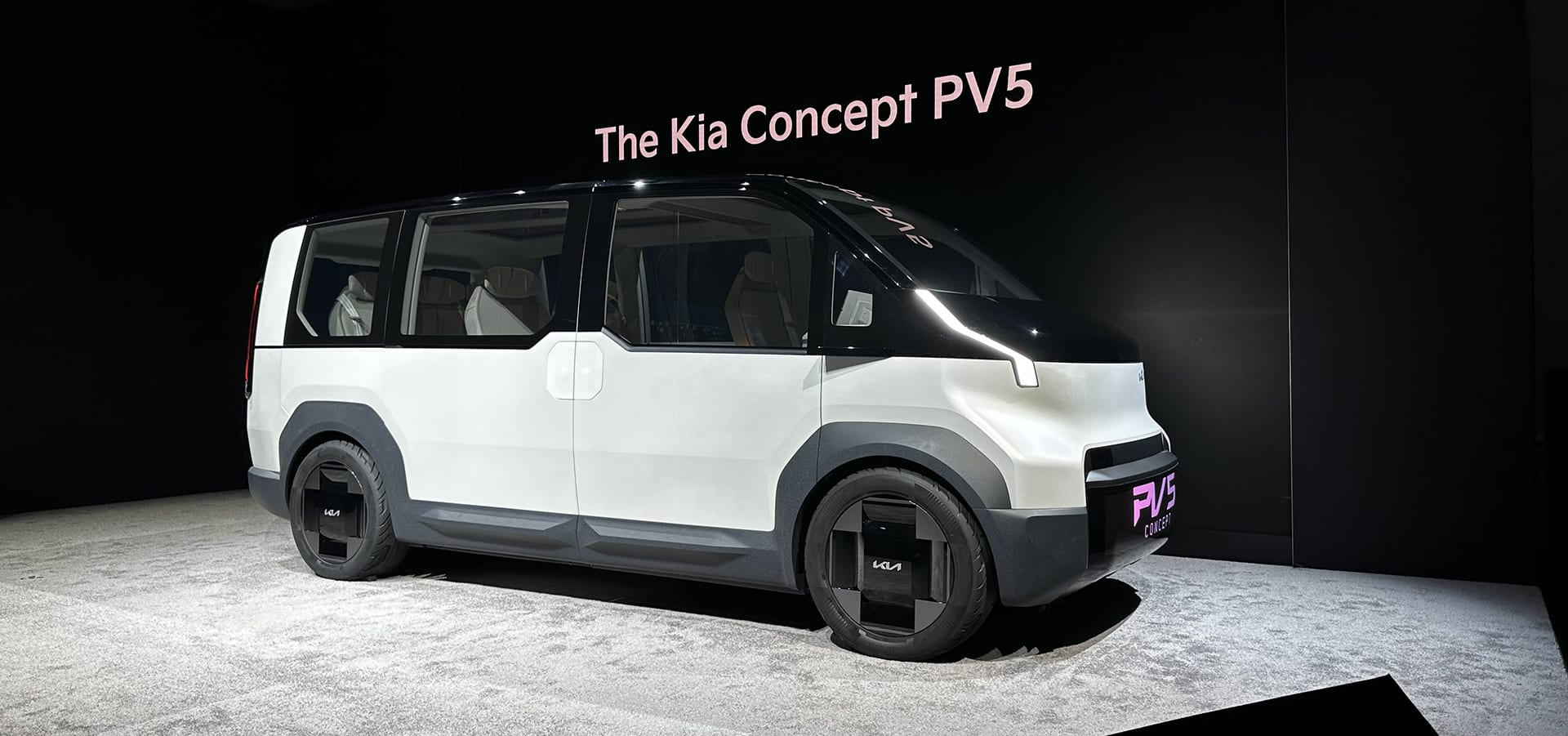
Kia’s entry into the light commercial vehicle market, launched at CES in Las Vegas, provided an overview of the potential range, from last-mile delivery vehicles to medium cargo vans. Kia’s Platform Beyond Vehicles (PBVs) will enter production with the PV5 in 2025 at a new PBV-dedicated plant in Hwaseong, Korea. The larger PV7 will follow between 2027 and 2032.
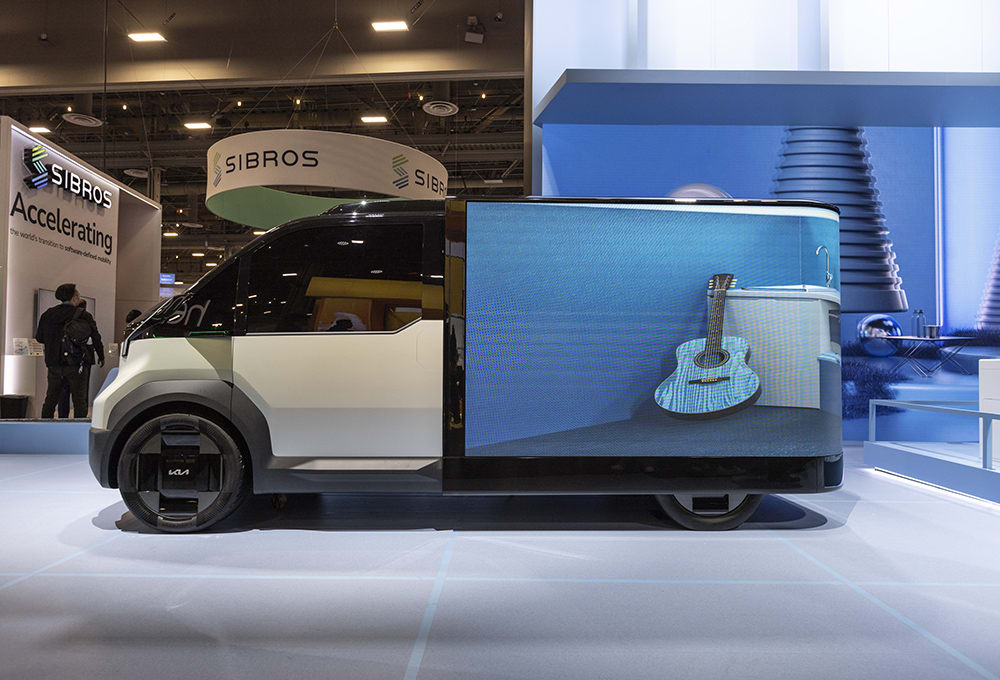
PV5, similar in size to the Ford Transit Connect, was always going to be the first of the range to enter production, according to executive vice president and head of Kia Global Design, Karim Habib. Design plans include a van, a high-roof van and a robot taxi. “The primary purpose was a business-to-business vehicle,” says Habib.“ The business-to-customer side was definitely not very high on the list at the beginning. It came in more and more as the product took shape and as we saw the potential for it, but the business-to-business side was definitely the most important, whether it's ride-hailing or delivery logistics.
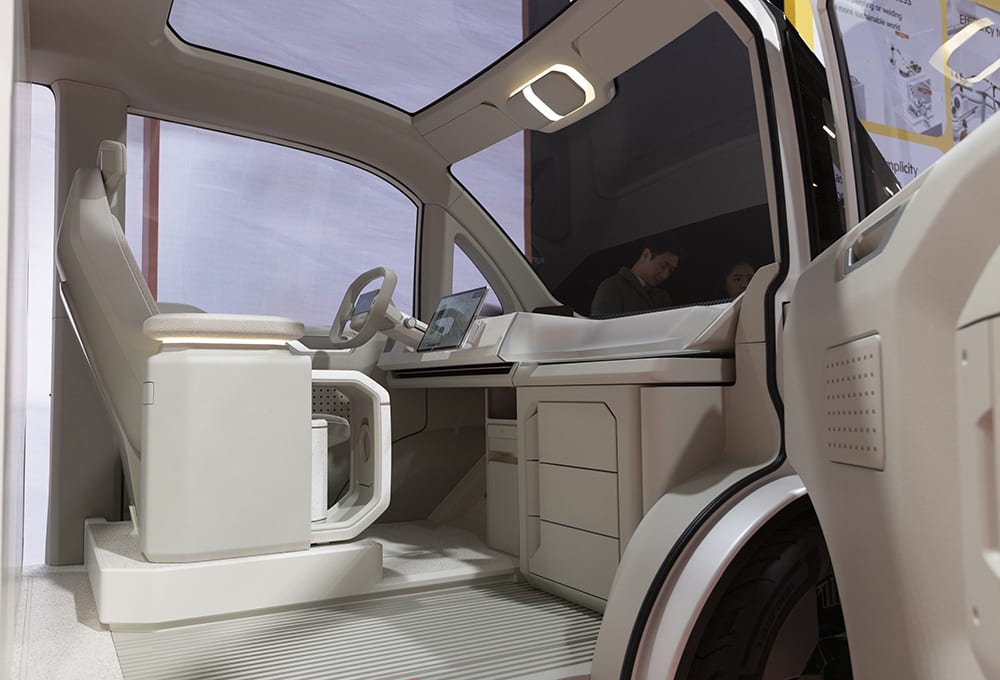
“It's a cool, rational kind of thing because we're designing more living spaces now, even when we're doing normal passenger cars, it's about making sure that the time you spend in the vehicle has value, it's not just about the driving. A van is the ultimate execution of that. The great thing about doing it on the EV side is that the overhangs can be much shorter; you don't have a front-wheel-drive layout with the engine in front of the axle. The wheelbase is much longer, the wheels are much bigger, and the vans have a great stance.”
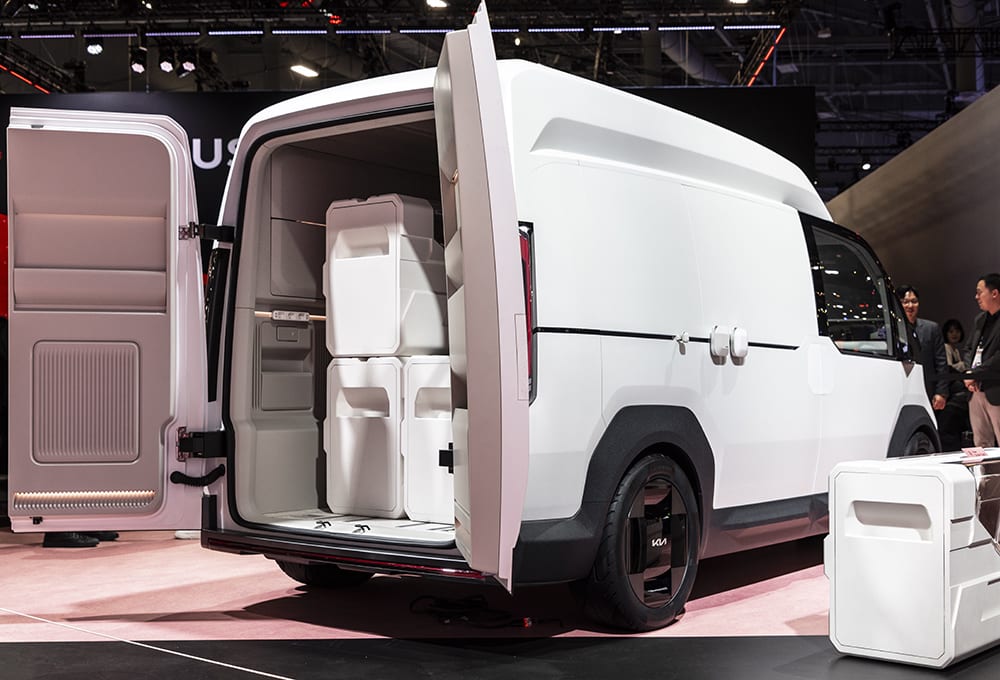

The design team didn’t just focus on designing the complete vehicle; it also turned its attention to areas that are usually handled by external converters and outfitters, Habib said,
“We designed the bare-bones, base one,” he said. We designed what would be an option out of the factory, and we also designed the accessories, but I’m talking here in terms of virtual. We did some mockups, nothing fully production-ready, and we would like to propose that to those third parties, for them to manufacture them, based on those principles.”
One of the design’s distinctive features is the apparent lack of headlamps. They’re there, just positioned in the gap above the front fender, where the air intake for cooling air in an internal combustion engine vehicle would be.
We wanted to place the headlamps up for two reasons. One is that it gives the vehicle a certain presence, but also because we didn’t want them low in the corners for crash damage reasons,” Habib said. “They’re inset, so they’re further in. They’re also recessed to protect them. The fenders are in three pieces so that the corners can be replaced, and the center can stay.”
Kia plans to sell around 300,000 units a year in 2030. Following the launch in Korea in 2025, the company plans to introduce the vehicles in North and South America, Europe, and other markets.
More From SAE Media Group
Automotive Engineering
Ford Puts More ‘Super’ into the All-New 2023 Super Duty
Automotive Engineering
Lotus Breaks out with New Eletre Electric SUV
Off-Highway Engineering
REE Unveils P7-C Chassis Cab at ACT Expo
Automotive Engineering
Tremec-Trification
Automotive Engineering
ICE and Hybrid-Electric Propulsion Show Staying Power
Off-Highway Engineering
Kia Takes Aim at Commercial Vans with PBV Concepts
Off-Highway Engineering
ZF Premieres AxTrax 2 Electric Axle Platform at ACT Expo
Off-Highway Engineering
Eaton and BAE Gear up a New Electrified Truck
Off-Highway Engineering
EV Startup Prepares to Enter Commercial Market with Novel EAxle
Automotive Engineering
Engineering ‘Electron Guzzlers’
Automotive Engineering
Volvo’s Polestar Powerhouse Plug-In Hybrid
Off-Highway Engineering
Mahindra Automotive Debuts First North American Off-Road Vehicle
Automotive Engineering
Extending the ICE Age: Ford’s Dave Filipe Has Some Powerful Choices to Make
Off-Highway Engineering
Hyundai’s Fuel-Cell Dreams Remain Xcient
Off-Highway Engineering
Hydrogen Shows Increased Commercial Interest
Automotive Engineering
Hau Thai-Tang Is Engineering a New Ford
Automotive Engineering
Stellantis Goes All-In on EVs
Automotive Engineering
Opel’s Revamped Engineering Mission
Automotive Engineering
Tension and the Electric Takeover
Off-Highway Engineering
Battery Innovation Key for Commercial and Off-Highway EVs
Off-Highway Engineering
Lightning EMotors Announces EChassis for Commercial EVs
Automotive Engineering
Ford Revisits OHV Layout, Big Displacement for New Commercial-Truck V8
Off-Highway Engineering
Western Star Adds ‘Weight Sensitive’ 47X to Vocational Lineup
Off-Highway Engineering
Nikola Reveals Range of Hydrogen Fuel Cell and Battery-Electric Vehicles
Off-Highway Engineering
Gasoline Fuels Growing Number of Commercial Vehicles
Off-Highway Engineering
Hybrid Powertrains in the Product Mix
Automotive Engineering
New Nissan Design Chief: One Foot in Design, One Foot in Engineering
Off-Highway Engineering
Western Star Ups Vocational-Truck Ante with All-New 49X
Off-Highway Engineering
Ford Expands EV Lineup with E-Transit Cargo Van
Automotive Engineering
Top Transmission Engineers Project Big Future for E-Axles, Advanced Motors
Top Stories
NewsRF & Microwave Electronics
 Microvision Aquires Luminar, Plans Relationship Restoration, Multi-industry Push
INSIDERAerospace
 A Next Generation Helmet System for Navy Pilots
INSIDERDesign
 New Raytheon and Lockheed Martin Agreements Expand Missile Defense Production
INSIDERMaterials
 How Airbus is Using w-DED to 3D Print Larger Titanium Airplane Parts
NewsPower
 Ford Announces 48-Volt Architecture for Future Electric Truck
ArticlesAR/AI

Webcasts
Electronics & Computers
 Cooling a New Generation of Aerospace and Defense Embedded...
Automotive
 Battery Abuse Testing: Pushing to Failure
Power
 A FREE Two-Day Event Dedicated to Connected Mobility
Unmanned Systems
 Quiet, Please: NVH Improvement Opportunities in the Early Design Cycle
Automotive
 Advantages of Smart Power Distribution Unit Design for Automotive &...
Energy
 Sesame Solar's Nanogrid Tech Promises Major Gains in Drone Endurance