




VinFast Confident VinES Battery-Tech Merger Will Make for Better EVs
The two companies within Vingroup’s corporate umbrella will merge; what that means for VinFast’s EVs

In October, Vietnam’s EV newcomer VinFast announced that it would merge with VinES Energy Solutions JSC, the battery-development and -manufacturing arm of its corporate owner Vingroup. The merger came about when Vingroup chairman Pham Nhat Vuong donated almost all — 99.8% — of VinES shares to VinFast. The companies said this merger would, “enhance VinFast’s self-sufficiency in battery technology and its production chain,” through the acqusition of VinES ’intellectual property.
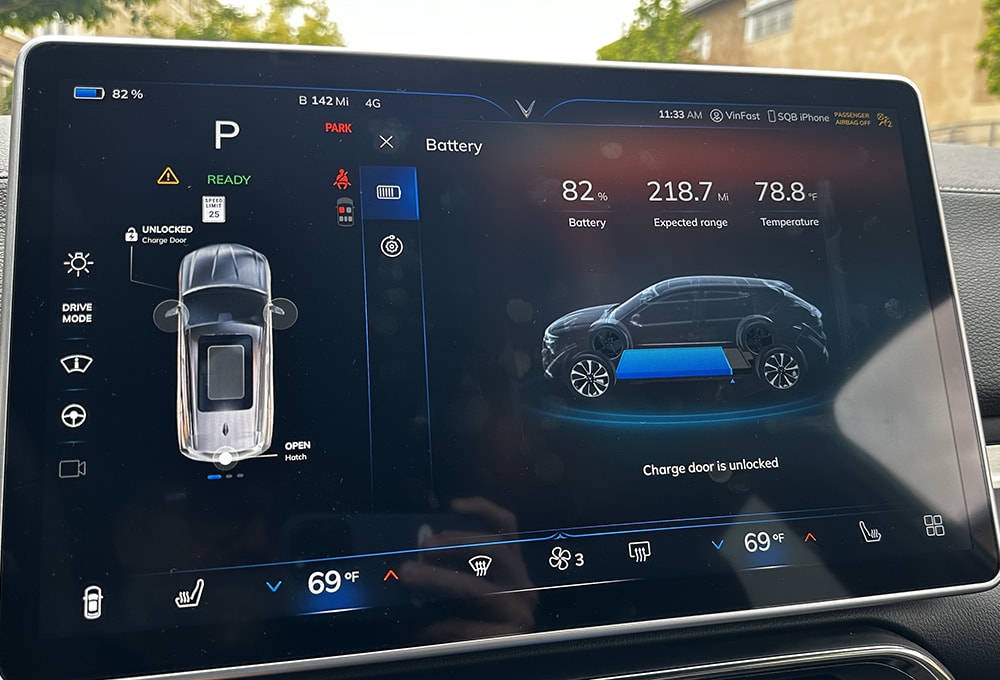
A VinFast spokesperson agreed to answer, via email, SAE Media’s questions about the terms of this deal. The conversation has been edited for clarity.
The SEC filing said that the acquisition will allow VinFast “to control its battery technology.” What, specifically, will the stock donation allow VinFast to do that it wasn’t able to do before the donation?
Previously, VinES operated independently, undertaking research and development of battery technologies as well as other energy solutions, providing them to various customers, including VinFast. Following the acquisition, in terms of EV battery products, VinES will focus on researching, developing, and manufacturing batteries for VinFast's EV models, as well as recycling solutions for batteries in the short term.
This is a strategic transaction for VinFast to accelerate the vertical integration of the battery and vehicle production, securing battery supply and creating accretive operational improvement. We hope to achieve long-term cost savings through the acquisition and create a synergy in production and R&D between the two companies.
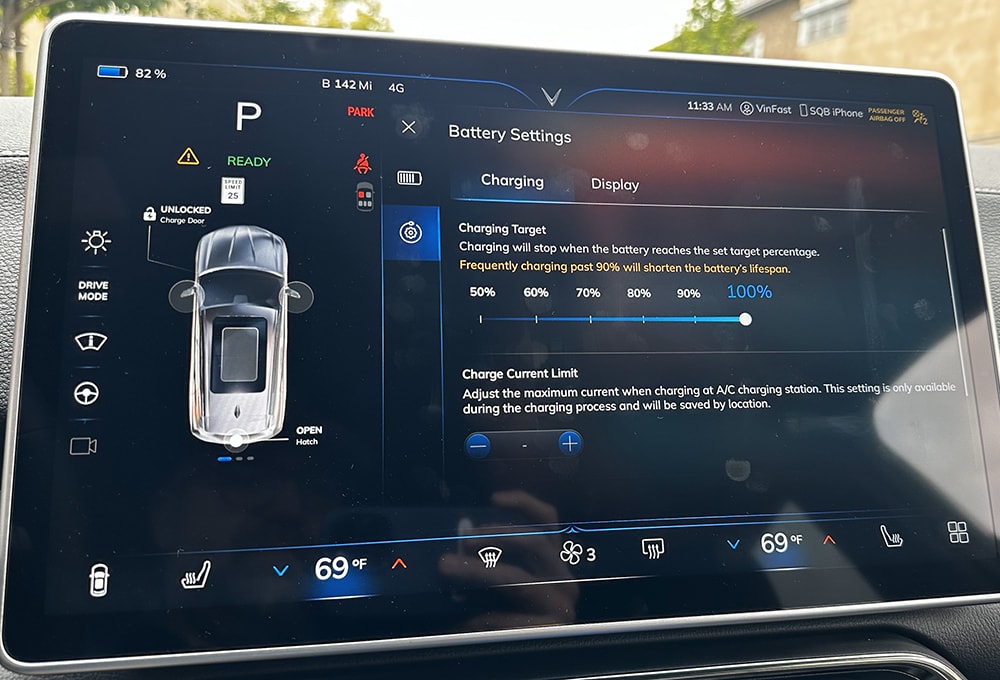
The merger means VinFast will, “acquire all VinES intellectual property related to battery cells, battery packs, manufacturing facilities, technology, partnerships, and supplier contracts.” What details of this IP can you share?
VinES has developed its own cell technology with different form factors (including cylindrical cells and prismatic cells) and different chemistry, including high nickel base chemistry (NMC 9xx, expected to SOP cylindrical cells first). Designs related to module and battery pack levels, as well as other energy solutions, are also vital intellectual property assets to ensure that battery products meet high quality and performance standards. These are areas where businesses in the battery industry need to invest significant resources and time to achieve. Furthermore, valuable business secrets, production processes, and a broad partner network are crucial assets that contribute to strengthening VinFast's foundation in battery-related matters.
Which types of cells and packs are a part of this deal?
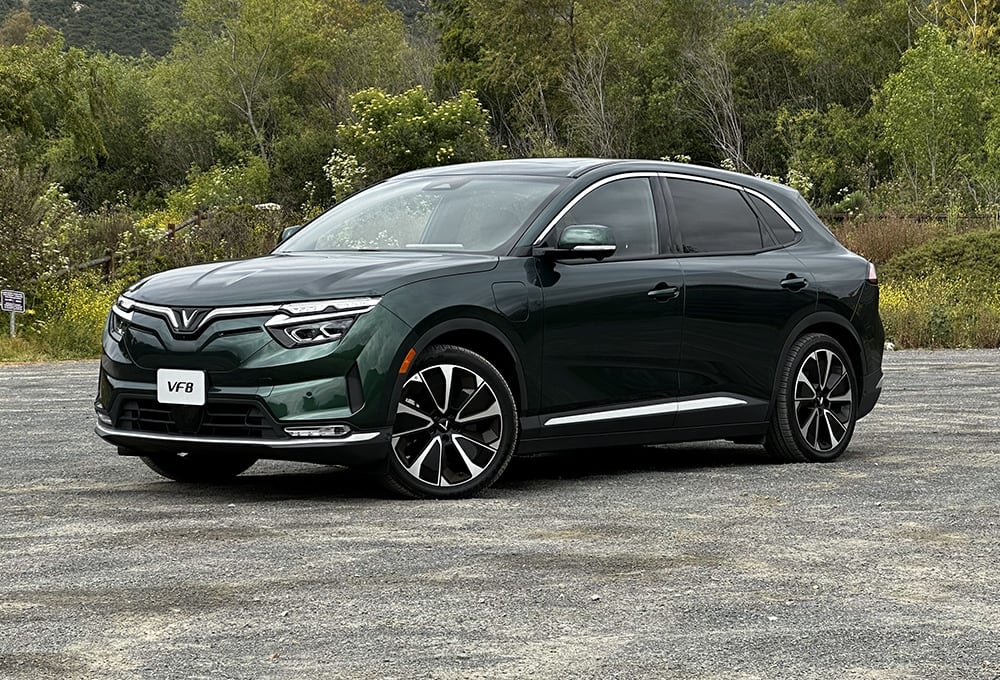
VinFast/VinES are self-developing packing and BMS [battery management system] technology as well as NCM cell technology (cylindrical cells and prismatic cells), as well as partnering with Gotion (LFP cell), CATL (C2C), ProLogium (solid state), Li-Cycle (recycling) and Storedot (super-fast charging).
Which partnerships and supplier contracts will be most helpful to VinFast in the near term?
VinFast is currently using CATL (NMC, plasma) and Gotion (LFP) batteries while collaborating with ProLogium for solid-state battery production research, and several other partners to develop fast-charging batteries, new battery technologies, and remains flexible in sourcing batteries from various suppliers.
VinFast is also actively engaged in strategic partnerships with suppliers like Red Dirts and Cavico to secure critical mineral resources for battery cell production for VinFast's vehicles, both in Vietnam and the U.S. in the future. After the acquisition of VinES, VinFast will directly work with these suppliers.
Through the acquisition of VinES, VinFast will continue its collaboration with Li-Cycle (VinES's recycling partner) in battery recycling, refining its production chain in the EVs manufacturing process, aiming towards an efficient, advanced, and sustainable production model.
Was VinFast using VinES technology before this merger, and how was that arrangement different than how VinFast will use VinES ’technology after the merger?
In terms of products, prior to the acquisition, VinFast had been utilizing technologies and products manufactured by VinES, and this practice will continue in the future.
Were there any barriers between VinES and VinFast before this merger?
Prior to the acquisition, both VinES and VinFast were subsidiaries of Vingroup, but they operated independently and had commercial agreements (for the supply of batteries) according to market practice. VinES was a supplier of battery products and services for VinFast's EV products.
In 2022, VinFast announced an investment worth “tens of millions of U.S. dollars” in ProLogium for solid-state batteries. How does the merger with VinES affect that investment?
There will be no impact on any collaboration or investment activities with ProLogium. We are continuing to execute our partnership with ProLogium as planned.
Will VinFast’s merger with VinES Energy Solutions JSC change the warranty for VinFast EV batteries, which is currently a 10-year warranty with unlimited miles?
Battery warranty is one of the key after-sales policies offered by VinFast to its customers. The acquisition of VinES allows VinFast to have more control over battery production technology and does not impact VinFast's after-sales policies.
What does this merger mean for VinFast’s future?
The acquisition will enhance VinFast's competitiveness, allowing VinFast to take control of its supply chain, manufacturing capabilities, and optimize battery costs. VinFast's EVs models will consistently feature the latest high-tech batteries at the most reasonable costs.
More From SAE Media Group
Automotive Engineering
Closing the Loop on EV Battery Recycling
Battery & Electrification Technology
Refining Automotive Battery Management Systems with Lumped-Approach Thermal Modeling
Battery & Electrification Technology
Powering the Future of Electric Vehicles with Safer, Lighter Batteries
Battery Technology
Advancing Battery Technology: THE 2021 BATTERY SHOW Preview
Battery & Electrification Technology
Betting Big on LFP Battery Cells for Electric Commercial Vehicles
Battery & Electrification Technology
Volvo Trucks’ Battery Chemistry of Choice: NCA
Automotive Engineering
GM Picks LMR as Its Future Affordable Battery Technology
Battery & Electrification Technology
Advancing Battery Technology: The 2023 Battery Show Preview
Automotive Engineering
BYD’s Blade Runner
Battery & Electrification Technology
Powering Light Electric Vehicles
Automotive Engineering
Battery Leasing Spurs VinFast’s EV Offensive
Tech Briefs
Factorial’s Solid-State B-Samples Send a Message
Battery & Electrification Technology
Leading the Charge: Fast 40
Battery & Electrification Technology
Building Out the EV Battery-Recycling Ecosystem
Off-Highway Engineering
ABS Ramps up Commercial-Vehicle Battery-Pack Assembly
Battery Technology
Using Electric Vehicle Batteries for Solar Energy Farms
Off-Highway Engineering
Kalmar Launches 3rd-Gen Electric Terminal Tractor
Battery Technology
Powering Tomorrow: Battery and Electrification Summit Preview
Automotive Engineering
BMW Plans Move to Structural Battery Packs and ‘46120’ Cells
Automotive Engineering
Novelis Creates First Aluminum Sheet Battery Enclosure for Mass Electric Vehicle Production
Automotive Engineering
The First Modern EV Was … a Corvair?
Off-Highway Engineering
Ultrasound Tech Offers Sophisticated Battery-Testing Intelligence
Automotive Engineering
Nissan's Innovative Solid-State Gambit
Automotive Engineering
Engineering ‘Electron Guzzlers’
Automotive Engineering
Establishing Closed-Loop EV Battery Recycling
Tech Briefs
How to Detect Battery Failures Quicker
Automotive Engineering
All (Robot) Hands on Deck
Battery & Electrification Technology
Can Solid-State Batteries Commercialize by 2030?
Automotive Engineering
Hercules Readies Alpha Electric Pickup Prototypes
Automotive Engineering
Reducing the Battery Materials Supply Risk
Top Stories
INSIDERManned Systems
 How Airbus is Using w-DED to 3D Print Larger Titanium Airplane Parts
INSIDERAerospace
 FAA to Replace Aging Network of Ground-Based Radars
NewsUnmanned Systems
 Microvision Aquires Luminar, Plans Relationship Restoration, Multi-industry Push
NewsDesign
 CES 2026: Bosch is Ready to Bring AI to Your (Likely ICE-powered) Vehicle
NewsSoftware
 Accelerating Down the Road to Autonomy
INSIDERManned Systems
 Can This Self-Healing Composite Make Airplane and Spacecraft Components Last...
Webcasts
Power
 Hydrogen Engines Are Heating Up for Heavy Duty
Transportation
 Advantages of Smart Power Distribution Unit Design for Automotive...
Automotive
 Quiet, Please: NVH Improvement Opportunities in the Early Design...
Power
 A FREE Two-Day Event Dedicated to Connected Mobility
Connectivity
 E/E Architecture Redefined: Building Smarter, Safer, and Scalable Vehicles
Manufacturing & Prototyping
 How Sift's Unified Observability Platform Accelerates Drone Innovation