




Hitachi-Astemo and the Electrified Future
Hitachi-Astemo's new leader in America says more expensive, larger components become in-demand items, floor space at factories will need to be optimized.
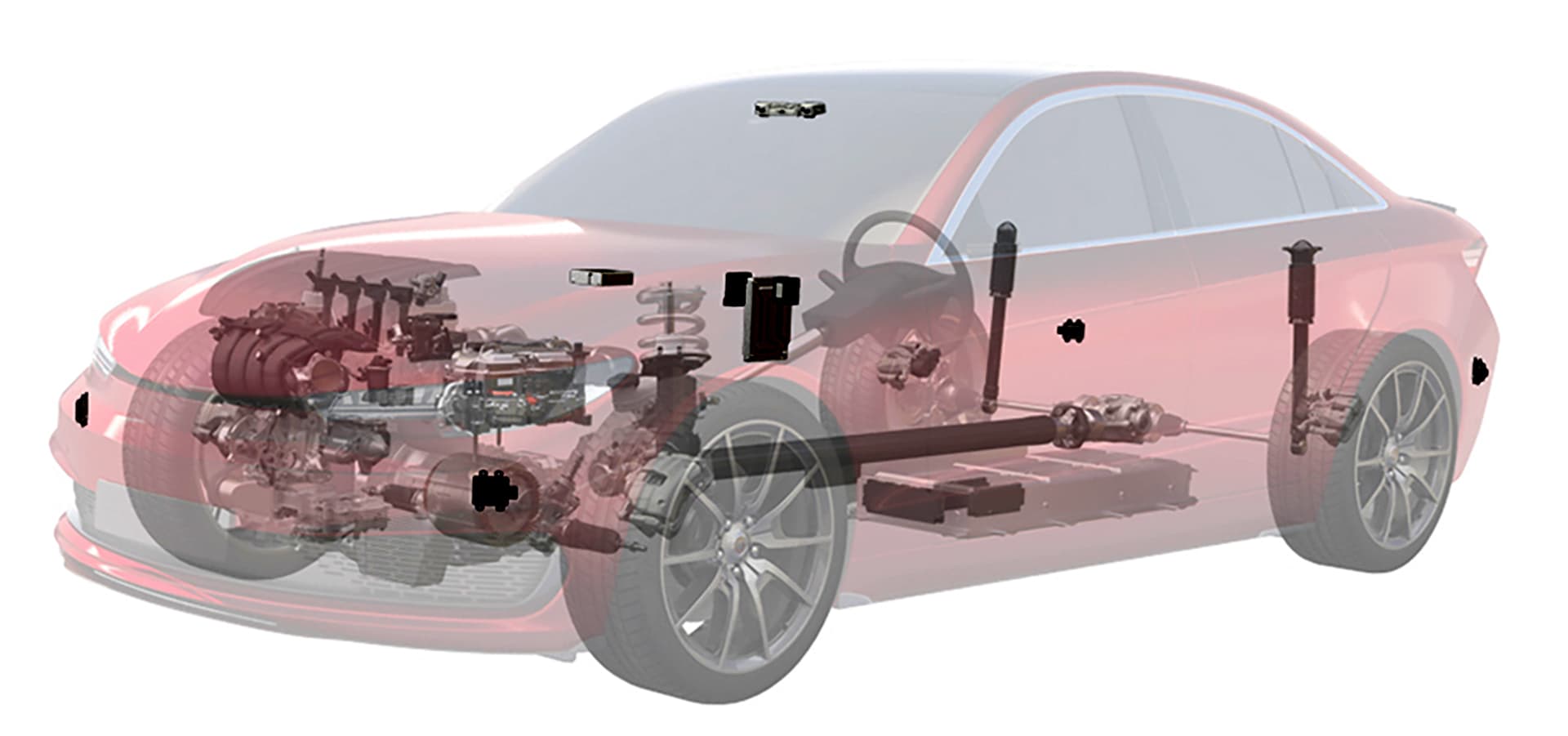
Tim Clark became Hitachi Astemo’s CEO and president of the Americas in April 2023 after seven years as the company’s head of European operations. During a recent SAE Media interview, Clark addressed topics that will impact the mobility supplier’s product portfolio of powertrain and chassis systems, software, and autonomous driving/advanced driver assist systems.

What sector has the largest market share for Hitachi Astemo in the Americas?
Powertrain. That will change, though, with the industry’s move to electrification. Our electrified vehicle technologies include the motor, inverter, e-drive, and battery controls. We absolutely need our current suspension and ICE powertrain business to help us finance the move to electrification because it’s quite expensive. In a way, the North America market’s slow transition to electrification helps us fund things, but we’re ready for a quicker transition, too.
How do you plan to increase market share for its software and advanced driver assist systems?
It’s not simply designing and developing ADAS technologies, then selling the systems to the OEMs. Most ADAS technology solutions have us working very closely with an OEM, so that means the tentacles with the OEM need to be very deep and wide. We’ve traditionally been a hardware manufacturer. But in the past 15 years, we’ve also provided software solutions. For electrification applications, software is a massive undertaking. So we’re growing our talented software group as quickly as we can. We’re always looking to improve the software engineering area of our business. That’s the difficult nut that all of us old hardware producers have to crack.
What’s the biggest challenge during the transition to electrified vehicles?
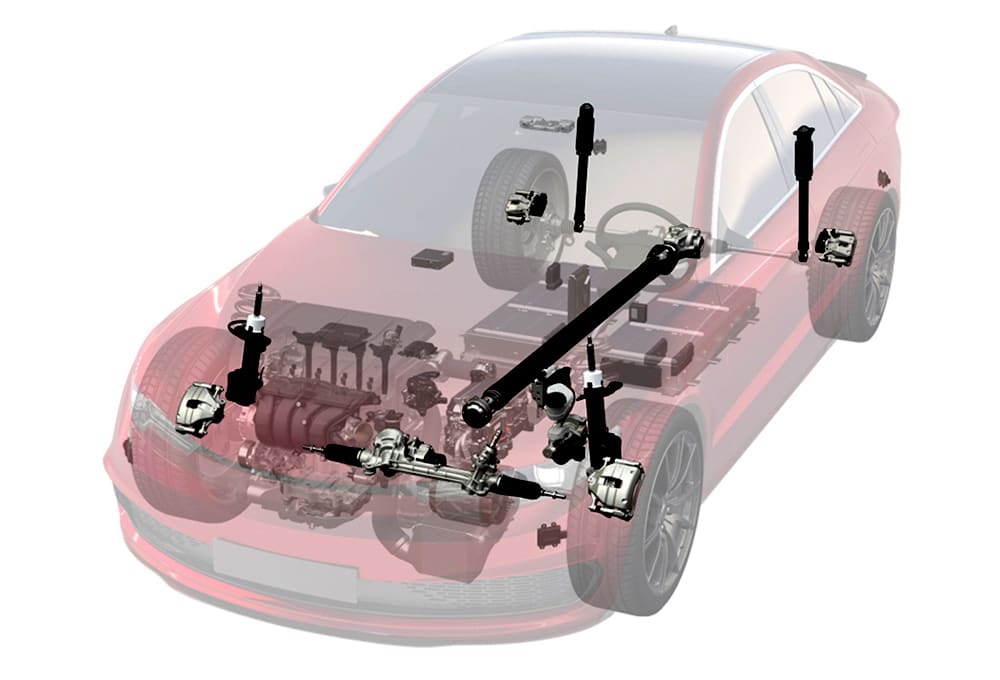
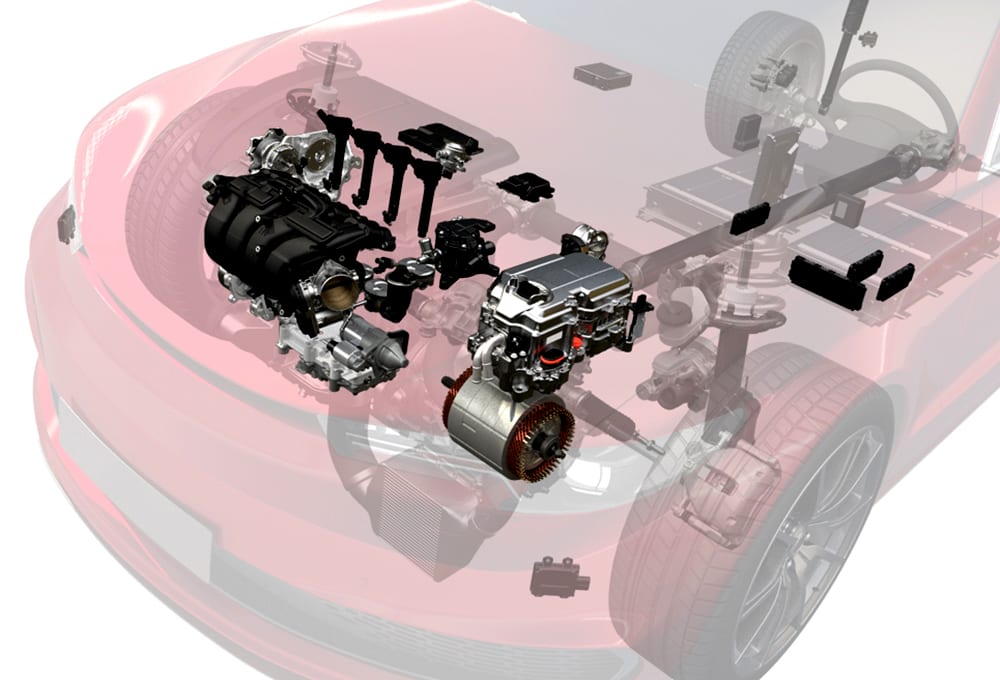
We’re going from the smaller, lower-cost components associated with ICE applications to components for electrified vehicles that require huge upfront investment and lots of factory floorspace. That’s definitely a big hurdle. Shifting from the production of 7-inch (178 mm) by 10-inch (254 mm) starter motors to massive-sized electric drives can quickly fill a factory. Our facility footprint team is going through each of our 25 manufacturing/assembly sites in the Americas to find ways to optimize floor space in preparation for additional electrification business. In the short term, we’ll probably be able to manage our floorspace needs. But as we get into higher volumes with electrification, we will need to expand.
How is the supplier role changing?
There’s isn’t assurity about tomorrow’s business and that’s causing suppliers to act differently. We have traditionally known that tomorrow there will be a new engine, or tomorrow there will be a new vehicle so that’s a continual flow of potential business. But with electrification, we really don’t know as much about what to expect in the future and that makes it more difficult to make investment decisions. However, many electrification technologies come from rail, and Hitachi is a big player with a long history in that mobility sector.
More From SAE Media Group
Autonomous Vehicle Engineering
BMW 7-Series Drives Itself Through Own Assembly
Automotive Engineering
CASE Struggles to Fulfil Expectations
Automotive Engineering
The Navigator: Traversing the Autonomous Trust Gap
Automotive Engineering
ZF Hikes Performance of ProAI Supercompute Platform
Autonomous Vehicle Engineering
Waymo, GM and Ford Pegged as Autonomous “Leaders” by Latest Navigant Report
Automotive Engineering
Autonomous Future Will Require New Product Development Approaches
Autonomous Vehicle Engineering
Hopeful but Closer Scrutiny for SAE Level 4 Automation
Autonomous Vehicle Engineering
Toposens 3D Sonar Seeks Objects Overlooked by Lidar
Autonomous Vehicle Engineering
Going the Last Mile
Autonomous Vehicle Engineering
AV and ADAS Testing from out of the Box
Automotive Engineering
CES 2021: GM Creates BrightDrop, a New Electrified Delivery and Logistics Company
Automotive Engineering
Volvo EX90 Uses AI, NVIDIA SoC to Make Automated Driving Safer
Automotive Engineering
Sensor Fusion Expanding in Step with Advancing Vehicle Sophistication
ADAS & Autonomous Vehicle Engineering
Finding Range Through Compute Efficiency
Automotive Engineering
Valeo Debuts New Lidars, EV Tech at CES 2022
Autonomous Vehicle Engineering
German University Installing Advanced Simulator to Study Autonomous-Vehicle Handover
Automotive Engineering
Snapdragon Ride Flex Puts Safety, Infotainment onto Single Chip
Off-Highway Engineering
‘Heavy’ Topics on Tap for WCX18
Autonomous Vehicle Engineering
Velodyne Preps for Volume Lidar
Off-Highway Engineering
Arctic Autonomy
Autonomous Vehicle Engineering
Ford Gets in the ‘Hands-Free’ Game with BlueCruise
Automotive Engineering
Ford Engineers Charged with a Blank EV Slate for the All-New 2021 Mustang Mach-E
Autonomous Vehicle Engineering
GM Announces Door-To-Door Ultra Cruise ADAS
Automotive Engineering
AB Dynamics Provides New Drive-By-CAN Testing System
Autonomous Vehicle Engineering
Making the Strategic Move into AV Testing
Automotive Engineering
Mercedes-Benz Product Boss: Europe, North America EVs, EV Charging to Rapidly Get Better
Automotive Engineering
WCX 2021: Systems Thinking as Powerful as Propulsion Systems
Automotive Engineering
Preview: SAE 2021 WCX
Off-Highway Engineering
Blue Arc Amps up for EV Production
Automotive Engineering
Continental’s New CTO to Lead Retooled R&D Pillar
Top Stories
INSIDERManufacturing & Prototyping
 How Airbus is Using w-DED to 3D Print Larger Titanium Airplane Parts
INSIDERManned Systems
 FAA to Replace Aging Network of Ground-Based Radars
NewsTransportation
 CES 2026: Bosch is Ready to Bring AI to Your (Likely ICE-powered) Vehicle
NewsSoftware
 Accelerating Down the Road to Autonomy
EditorialDesign
 DarkSky One Wants to Make the World a Darker Place
INSIDERMaterials
 Can This Self-Healing Composite Make Airplane and Spacecraft Components Last...
Webcasts
Defense
 How Sift's Unified Observability Platform Accelerates Drone Innovation
Automotive
 E/E Architecture Redefined: Building Smarter, Safer, and Scalable...
Power
 Hydrogen Engines Are Heating Up for Heavy Duty
Electronics & Computers
 Advantages of Smart Power Distribution Unit Design for Automotive...
Unmanned Systems
 Quiet, Please: NVH Improvement Opportunities in the Early Design...
Power

Similar Stories
Technology ReportAutomotive
 ZF’s Current Innovations Build for EV, AV Future
ArticlesUnmanned Systems
 How Electrification and Autonomy Can Unlock the Potential of Unmanned Ground...
Supplier EyeRF & Microwave Electronics
 The Future of “Core” Vehicle Systems
Road ReadyPower
 Honda Pioneering New Manufacturing Tech for Zero Electrified Platform
News
 Transformation Is Happening—will You Be an Active Participant or a Passive...
