




Accelerating ADAS Adoption With Pressure-sensitive Tapes
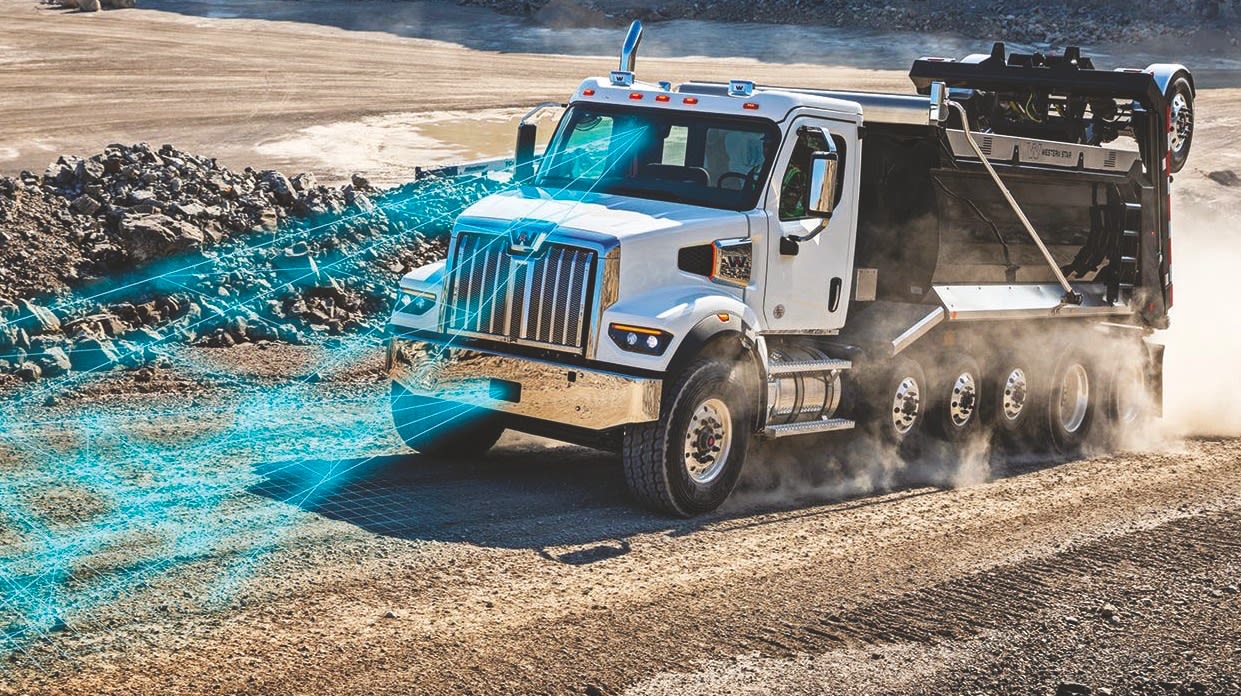
Advanced driver-assist systems (ADAS) are being integrated into virtually every type of vehicle, including trucks and off-road machinery where the safety and efficiency improvements promised by these systems are particularly valuable. However, vehicle manufacturers and their suppliers frequently face some challenges when integrating ADAS technology.

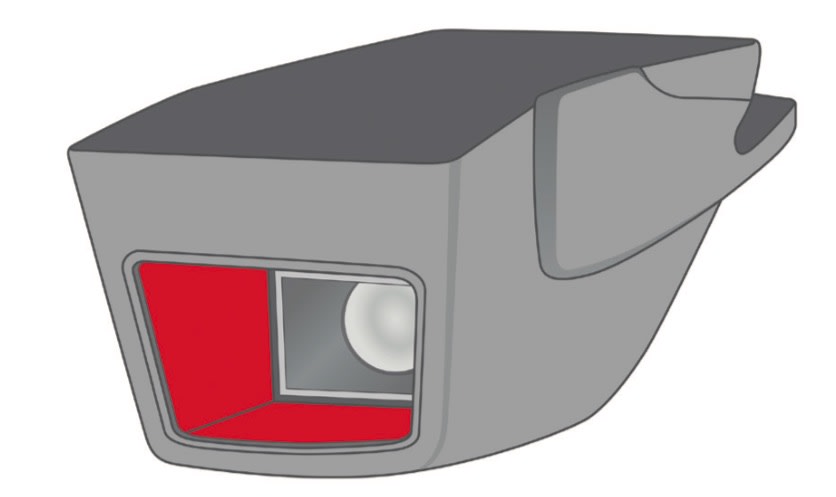
Key components of these systems are often in locations, such as bumpers and mirrors, where they are exposed to a variety of environmental factors that can affect system performance and reliability. Pressure-sensitive adhesive tapes can play an important role in not only mounting ADAS components and bonding supportive materials, but also in helping protect them from factors that degrade performance and cause failure.
Challenges of ADAS integration
Driver-assist technologies rely on a collective system of cameras, sensors, lidar and/or radar systems to detect the environment around the vehicle. The ability to protect these components from the factors that impact performance or cause failures plays a significant role in how well these systems can deliver the value users expect. If factors such as ice buildup, electromagnetic interference (EMI), dust and vibration corrupt the information from vision and sensing technologies, operators will lose confidence in the systems.
In addressing these challenges, vehicle manufacturers and their suppliers also must ensure the materials they use can support efficient production processes. For bonding ADAS components to each other and to the vehicle, manufacturers have three options: liquid adhesives, mechanical fasteners or pressure-sensitive tapes. Liquid adhesives can form a structural bond with the substrates used in ADAS technologies, but these adhesives also can require longer cure times that can slow and complicate production processes. Mechanical fasteners often require special tools, provide no vibration damping or other functional protection and can add to system costs and weight.
Pressure-sensitive tapes provide a durable and versatile solution for ADAS mounting and protection applications. They are easy to apply and require no time for curing. Engineered to withstand conditions experienced by vehicles operating in a range of climates, their value extends well beyond their ability to form a strong bond. Depending on the requirements of the application, they can provide vibration damping, thin design profiles and sealing. Additionally, they can be used as a bonding solution for materials that provide gap filling, EMI shielding, light management and ice mitigation.
ADAS apps for tapes
Pressure-sensitive tapes from leading manufacturers, such as Avery Dennison Performance Tapes, are engineered to make ADAS technologies more durable and useful through strong bonding with the substrates used in ADAS components and by protecting components from the various factors that can reduce performance and durability. Here are some of the applications for tapes in driver-assist technologies.
Mounting and sealing — Double-coated polyethylene (PE) foam and acrylic foam bonding (AFB) tapes are used widely in vehicle manufacturing, including mirror bonding. For ADAS technologies, these tapes provide a cost-effective alternative to mechanical fasteners for mounting, sealing and damping. Through their application, manufacturers can ensure reliable mounting, prevent dust and water from reaching electrical components and reduce the vibration that can affect vision and sensing.
Gasket bonding and BSR reduction — Rigid electronic components often use laminated die cut foam or fibrous materials between components to absorb vibration, cushion impacts, fill gaps and mitigate buzz-squeak and rattle (BSR). These tapes have proven their ability to create strong bonds with the dense urethane and EPDM foam that can optimize ADAS components mounted on the exterior of the vehicle.
PTC heater film bonding — Positive Temperature Coefficient (PTC) heater films attached to or around ADAS cameras, lidar, radar and ultrasonic sensors are used to combat ice buildup and enable reliable operation in freezing temperatures. Thin bonding tapes, such as those in the Avery Dennison Core Series, are readily available for bonding PTC heaters to ADAS components. Polyethylene foam tapes also can be used to fill gaps between rigid components in this application. These tape solutions also can support flexible printed circuits (FPCs) being used for applications such as hands-off detection on steering wheels or occupancy sensors in seating.
Light management — Improperly managed light can negatively impact cameras and displays. Specialty tapes can be used for light-management purposes such as glare reduction, infrared light blocking, full light blocking, visible light reflecting and more.
Pressure-sensitive adhesive tapes are already widely used in the transportation sector. The growth in ADAS technologies will open new opportunities for OEMs and ADAS system manufacturers to leverage the durability and functionality of tapes to ensure the reliability and performance of these systems.
Scott Krusinski, product manager for Transportation at Avery Dennison Performance Tapes, wrote this article for TOHE.
More From SAE Media Group
Autonomous Vehicle Engineering
Ensuring No Child Left Inside
Motion Design
Built-In Vibration Control to Soundproof Spaces
Off-Highway Engineering
EV Lightweighting via Industrial Rubber Products
Tech Briefs
Analyzing Wear and Tear of Metal
Automotive Engineering
Advanced Silicones for ADAS in Light Vehicles

Motion Design
Self-Lubrication Improves Standard Braking Systems

Tech Briefs
Products of Tomorrow

Tech Briefs
Nanotechnology Repairs Engine Damage in Cars

Power Electronics INSIDER
Highly Conductive Aluminum Can Equal Copper
Tech Briefs
Airless Alloy Tire Has NASA Roots
Tech Briefs
Coating Prevents Fogging on Transparent Surfaces


Off-Highway Engineering
NASA Highlights Material and Coating Technology Ready for Commercial Applications


Automotive Engineering
Keeping Your Silicon Cool
Automotive Engineering
Thermoplastic Technology Offers Impact Protection Across Automotive, Sports, and Defense
Tech Briefs
Composite Panel with Integrated Thermal Control
Power Electronics INSIDER
World’s Strongest Battery Paves Way for Light, Energy-Efficient Vehicles
Power Electronics INSIDER
New Compound Withstands Extreme Heat and Electricity for Next-Generation Energy Storage



Top Stories
INSIDERManufacturing & Prototyping
 How Airbus is Using w-DED to 3D Print Larger Titanium Airplane Parts
INSIDERManned Systems
 FAA to Replace Aging Network of Ground-Based Radars
NewsTransportation
 CES 2026: Bosch is Ready to Bring AI to Your (Likely ICE-powered) Vehicle
NewsSoftware
 Accelerating Down the Road to Autonomy
EditorialDesign
 DarkSky One Wants to Make the World a Darker Place
INSIDERMaterials
 Can This Self-Healing Composite Make Airplane and Spacecraft Components Last...
Webcasts
Defense
 How Sift's Unified Observability Platform Accelerates Drone Innovation
Automotive
 E/E Architecture Redefined: Building Smarter, Safer, and Scalable...
Power
 Hydrogen Engines Are Heating Up for Heavy Duty
Electronics & Computers
 Advantages of Smart Power Distribution Unit Design for Automotive...
Unmanned Systems
 Quiet, Please: NVH Improvement Opportunities in the Early Design...
