




Automotive Engineering - December 2015
Inside this issue
Overview
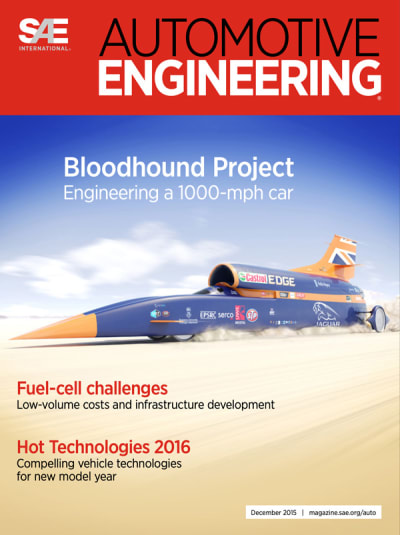
The December 2015 issue of Automotive Engineering presents a comprehensive overview of the latest trends, technologies, and innovations in the automotive industry. This edition is particularly notable for its focus on groundbreaking projects and the evolving landscape of vehicle technology, making it a valuable resource for professionals and enthusiasts alike.
Key Features:
-
Bloodhound Project: One of the standout features of this issue is the in-depth coverage of the Bloodhound Project, which aims to engineer a car capable of reaching speeds of 1,000 mph. This ambitious endeavor not only highlights the engineering challenges involved in achieving such speeds but also showcases the innovative technologies being developed in aerodynamics, materials science, and propulsion systems. The project serves as a testament to human ingenuity and the relentless pursuit of speed.
-
Fuel Cell Technology: The issue also delves into the advancements in fuel cell technology, which is increasingly being recognized as a viable alternative to traditional internal combustion engines. The article discusses the challenges associated with low-volume production and the necessary infrastructure development to support fuel cell vehicles. As the automotive industry shifts towards more sustainable solutions, fuel cells are positioned as a key player in reducing emissions and enhancing energy efficiency.
-
Hot Technologies 2016: Another highlight is the annual review of significant and innovative technologies set to impact the automotive sector in the upcoming model year. This section provides insights into various technological advancements, including improvements in safety features, infotainment systems, and driver assistance technologies. The focus on these "hot technologies" underscores the industry's commitment to enhancing the driving experience while prioritizing safety and connectivity.
Manufacturing Innovations: The magazine features a report on the hot-stamping process developed by Schuler, which employs flexible pressure-controlled hardening. This manufacturing technique is designed to improve the production of lightweight components, which are essential for enhancing fuel efficiency and performance in modern vehicles. The article emphasizes the importance of innovative manufacturing processes in meeting the demands of a rapidly evolving automotive landscape.
-
Environmental Considerations: The issue addresses the growing importance of environmental sustainability in automotive engineering. With increasing regulatory pressures and consumer demand for greener vehicles, manufacturers are exploring various strategies to reduce their carbon footprint. The discussions around emission control technologies and the impact of the VW emissions scandal on future engine controls and testing highlight the industry's ongoing challenges and the need for transparency and accountability.
-
Global Vehicles: The magazine also provides a glimpse into global vehicle trends, including the introduction of new models and the competitive landscape among manufacturers. The new Astra from Opel-Vauxhall is presented as a "no excuses" car, reflecting the brand's commitment to quality and performance. This section offers readers an understanding of how different markets are responding to consumer preferences and technological advancements.
-
Product Briefs: The issue concludes with product briefs that spotlight various engine components and innovations from leading companies in the automotive sector. This section serves as a resource for professionals looking to stay informed about the latest products and technologies available in the market.
Editorial Insights: The editorial section, led by Kevin Jost, emphasizes the importance of innovation and adaptation in the automotive industry. As technology continues to evolve, the need for engineers and manufacturers to stay ahead of the curve is more critical than ever. The editorial team encourages readers to engage with the content and consider the implications of these advancements on the future of transportation.
Conclusion: Overall, the December 2015 issue of Automotive Engineering encapsulates the dynamic nature of the automotive industry, highlighting both the challenges and opportunities that lie ahead. With a focus on cutting-edge technologies, sustainability, and innovative manufacturing processes, this edition serves as a vital resource for anyone interested in the future of automotive engineering. The insights provided in this issue not only inform but also inspire readers to think critically about the role of technology in shaping the vehicles of tomorrow.
Features
-
Articles
Can Turning off the Engine Turn Customers On?
Fuel Cell Futures No Longer a Dream
2016 Civic Structure Employs 'First' Partial In-Die Soft Zones
Regulars
-
Technology Reports
Hot-Stamping Process from Schuler Employs Flexible 'Pressure Controlled Hardening'
Stories
-
News
Drive Me, Paint Me: Volvo Accelerates Its Tech Trajectory
BorgWarner Tech Center Adds Testing Muscle, Engineering Resources
JLR Lightweight Materials Research Blends Flax, Carbon Fiber and Cashew-Nut Oils
Crash Testing Advances on Many Fronts
A “Drag” No Longer: New Vision Systems Close to Replacing Exterior Mirrors at No Cost Penalty
Fiat 124 Spider Returns After More Than 30 Years
2017 Lincoln MKZ Gets Exclusive 400-Hp Twin-Turbo V6, Torque-Vectoring AWD
New-Generation Audi R8: The Race Driver’s View
New Compact PEMS Aims to Plug the Emissions-Compliance Gap
Top Stories
INSIDERManufacturing & Prototyping
 How Airbus is Using w-DED to 3D Print Larger Titanium Airplane Parts
INSIDERManned Systems
 FAA to Replace Aging Network of Ground-Based Radars
NewsTransportation
 CES 2026: Bosch is Ready to Bring AI to Your (Likely ICE-powered) Vehicle
NewsSoftware
 Accelerating Down the Road to Autonomy
EditorialDesign
 DarkSky One Wants to Make the World a Darker Place
INSIDERMaterials
 Can This Self-Healing Composite Make Airplane and Spacecraft Components Last...
Webcasts
Defense
 How Sift's Unified Observability Platform Accelerates Drone Innovation
Automotive
 E/E Architecture Redefined: Building Smarter, Safer, and Scalable...
Power
 Hydrogen Engines Are Heating Up for Heavy Duty
Electronics & Computers
 Advantages of Smart Power Distribution Unit Design for Automotive...
Unmanned Systems
 Quiet, Please: NVH Improvement Opportunities in the Early Design...
