




Delta II’s Final Flight a Success
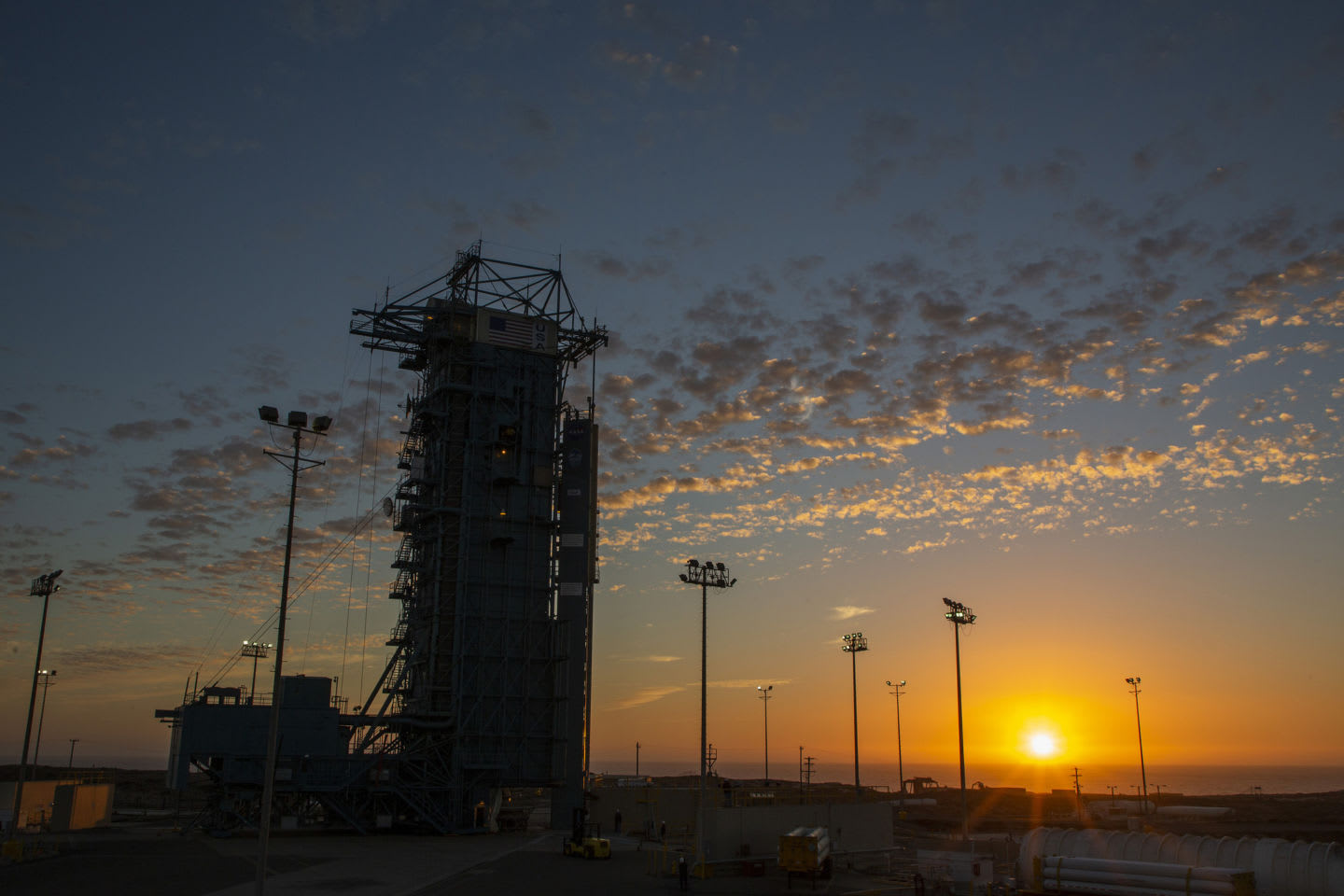
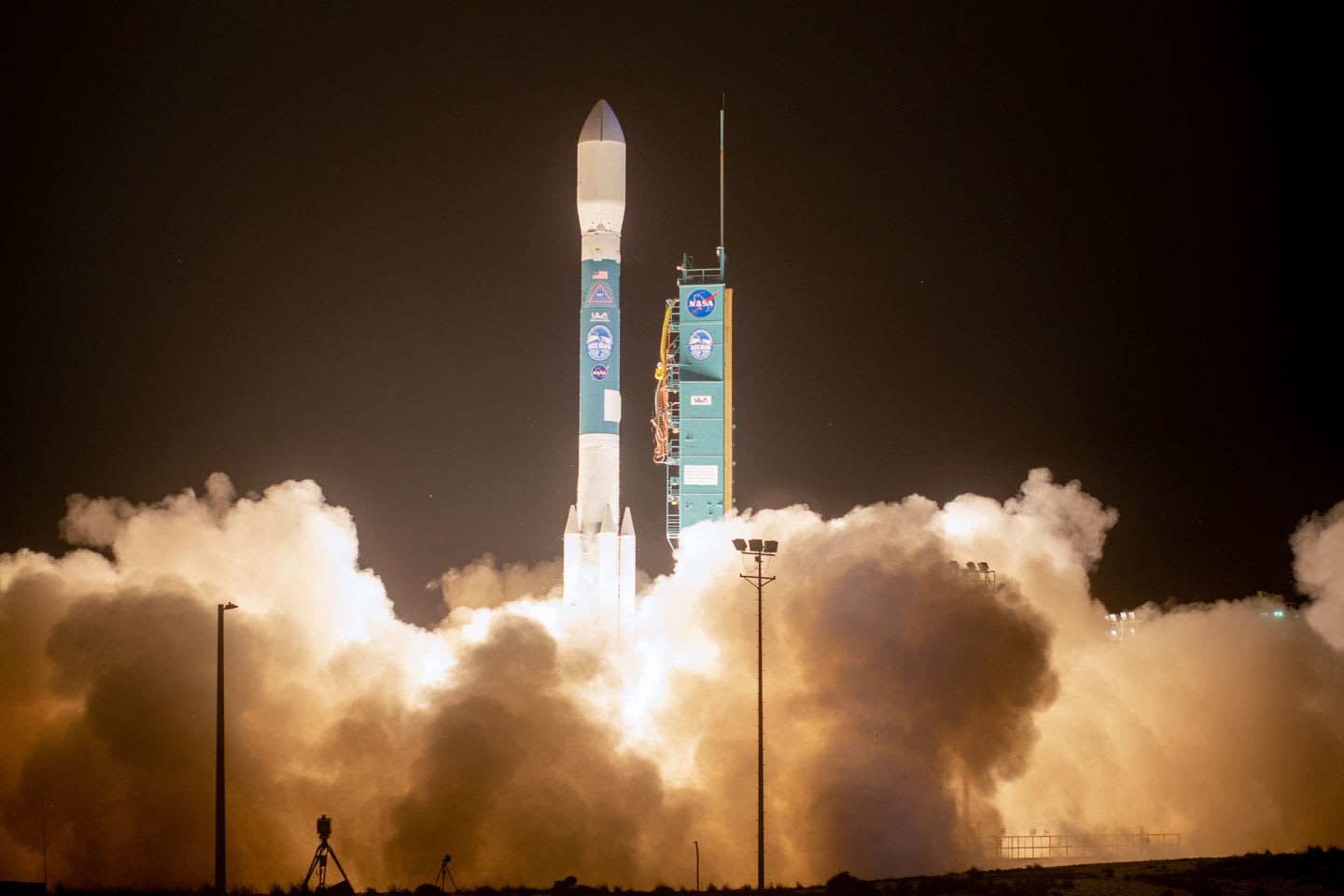
The United Launch Alliance (ULA) Delta II rocket carrying NASA’s Ice, Cloud and land Elevation Satellite-2 (ICESat-2) spacecraft lifted off from Space Launch Complex-2 at Vandenberg Air Force Base, Calif. on Sept. 15 at 6:02 a.m. PDT. This marks the 155th launch and the final mission of the Delta II rocket, which first launched on Feb. 14, 1989.
From its origin as the launch vehicle for the first Global Positioning System (GPS) satellites to NASA’s Earth observing, science and interplanetary satellites – including Mars rovers Spirit and Opportunity – to vital commercial communication and imaging satellites, the Delta II rocket has earned its place in space history.
For more information on the launch and Delta II’s history, check out SAE International’s Delta II farewell coverage.
The ICESat-2 satellite will provide scientists with height measurements to create a global portrait of Earth’s third dimension, gathering data that can precisely track changes of terrain including glaciers, sea ice, forests and more.
ULA's next launch is the Advanced Extreme High Frequency Satellite-4 (AEHF-4) mission for the U.S. Air Force on an Atlas V rocket from Space Launch Complex-41 at Cape Canaveral Air Force Station, Fla. The planned launch date is Oct. 17. The more economical and capable ULA Atlas V and Delta IV rockets will continue to serve as launch vehicles for United State and allied science and defense payloads.
ULA is based in Centential, Colo.
William Kucinski is content editor at SAE International, Aerospace Products Group in Warrendale, Pa. Previously, he worked as a writer at the NASA Safety Center in Cleveland, Ohio and was responsible for writing the agency’s System Failure Case Studies. His interests include 'literally anything that has to do with space,' past and present military aircraft, and propulsion technology. And also sportscars.
More From SAE Media Group
Aerospace & Defense Tech Briefs
Three Stages of Separation: Bidding Farewell to the Delta II Launch Vehicle
Aerospace & Defense Tech Briefs
Northrop Grumman Wins $792M to Deliver Intermediate, Heavy Versions of OmegA Space Launch Vehicle
Aerospace & Defense Tech Briefs
OmegA Rocket Sustains Explosion During First Static Test, Northrop Grumman Maintains Test Was a Success
Aerospace & Defense Tech Briefs
Can the Air Force Reach a 24-Hour Launch Window?
Aerospace & Defense Tech Briefs
Firefly Aerospace Is the Latest Addition to Florida’s “Space Coast”
Aerospace & Defense Tech Briefs
Space Launch Providers Submit Proposals for National Security Space Launch Program
Aerospace & Defense Tech Briefs
Northrop Grumman Completes First Live Motor Cast for OmegA Rocket
Aerospace & Defense Tech Briefs
New Zealand and LeoLabs Establish the First Low-Earth Orbit Regulatory Platform
Aerospace & Defense Tech Briefs
ULA’s Vulcan Centaur Will Launch Sierra Nevada Corporation’s Dream Chaser Spaceplane
Aerospace & Defense Tech Briefs
Techstars and Starburst Start New Space Technology Business Accelerator
Aerospace & Defense Tech Briefs
Lockheed Martin’s “Non-Operational” Space Fence Detects Indian Anti-Satellite Operations While Still in Test Mode
Aerospace & Defense Tech Briefs
Orbex Debuts Innovative Smallsat Launch Vehicle
Aerospace & Defense Tech Briefs
Late Paul Allen’s Stratolaunch Company Cancels Launch Vehicle Projects
Aerospace & Defense Tech Briefs
JAXA Launches HTV7 Unmanned Cargo Spacecraft on Resupply Mission to ISS
Aerospace & Defense Tech Briefs
First Orion European Space Module Delivered
Aerospace & Defense Tech Briefs
The Future of Space Propulsion
Aerospace & Defense Tech Briefs
U.K. Space Agency Partners with Industry to Advance Spaceflight Program
Aerospace & Defense Tech Briefs
Iridium, Aireon, SpaceX Celebrate Satellite Launch, System Deployment
Aerospace & Defense Tech Briefs
Canada’s RADARSAT Constellation Satellites Receive Thermal Blankets, Ready for Launch
Off-Highway Engineering
NASA Opens the International Space Station for Commercial Business
Aerospace & Defense Tech Briefs
What Does NASA Do with a Space Station Originally Developed for a Now-Cancelled Mission?
Aerospace & Defense Tech Briefs
SpaceX Tests Raptor Engine, Prepares for Starship “Hop”
Automotive Engineering
Made in Space to Increase Material Portfolio After Two Years of Printing in Space
Automotive Engineering
OneWeb Ramps up Satellite Production with New Round of Funding
Aerospace & Defense Tech Briefs
NASA Selects Frontier Aerospace to Continue Development of New Deep Space Thruster
Aerospace & Defense Tech Briefs
Lockheed Martin Ships AEHF Satellite in Advance of ULA Rocket Launch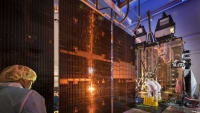
Aerospace & Defense Tech Briefs
Orion Launch Abort System Passes Full-Stress Flight Test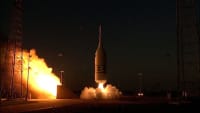
Aerospace & Defense Tech Briefs
Made in Space Is Set to Make in Space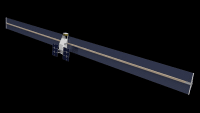
Aerospace & Defense Tech Briefs
Blue Origin Mission 9 a Success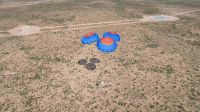
Aerospace & Defense Tech Briefs
FADA-CATEC Uses 3D Printing to Slim down the CHEOPS Satellite
Transcript
No transcript is available for this video.
Top Stories
NewsSensors/Data Acquisition
 Microvision Aquires Luminar, Plans Relationship Restoration, Multi-industry Push
INSIDERRF & Microwave Electronics
 A Next Generation Helmet System for Navy Pilots
INSIDERWeapons Systems
 New Raytheon and Lockheed Martin Agreements Expand Missile Defense Production
NewsAutomotive
 Ford Announces 48-Volt Architecture for Future Electric Truck
INSIDERAerospace
 Active Strake System Cuts Cruise Drag, Boosts Flight Efficiency
ArticlesTransportation

Webcasts
Aerospace
 Cooling a New Generation of Aerospace and Defense Embedded...
Energy
 Battery Abuse Testing: Pushing to Failure
Power
 A FREE Two-Day Event Dedicated to Connected Mobility
Automotive
 Quiet, Please: NVH Improvement Opportunities in the Early Design Cycle
Electronics & Computers
 Advantages of Smart Power Distribution Unit Design for Automotive &...
Unmanned Systems
 Sesame Solar's Nanogrid Tech Promises Major Gains in Drone Endurance