




Hydrogen Fueling Protocol Spelled out in New SAE International J2601 Standard

SAE International recently published J2601 “Fueling Protocols for Light Duty Gaseous Hydrogen Surface Vehicles,” the light-duty hydrogen-fueling protocol that will serve as the baseline for fueling the first generation of hydrogen fuel cell electric vehicle (FCEVs).
This standard will be used worldwide for hydrogen fueling stations.
“SAE J2601 enables a safe and quick hydrogen fueling experience for FCEVs,” said Jesse Schneider, a BMW engineer who serves as Lead of the SAE J2601 (and the complementary J2799) standards committee. “SAE J2601 enables hydrogen stations to have a fueling time within three to five minutes. In addition, with a consistently high end state of charge, this standard allows for fueling of FCHEVs with a resulting range of three-hundred-plus miles," he explained.
Schneider noted for state-of-the-art FCEVs with 60% efficiency, the hydrogen fuel transfer is equivalent to 100-200 kW·h of electrical energy (depending on tank size). In that respect, he said, "SAE J2601 establishes FCEVs as the only zero-emission vehicle technology to meet the same customer fueling and range expectations as conventional vehicles today.”
The standard J2601 fueling protocol uses a look-up table approach and an average pressure ramp rate that has been verified over the past 13 years. The SAE J2601 fueling tables use a simple control in which the dispenser fuels until the target pressure is reached based on initial start conditions, giving a consistent hydrogen fueling. This protocol, termed the “J2601 standard fueling” method, has been validated from the laboratory with test tanks to the field with automaker hydrogen storage under extreme conditions on three continents with test tanks and vehicles.
The data confirming this hydrogen fueling methodology—from automakers and hydrogen fuel providers—is documented in technical paper 2014-01-1833 from the 2014 SAE World Congress.
J2601 standardizes hydrogen fueling for both 35 MPa and 70 MPa pressure classes. Obtaining extended driving ranges in FCEVs with hydrogen fueling is accomplished by compressing hydrogen to 70 MPa (or H70). The speed of hydrogen fueling is directly related to the amount of cooling that the dispenser allows, to offset the heat of compression. Therefore, a H70-T40 fueling dispenser enables this fast-fueling by providing hydrogen fuel at -40°C (-40°F) to the fuel-cell vehicle.
SAE J2601 has a number of updates from the previous Technical Information Report including “top-off” and “fall-back fueling,” along with numerous improvements for robust operation at of the hydrogen dispenser.
More From SAE Media Group
Off-Highway Engineering
Canada Will Establish a Cross-Country Electric Vehicle Charging Network
Off-Highway Engineering
A Secure Technology Future Underscores U.S. Army's R&D Work
Off-Highway Engineering
TARDEC Pursues Advanced Power Generation
Off-Highway Engineering
Nikola Producing Battery-Electric Trucks, Fuel-Cell EVs Coming
Automotive Engineering
Pour Your Next EV Battery?
Off-Highway Engineering
GM Announces Hydrotec Fuel-Cell Power Generator and Rapid Charger for EVs
Automotive Engineering
SAE Adopts Two Hydrogen-Fueling Standards to Advance Commercialization of Fuel-Cell Vehicles
Automotive Engineering
New Effort Launched for Better Vehicle-To-Grid Integration
Automotive Engineering
Novelis Creates First Aluminum Sheet Battery Enclosure for Mass Electric Vehicle Production
Automotive Engineering
Developing High-Energy-Density Batteries for EVs
Automotive Engineering
Testing for Cold-Climate Comfort
Off-Highway Engineering
Swing Energy Recuperation for Hydraulic Excavators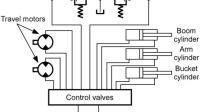
Automotive Engineering
48-V System
Aerospace & Defense Tech Briefs
PEM Fuel Cell ScanEagle UAV Completes Test Flights
Automotive Engineering
Solving the 'Grand Challenge' of Battery Research
Automotive Engineering
California ZEV Law Gets Simpler, More Challenging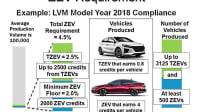
Aerospace & Defense Tech Briefs
Thermal Management for Fuel-Cell Systems Studied
Automotive Engineering
FCEVs and Hydrogen Strategies Target 2017

Off-Highway Engineering
Yanmar Announces Marine Hydrogen Fuel-Cell System
Automotive Engineering
United Kingdom Develops a Pop-Up Electric Vehicle Charging Station for City Streets
Automotive Engineering
Subaru Uses ANSYS Tools to Accelerate Hybrid Vehicle Design
Automotive Engineering
Nissan and EVgo Partner to Build 200 New EV Fast Chargers in the U.S.
Off-Highway Engineering
Commercial Vehicles to Become the Ultimate ‘Sensor’
Automotive Engineering
Making H2 Fuel Cells Happen
Tech Briefs
High-Power Direct Borohydride Fuel Cells
Aerospace & Defense Tech Briefs
SAE International Issues, Revises Technical Reports for Aerospace Engineering
Automotive Engineering
Electric Propulsion Is Now “Inescapable”
Off-Highway Engineering
Electric Power to Revolutionize Heavy-Duty Distribution Trucks
Off-Highway Engineering
Fuel-Cell Power for Monster Mining Trucks in GM, Komatsu Deal
Top Stories
INSIDERManufacturing & Prototyping
 How Airbus is Using w-DED to 3D Print Larger Titanium Airplane Parts
INSIDERManned Systems
 FAA to Replace Aging Network of Ground-Based Radars
NewsTransportation
 CES 2026: Bosch is Ready to Bring AI to Your (Likely ICE-powered) Vehicle
NewsSoftware
 Accelerating Down the Road to Autonomy
EditorialDesign
 DarkSky One Wants to Make the World a Darker Place
INSIDERMaterials
 Can This Self-Healing Composite Make Airplane and Spacecraft Components Last...
Webcasts
Defense
 How Sift's Unified Observability Platform Accelerates Drone Innovation
Automotive
 E/E Architecture Redefined: Building Smarter, Safer, and Scalable...
Power
 Hydrogen Engines Are Heating Up for Heavy Duty
Electronics & Computers
 Advantages of Smart Power Distribution Unit Design for Automotive...
Unmanned Systems
 Quiet, Please: NVH Improvement Opportunities in the Early Design...
