




Truck & Off-highway Engineering - October 2020
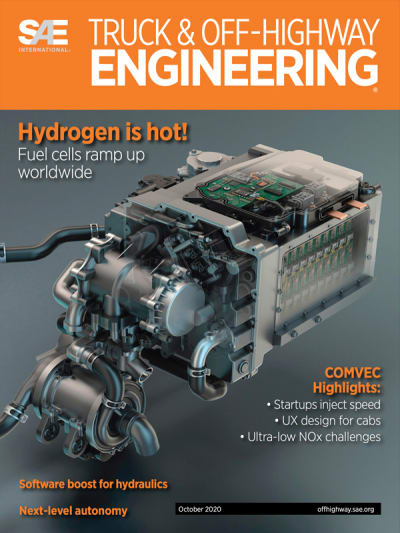
Inside this issue
Overview
The October 2020 issue of Truck & Off-Highway Engineering delves into the evolving landscape of engineering design, particularly in the context of commercial vehicles and off-highway machines. It highlights the necessity for a cultural shift in engineering practices, moving away from traditional methodologies towards more dynamic and adaptable approaches. Chris Brockbank, VP of technology and strategy at Ricardo North America, emphasizes the need for "engineering chefs" who can innovate and iterate designs rapidly, akin to how chefs update their menus. This new mindset prioritizes consumable, adaptable, and upgradeable designs, reflecting the fast-paced nature of modern technology.
The issue also explores the development of electrohydraulic systems, which increasingly rely on software and programming tools. Janosch Fauster, director at TTControl, discusses how the integration of object-oriented design, multithreaded applications, and agile project management models is reshaping this sector, making it appealing to software engineers and computer scientists. The focus on technology's impact on the development process and workforce skills is a recurring theme throughout the issue.
Another significant topic covered is the role of startups in accelerating innovation within the commercial vehicle (CV) industry. The issue features insights from various sessions that highlight how young companies can enhance product development speed while integrating their technologies with those of established Tier 1 suppliers and original equipment manufacturers (OEMs). Stephan Tarnutzer, president of AVL, notes that the primary benefit of collaborating with startups is the increased speed to market, which is crucial in a competitive landscape.
The issue also discusses the support systems available for startups, including university accelerators that provide mentorship, office space, and development tools. These resources allow entrepreneurs to focus on their projects rather than administrative tasks. The case of ClearFlame Engine Technologies is highlighted, showcasing how government grants have been instrumental in helping the startup develop engine technology that enables existing diesel engines to burn low-carbon and carbon-negative fuels. Julie Blumreiter, CTO at ClearFlame, underscores the importance of these grants in bridging the "valley of death" that many startups face.
Additionally, the issue touches on the future of freight delivery, particularly the role of autonomous trucks in "future-proofing" the industry. Startups like Kodiak Robotics are at the forefront of this transformation, indicating a shift towards more automated and efficient logistics solutions.
The editorial section, led by Bill Visnic, sets the tone for the issue by emphasizing the importance of adapting to technological advancements and the changing demands of the market. The magazine aims to provide insights and information that can help industry professionals navigate these changes effectively.
Overall, this issue of Truck & Off-Highway Engineering serves as a comprehensive resource for understanding the current trends and challenges in the engineering and commercial vehicle sectors. It highlights the need for innovation, adaptability, and collaboration between startups and established companies to drive progress and meet the evolving needs of the industry. The discussions around workforce skills, technology integration, and the role of government support further enrich the narrative, making it a valuable read for professionals looking to stay ahead in a rapidly changing environment.
Features
-
Articles
Bits and Bytes Boost Hydraulic System Capabilities
GM Nikola Tie-Up Sparks Worldwide Hydrogen Fuel Cell Interest
Startups Emerge as Accelerators for Commercial-Vehicle Technologies
Regulars
-
Technical Innovations
Electric Actuators Can Benefit Heavy-Duty Diesels
UX Designers and “Engineering Chefs” Cook up Unique User Interfaces
-
Original Equipment
Bollinger Expanding Planned EV Lineup with the Deliver-E Commercial Van
Top Stories
NewsRF & Microwave Electronics
 Microvision Aquires Luminar, Plans Relationship Restoration, Multi-industry Push
INSIDERAerospace
 A Next Generation Helmet System for Navy Pilots
INSIDERDesign
 New Raytheon and Lockheed Martin Agreements Expand Missile Defense Production
INSIDERMaterials
 How Airbus is Using w-DED to 3D Print Larger Titanium Airplane Parts
NewsPower
 Ford Announces 48-Volt Architecture for Future Electric Truck
ArticlesAR/AI

Webcasts
Electronics & Computers
 Cooling a New Generation of Aerospace and Defense Embedded...
Automotive
 Battery Abuse Testing: Pushing to Failure
Power
 A FREE Two-Day Event Dedicated to Connected Mobility
Unmanned Systems
 Quiet, Please: NVH Improvement Opportunities in the Early Design Cycle
Automotive
 Advantages of Smart Power Distribution Unit Design for Automotive &...
Energy
 Sesame Solar's Nanogrid Tech Promises Major Gains in Drone Endurance