




Making Quieter Drone Propellers
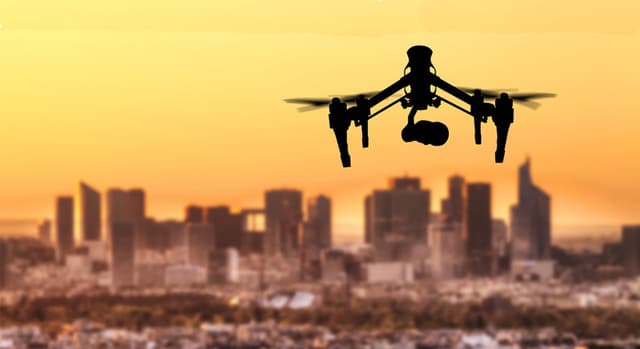
RMIT University aerospace engineers used machine learning to design new drone propellers, then 3D-printed several of the most promising prototypes for experimental acoustic testing. The prototypes produced around 15dB less noise than commercially available propellers.
The results were enabled by two key innovations – the numerical algorithms developed to design the propellers and consideration of how noise is perceived in the human ear – as part of the testing.
More From SAE Media Group
Aerospace INSIDER
Students Engineer a Quieter Future for Drones and Flying Cars

Aerospace INSIDER
Hermeus Rolls Out First Quarterhorse Hypersonic Test Aircraft
Aerospace INSIDER
Sikorsky is Designing a New Hybrid Electric Tilt Wing VTOL Demonstrator
Aerospace Manufacturing and Machining INSIDER
Small Low-Cost Engines for Drones and Collaborative Combat Aircraft
Aerospace INSIDER
Airbus Preparing to Fly New Prototype eVTOL This Year
Aerospace & Defense Tech Briefs
New Research on Noise Reduction for Next Generation Aircraft Engines
Aerospace INSIDER
Embraer Subsidiary Shows First Full-Scale eVTOL Prototype
Tech Briefs
AUVSI XPONENTIAL 2019: A Real Thrill Ride

Aerospace & Defense Tech Briefs
Small UAV Satcom System
Aerospace INSIDER
Hydraulic Propulsion an Alternative to Drone Batteries
Tech Briefs
How Jet Engine Flow Can Be Controlled Optically

Aerospace & Defense Tech Briefs
Microturbine Propulsion for UAVs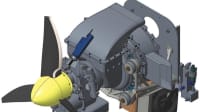
Tech Briefs
AUVSI XPONENTIAL 2019: A Flying Sea Glider

Aerospace INSIDER
Reliable Robotics to Provide Aircraft Automation Study for US Air Force
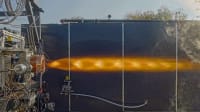
Aerospace & Defense Tech Briefs
SAE International Issues, Revises Technical Reports for Aerospace Engineering
Aerospace INSIDER
Delta Air Lines, JetZero to Design Commercial Blended Wing Body Airliner
Tech Briefs
Anti-Phase Noise Suppression Rotor Technologies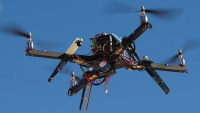
Aerospace INSIDER
Sweden Taps GKN, Saab to Design Concepts for Future Fighter Jet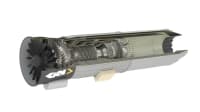
Aerospace INSIDER
Honeywell Develops Cooling System Upgrade for F-35 Engine
Aerospace INSIDER
NASA, GE Complete Historic Hybrid-Electric Propulsion Tests
Aerospace & Defense Tech Briefs
Hybrid Electric Aircraft Demonstrator
Aerospace INSIDER
Soft Magnetic Materials Are Key to Electric Aircraft
Aerospace INSIDER
Archer Aviation Completes Midnight eVTOL Transition Flight Milestone
Top Stories
INSIDERManufacturing & Prototyping
 How Airbus is Using w-DED to 3D Print Larger Titanium Airplane Parts
INSIDERManned Systems
 FAA to Replace Aging Network of Ground-Based Radars
NewsTransportation
 CES 2026: Bosch is Ready to Bring AI to Your (Likely ICE-powered) Vehicle
NewsSoftware
 Accelerating Down the Road to Autonomy
EditorialDesign
 DarkSky One Wants to Make the World a Darker Place
INSIDERMaterials
 Can This Self-Healing Composite Make Airplane and Spacecraft Components Last...
Webcasts
Defense
 How Sift's Unified Observability Platform Accelerates Drone Innovation
Automotive
 E/E Architecture Redefined: Building Smarter, Safer, and Scalable...
Power
 Hydrogen Engines Are Heating Up for Heavy Duty
Electronics & Computers
 Advantages of Smart Power Distribution Unit Design for Automotive...
Unmanned Systems
 Quiet, Please: NVH Improvement Opportunities in the Early Design...
