




Aurora Flight Sciences, Stratasys Debut at Dubai Jet-Powered, 3D Printed UAV
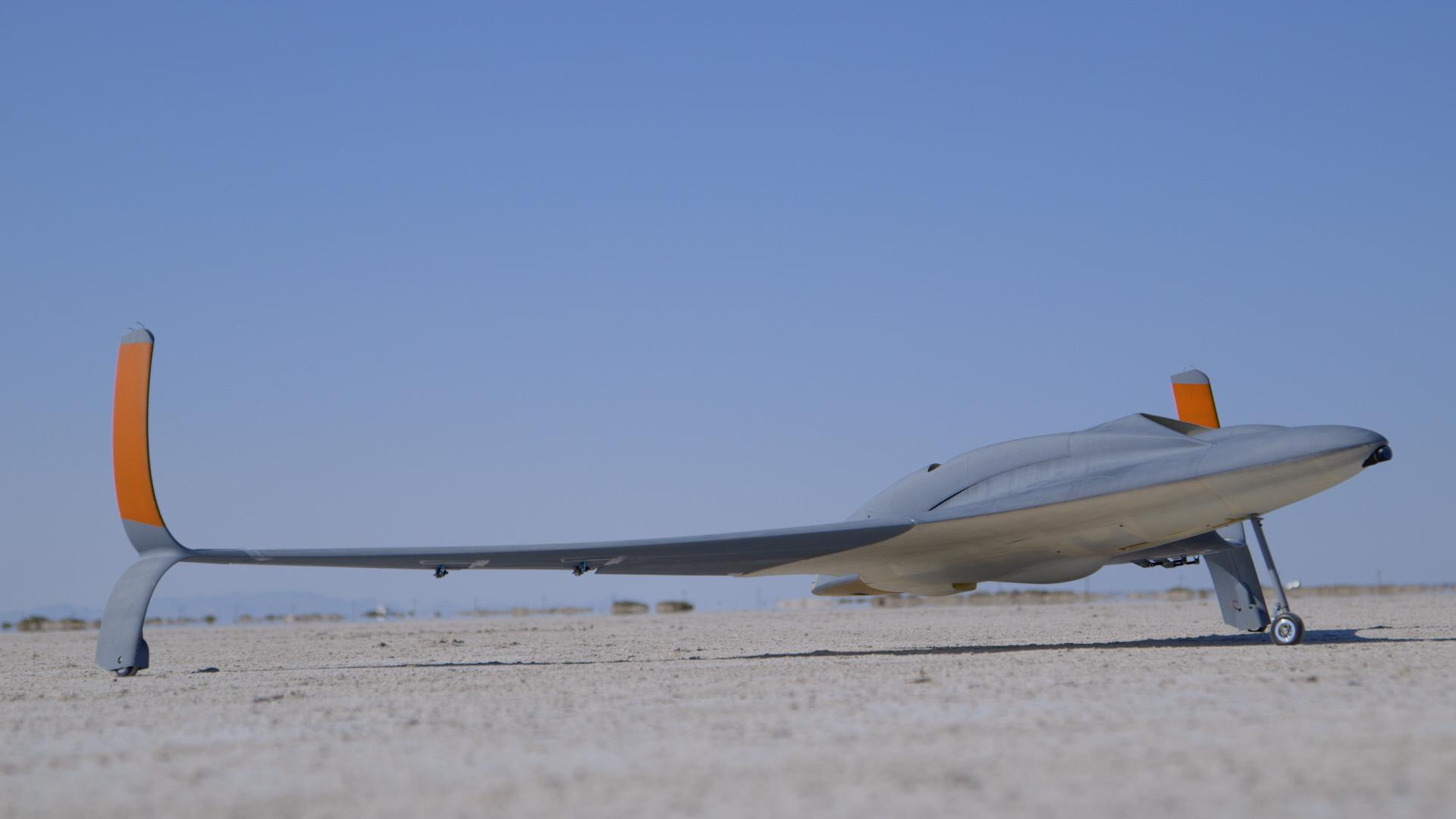
Stratasys and Aurora Flight Sciences unveiled at this week’s Dubai Airshow an aircraft built using lightweight Stratasys materials to achieve speeds in excess of 150 mph. The team leveraged 3D printing for 80% of the design and manufacture of the demonstration UAV, which has a 9-ft wingspan and a mass of just only 33 lb.
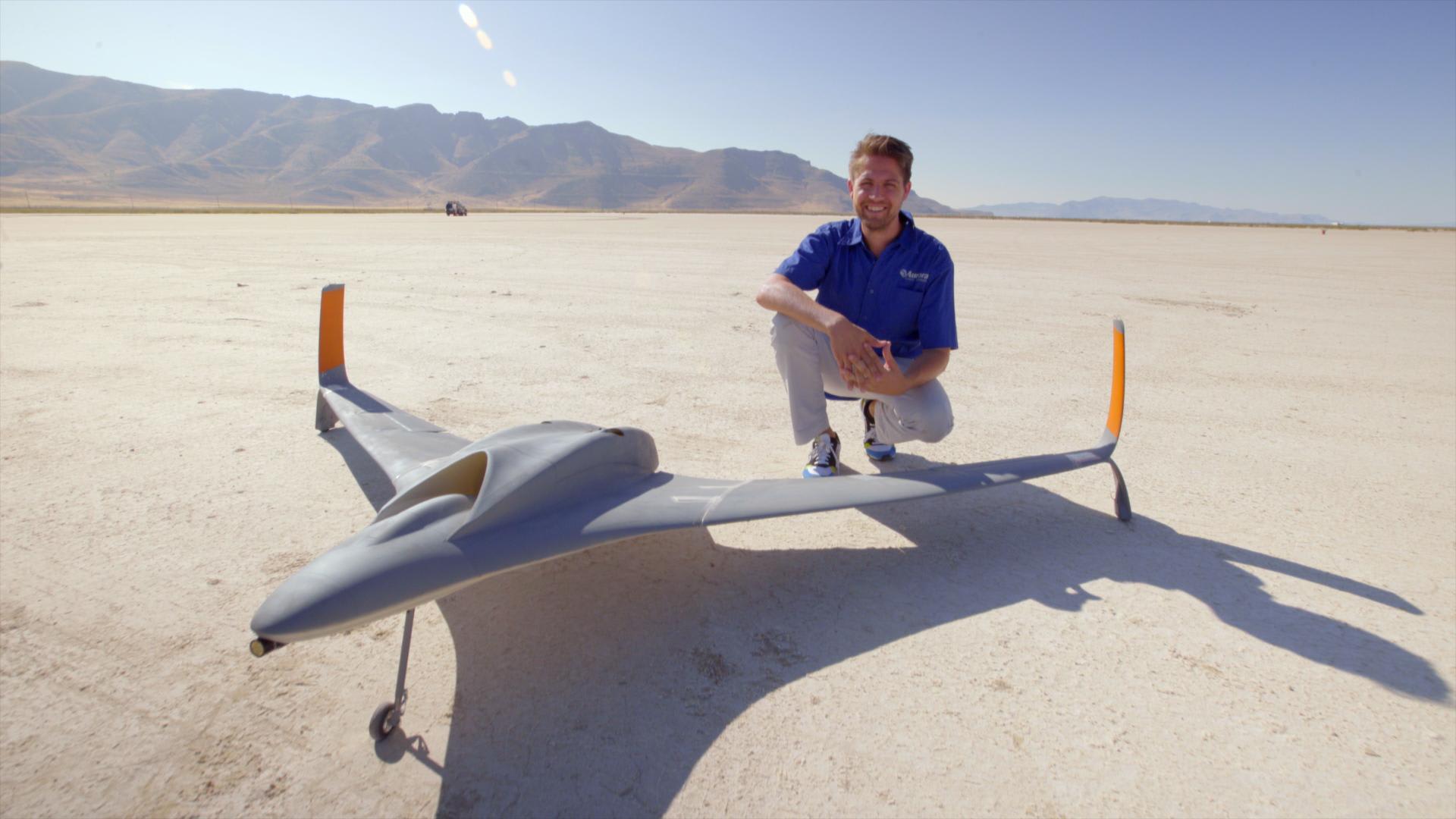
According to Dan Campbell, Aerospace Research Engineer at Aurora Flight Sciences, the project achieved various targets. “A primary goal for us was to show the aerospace industry just how quickly you can go from designing to building to flying a 3D printed jet-powered aircraft. To the best of our knowledge, this is the largest, fastest, and most complex 3D printed UAV ever produced.”
Stratasys provided Aurora design-optimization solutions to produce a stiff, lightweight structure without the common restrictions of traditional manufacturing methods. This also enabled the development of a customized, mission-specific vehicle without the cost constraints of low-volume production.

“Overall, the technology saw us cut the design and build time of the aircraft by 50%,” added Campbell.
“This meant using different 3D printing materials and technologies together on one aircraft to maximize the benefits of additive manufacturing and 3D print both lightweight and capable structural components,” said Scott Sevcik, Aerospace & Defense Senior Business Development Manager, Vertical Solutions at Stratasys.
According to Sevcik, the project “exemplifies the power” of Stratasys’ fused-deposition modeling (FDM) 3D printing technology, allowing the team “to build a completely enclosed, hollow structure that, unlike other manufacturing methods, allows large, yet less dense, objects to be produced.”
Besides leveraging FDM materials for all large and structural elements, Stratasys chose to laser sinter the nylon fuel tank, and the UAV's thrust vectoring exhaust nozzle was 3D printed in metal to withstand the extreme heat at the engine nozzle.
“Because Stratasys is able to produce parts that meet the flame, smoke, and toxicity requirements set by the FAA, ULTEM has become the 3D printing material of choice for many of our aerospace customers for final production applications,” said Sevcik.
Sevcik stressed that this particular collaborative project with Aurora achieved one of the foremost overall goals across the aerospace industry, not to mention many other industries, which is the need to constantly reduce weight.
No matter where they are being used, “lightweight vehicles use less fuel. This enables companies to lower operational costs, as well as reduce environmental impact. Using only the exact material needed for production is expected to reduce acquisition cost by eliminating waste and reducing scrap and recycling costs,” he said.
More From SAE Media Group
Aerospace & Defense Tech Briefs
Rolls-Royce to Work with Airframe Manufacturers, Seek Partners for EVTOL Project
Aerospace INSIDER
New Web-Based Software Enables Quick Drone Design
Aerospace & Defense Tech Briefs
Lockheed Martin Brings Fury Closer to Mission Readiness
Aerospace & Defense Tech Briefs
ANSYS Will Help Airbus Develop AI-Enabled Flight Controls for the FCAS Program’s Autonomous Wingmen
Aerospace & Defense Tech Briefs
Sensuron Enables Real-Time Structural Health Monitoring Onboard NASA’s X-56 UAV
Aerospace & Defense Tech Briefs
Textron Systems, Textron Aviation Defense Demonstrate Simulated Manned-Unmanned Teaming Capability
Aerospace & Defense Tech Briefs
MagniX and AeroTEC to Fly All-Electric ECaravan May 28
Aerospace & Defense Tech Briefs
SAE International Issues, Revises Technical Reports for Aerospace Engineering
Aerospace & Defense Tech Briefs
Lockheed Martin and Arconic Collaborate on 3D Printing and Advanced Aerospace Materials
Aerospace INSIDER
Production Ready B-21 Bomber on Track for First Flight This Year
Aerospace & Defense Tech Briefs
Personal Air Transport Drives Need for Advanced VTOL Technologies, Standards
Aerospace & Defense Tech Briefs
SAE International Launches Aerospace Technology Symposium at Japan Aerospace 2018
Aerospace & Defense Tech Briefs
Boeing Debuts First Hypersonic Passenger Aircraft Concept
Aerospace Manufacturing and Machining
Lightweighting Parts Using 3D Metal Printing
Aerospace & Defense Tech Briefs
Aerion Taps Siemens’ Xcelerator Portfolio to Enable Next-Generation Global Transportation Networks
Aerospace & Defense Tech Briefs
NVision Aids Aircraft Repair Station in Quickly Obtaining FAA Approval
Aerospace & Defense Tech Briefs
Promise for an Electric Propulsion Aircraft Future
Aerospace & Defense Tech Briefs
Rolls-Royce Optimizes Maintenance, Service, Product Development with IFS Maintenix, Real-Time Data
Aerospace & Defense Tech Briefs
Boeing and NASA Unveil Lightweight, Ultra-Thin, More Aerodynamic Transonic Truss-Braced Wing Concept
Aerospace & Defense Tech Briefs
Bell Nexus Full-Scale Air Taxi Design Debuts, Taps Novel VTOL, Hybrid Propulsion, Energy Storage, and Avionics Technologies
Aerospace INSIDER
4D Composite Printing Can Improve Drone Wings
Aerospace & Defense Tech Briefs
Additive Manufacturing, Virtual Reality Add to Aerospace Design Repertoire
Aerospace & Defense Tech Briefs
GKN Aerospace, COMAC, and AVIC to Manufacture Advanced Aerostructures
Aerospace & Defense Tech Briefs
Air Mobility Innovations Take Center Stage at Aerospace Systems and Technology Conference
Aerospace & Defense Tech Briefs
NASA and AeroVironment Are Building a Helicopter for Mars
Aerospace & Defense Tech Briefs
Additive Manufacturing Today, Growing Airplanes, Literally, Tomorrow?
Aerospace & Defense Tech Briefs
Aerion AS2 Supersonic Bizjet on Track for Trans-Atlantic Crossing in 2023
Aerospace & Defense Tech Briefs
2050 Aircraft Engine Designs Go Radical, Part 1
Aerospace & Defense Tech Briefs
Software for Additive Design, Manufacturing Evolves Quickly
Aerospace & Defense Tech Briefs
SES to Outfit Sikorsky UH-60A Black Hawk Helicopters with Unitech Composites Weapons Pylons
Top Stories
INSIDERManufacturing & Prototyping
 How Airbus is Using w-DED to 3D Print Larger Titanium Airplane Parts
INSIDERManned Systems
 FAA to Replace Aging Network of Ground-Based Radars
NewsTransportation
 CES 2026: Bosch is Ready to Bring AI to Your (Likely ICE-powered) Vehicle
NewsSoftware
 Accelerating Down the Road to Autonomy
EditorialDesign
 DarkSky One Wants to Make the World a Darker Place
INSIDERMaterials
 Can This Self-Healing Composite Make Airplane and Spacecraft Components Last...
Webcasts
Defense
 How Sift's Unified Observability Platform Accelerates Drone Innovation
Automotive
 E/E Architecture Redefined: Building Smarter, Safer, and Scalable...
Power
 Hydrogen Engines Are Heating Up for Heavy Duty
Electronics & Computers
 Advantages of Smart Power Distribution Unit Design for Automotive...
Unmanned Systems
 Quiet, Please: NVH Improvement Opportunities in the Early Design...
