




White PaperManufacturing & Prototyping
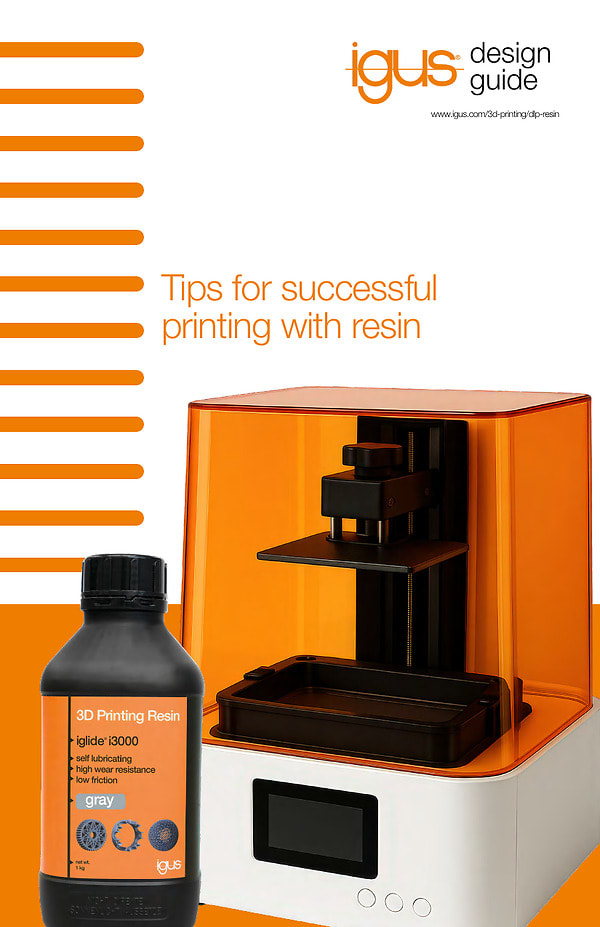
Tips for Successful Printing with Resin
SPONSORED BY: ![]()

DLP 3D printing, while quick and effective, is difficult to get exactly right. Any number of factors, from moisture and heat levels to print thickness and curing time can all cause a print to go wrong. Read this design guide to not only learn how to avoid these mistakes, but also some key tips and tricks for more effective DLP printing.
Don't have an account?
Overview
This white paper serves as a comprehensive guide for successful resin 3D printing, offering practical tips and addressing common challenges faced by users. It begins with essential maintenance practices, emphasizing the importance of regular cleaning to ensure consistent printing results and prolong the printer's lifespan. Key maintenance tasks include removing resin residue from the FEP film, cleaning the print bed, and checking moving parts like the Z-axis for wear.
The document highlights the significance of working in a well-ventilated area due to the potentially harmful resin vapors. It suggests using air purifiers and ensuring continuous air circulation to mitigate odors and vapors effectively.
In the frequently asked questions section, the paper addresses various topics, including the differences between DLP, LCD, and SLA printing technologies, proper resin storage, and the safe disposal of excess or out-of-date resin. It provides guidance on how to improve detail accuracy in prints by adjusting layer height and optimizing exposure times, as well as techniques to avoid bubble formation in resin.
The guide also discusses the compatibility of mixing different resins, advising users to only mix resins from the same manufacturer and to test small quantities first. Additionally, it offers solutions for common issues such as distorted details, which can arise from overexposure or incorrect layer thickness, and provides strategies for extending the service life of the FEP film.
Finally, the document recommends suitable software for slicing resin 3D models, including ChiTuBox, Lychee Slicer, and PrusaSlicer, catering to various user needs. Overall, this white paper is a valuable resource for both novice and experienced resin 3D printing enthusiasts, equipping them with the knowledge to enhance their printing experience and achieve high-quality results.